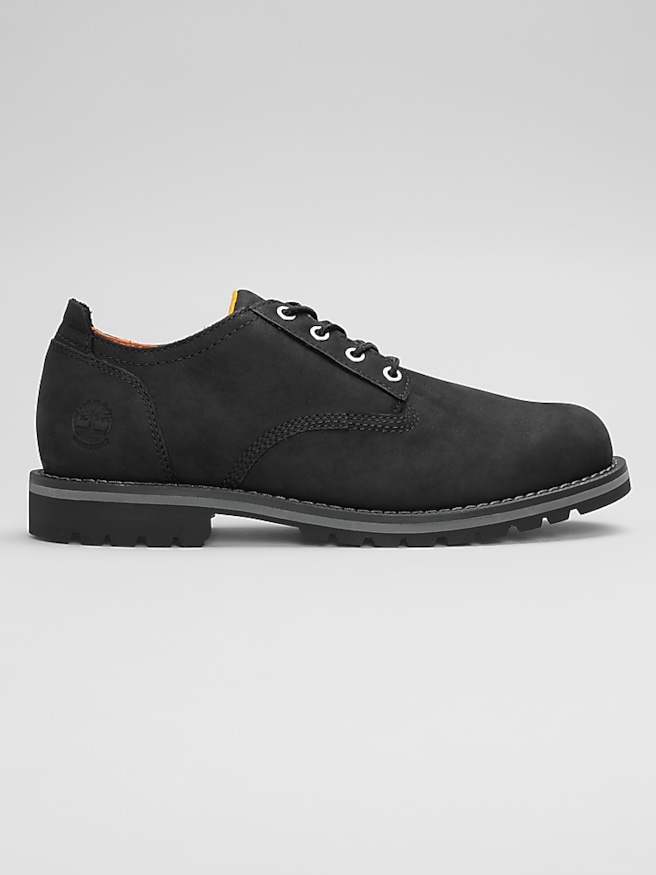
Fall leather shoes bring rich color, substantial texture, and a polished finish to everyday dressing. Leather oxfords, derbies, loafers, and ankle boots suit the season particularly well, with silhouettes that range from sleek and understated to more relaxed and substantial. Espresso brown, cognac, burgundy, and black work naturally with fall fabrics such as wool, corduroy, brushed cotton, and heavier denim. Smooth leather offers a clean surface that complements tailored clothing, while pebbled leather adds visual depth without relying on extra decoration. Suede has a softer, matte appearance that pairs especially well with textured trousers and casual jackets, although it needs more protection from moisture than many smooth leather finishes. Shape matters as much as color: an almond toe creates a refined outline, while a rounded toe and a more substantial sole give a shoe a grounded, casual character. Neither needs to look exaggerated to make an impression. Brown leather derbies beneath charcoal trousers can carry an outfit from a morning meeting to dinner, while dark loafers lend structure to chinos and a fine-gauge sweater. Lace-up ankle boots offer another approach, balancing the weight of denim or corduroy without making the outfit feel overly rugged. For a fall wedding or an evening event, a smooth leather oxford generally complements a suit more naturally than a heavily treaded boot. Decorative perforations, often called broguing, add texture and tend to make dress shoes feel less formal than comparable plain designs. A restrained cap toe creates definition without drawing attention away from the rest of the outfit. The strongest combinations usually share a sense of proportion: slim trousers work well with streamlined footwear, while fuller trouser legs can accommodate a broader shoe or thicker sole. Coordinating the general tone of a leather belt with the shoes helps finish the look, but the colors do not need to match perfectly. The result feels considered rather than overly coordinated, whether the occasion calls for a suit, a sport coat, or a simple knit layered over an open-collar shirt.
The character of fall leather shoes depends on more than their surface appearance. Leather quality, lining, sole construction, and fit all influence how a pair feels through a full day. Full-grain leather retains the hide’s natural surface and can develop a distinctive patina with appropriate care, while other leather finishes may offer a smoother, more uniform appearance. Thickness and stiffness vary, so a substantial upper is not automatically more comfortable or better suited to every setting. Leather linings can help manage moisture, and cushioning or a supportive footbed may be especially valuable for someone whose day includes standing at a reception, walking between buildings, or commuting on foot. A leather outsole offers a traditional dress profile, while rubber outsoles can provide more grip and cushioning, depending on their compound and tread. Low-profile rubber can preserve a refined silhouette; deeper tread creates a more casual look and may be useful on uneven ground. No outsole makes every wet surface secure, and polished stone, fallen leaves, and slick pavement still call for care. Welted construction may allow resoling when the shoe’s design and condition support it, though repairability varies. Fit deserves equal attention because leather can soften with wear, but an uncomfortable shoe should not depend on stretching to become wearable. Toes need room to rest naturally without striking the front, the widest part of the foot should align comfortably with the shoe’s forefoot, and the heel should feel secure without rubbing. Laces allow some adjustment across the instep, while loafers depend more heavily on a close match between the shoe’s shape and the foot. The socks worn with the shoes also affect the fit; a thicker wool-blend pair can make a noticeable difference compared with thin dress socks. For longer days, a modest heel, stable sole, and comfortable flex at the ball of the foot often matter more than an especially soft first impression. Those details help distinguish footwear suited to an occasional formal event from a pair intended for frequent office wear.
Thoughtful care helps leather footwear retain its shape, finish, and usefulness across repeated wear. Surface dirt is easier to manage before it settles into creases or stitching, and the appropriate cleaning method depends on the material. Smooth leather generally benefits from gentle brushing or wiping with a slightly damp cloth, followed by drying away from direct heat. A conditioner intended for the particular leather can help maintain suppleness, while a compatible cream or polish can refresh color and improve the finish. More is not necessarily better: heavy applications may leave buildup, and any unfamiliar treatment deserves a discreet spot test. Suede needs its own brush and suitable cleaning products rather than ordinary shoe polish. Protective treatments can reduce moisture absorption on compatible materials, but treated leather should not be assumed waterproof. After exposure to rain, shoes benefit from drying at room temperature, with removable insoles taken out when practical and absorbent paper used to help draw moisture from the interior. Cedar shoe trees can help maintain shape once excess moisture has dissipated. Giving footwear time to dry between wears also supports comfort and helps keep the lining fresh. Salt residue warrants prompt attention with a cleaning method approved for the leather, since aggressive scrubbing or household mixtures can damage some finishes. Where fall dressing extends into colder conditions, Winter Leather Shoes provides a related footwear category to consider alongside the need for appropriate traction, coverage, and weather protection. Dress shoes are not substitutes for footwear designed for deep snow or icy surfaces. For gifting, leather shoes make the most sense when the recipient’s size, preferred fit, and usual wardrobe are well understood. Someone who regularly wears suits may appreciate a refined lace-up shape, while a person who favors denim and casual tailoring may get more use from a versatile derby or ankle boot. Color preference matters, too: dark brown can bridge tailored and relaxed outfits, black has a crisp formal presence, and cognac brings a warmer contrast to navy or charcoal. Well-chosen fall leather shoes earn their place through that combination of useful styling, dependable comfort, and care that keeps them looking like part of a considered wardrobe.