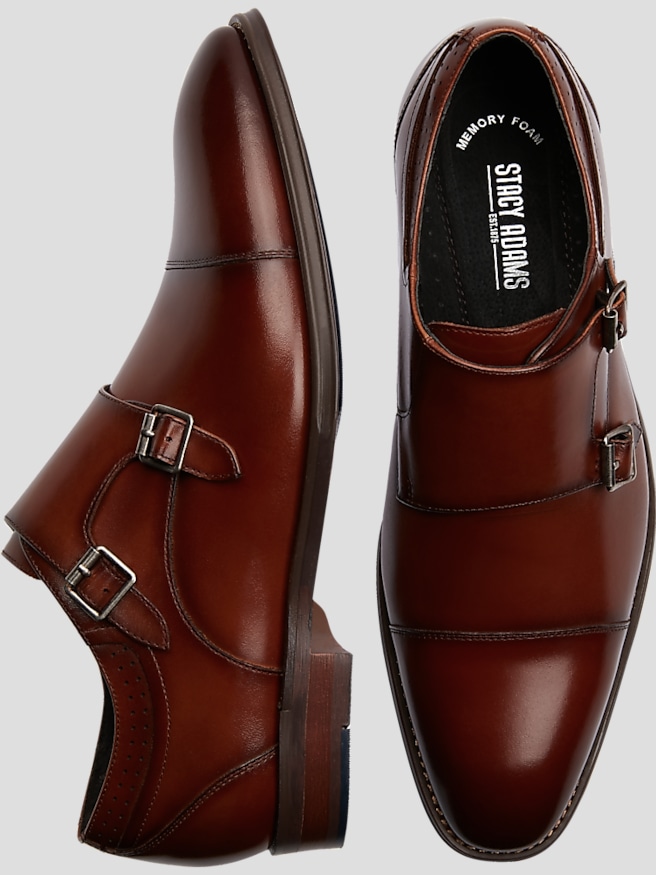
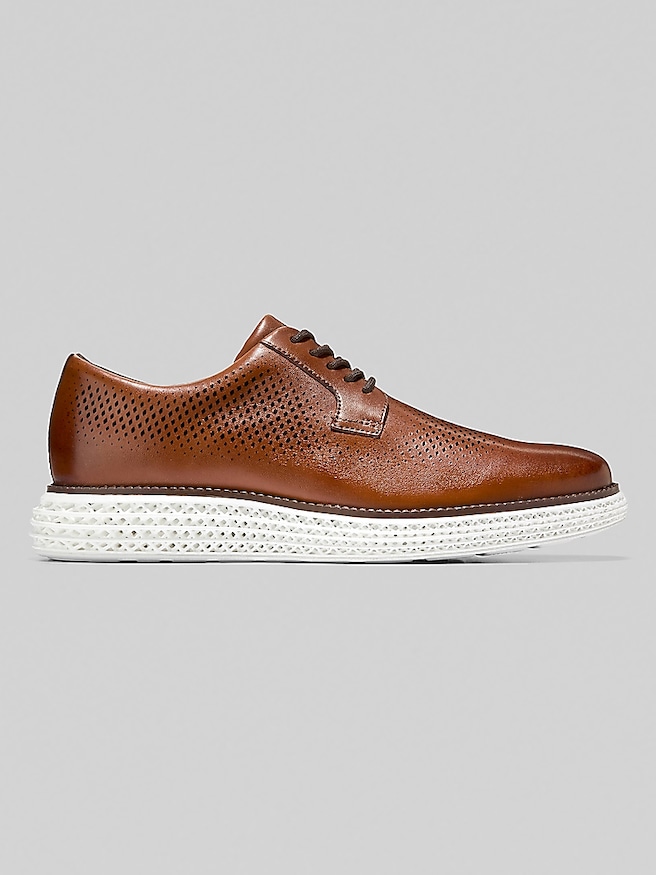
Leather dress shoes bring a finished look to tailored clothing through structured shapes, refined detailing, and leather uppers that can develop character with regular wear. They suit a wide range of occasions, from a job interview in a navy suit to a wedding reception, an important presentation, or dinner with a tailored jacket and trousers. The shape and detailing help determine how formal a pair feels. Oxford shoes have closed lacing, with the eyelet sections attached beneath the front of the upper, creating a clean profile that works especially well with suits. Derby shoes have open lacing, with the eyelet sections attached over the upper, giving them a slightly more relaxed appearance and often more adjustment across the instep. Leather loafers offer a slip-on alternative for tailored separates and less formal offices, while monk straps use buckles in place of laces for a distinctive finish. A plain toe keeps the focus on the leather and silhouette; a cap toe adds a defined seam across the front. Broguing, the decorative perforations found on some dress shoes, introduces texture and generally makes a style feel less formal than a comparable unadorned design. Color also changes the effect. Black leather provides a crisp foundation for charcoal suits and formal business clothing, while brown shades pair naturally with navy, gray, olive, and tan. A deeper brown can feel restrained enough for a client meeting, while lighter brown emphasizes the shoe’s stitching and contours. The Leather Brown Shoes category offers a color direction for wardrobes built around blue tailoring and neutral trousers. For black-tie occasions, sleek black footwear is the conventional choice, with patent leather offering a glossy finish. Matching the shoe’s level of formality to the outfit matters more than adding decorative details: a simple, well-maintained pair can look more considered than an elaborate design that competes with the rest of the clothing.
The leather, lining, sole, and construction all contribute to how dress shoes feel and how they hold up. Full-grain leather retains the hide’s natural grain surface and can show subtle variations that become part of its appearance over time. Top-grain leather has had its surface refined, while corrected-grain leather is typically treated to create a more uniform look. These terms describe aspects of the material, but they do not tell the whole story; tanning, finishing, leather thickness, and workmanship also influence flexibility and durability. Smooth leather creates a traditional dress appearance and usually responds well to suitable cream or polish. Pebbled leather adds visible texture, while suede has a soft, napped surface that feels more relaxed and requires care products intended for that finish. Inside the shoe, a smooth lining, a well-shaped heel, and cushioning beneath the foot can make a meaningful difference during a long meeting or an evening spent standing and dancing. A leather outsole offers a traditional appearance and can feel flexible after wear, though smooth leather soles may provide limited traction on slick surfaces. Rubber outsoles or discreet rubber inserts can add grip and cushioning without necessarily making the shoe look bulky. Construction affects maintenance options as well. Goodyear-welted shoes are generally designed to allow sole replacement, and many Blake-stitched shoes can also be resoled by a suitably equipped cobbler. Cemented construction bonds the sole to the upper and may offer a lighter, flexible feel, though repair options depend on the design. No single construction method guarantees comfort or longevity. Neat stitching, secure sole attachment, an even finish, and a shape that supports the foot are useful considerations alongside the material description. For someone who wears dress shoes several days a week, the combination of a comfortable fit and repairable construction may matter more than an especially sleek outline.
Fit is what turns an attractive leather dress shoe into a pair that earns regular use. The foot should sit securely through the heel and midfoot, with enough room for the toes to rest naturally rather than press against the sides or front. Some extra space beyond the toes is normal in an elongated dress-shoe shape; sliding inside the shoe is not. Leather uppers may soften and accommodate the foot with wear, but shoes that pinch, compress the toes, or cause sharp pressure should not be expected to become the correct size through a break-in period. Width and instep volume matter as much as length. A higher instep may feel more comfortable with the adjustment of open lacing, while a slip-on style depends on a particularly secure fit because there are no laces to tighten. Trying dress shoes with the socks intended for the occasion gives a more useful sense of fit than testing them with thick athletic socks. Walking across a room also reveals heel movement and pressure points that may not be noticeable while seated. For a graduation gift, a milestone birthday, or a first professional wardrobe, knowing the recipient’s size, width, and usual dress requirements helps make the choice personal and practical. Once in use, regular care helps preserve the leather’s appearance and flexibility. Dust and grit can be removed with a soft brush or cloth before applying a product appropriate to the finish. Smooth leather may benefit from occasional conditioning, while cream polish can refresh color and wax polish can add shine, particularly at the toe and heel. Suede and patent leather need their own suitable cleaning methods rather than standard leather polish. Cedar shoe trees help maintain shape and absorb some residual moisture between wears, and a shoehorn reduces stress on the heel when putting shoes on. Letting a pair rest between outings allows the interior to dry naturally. Attention to worn heel edges, loose stitching, and thinning soles can also make repairs possible before damage spreads, helping leather dress shoes remain a dependable part of a tailored wardrobe.