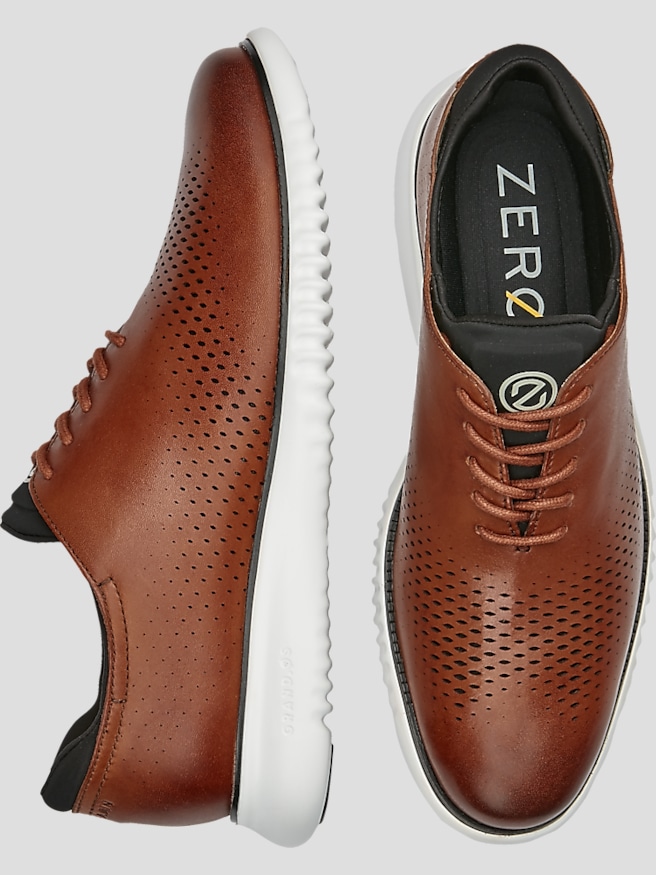
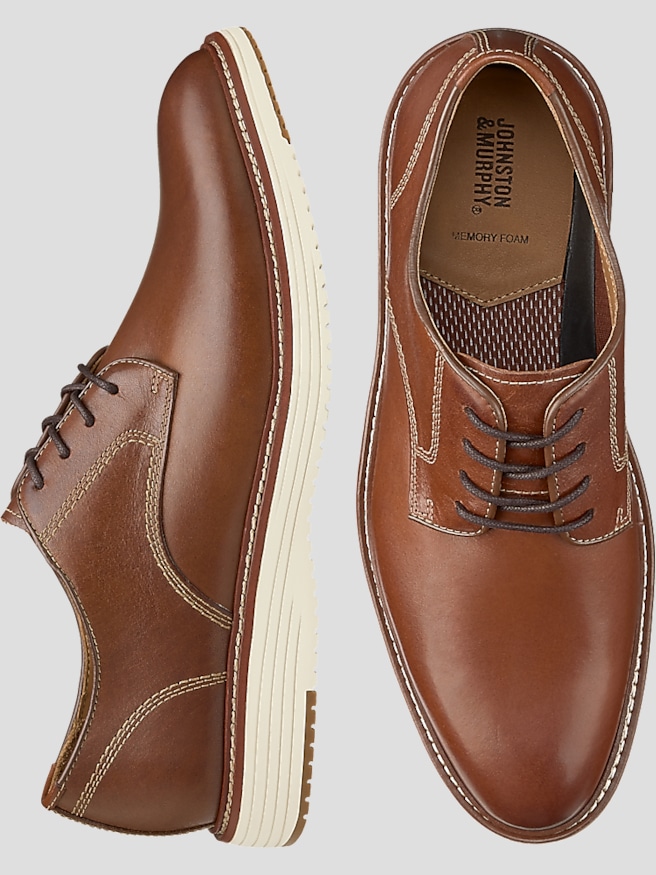
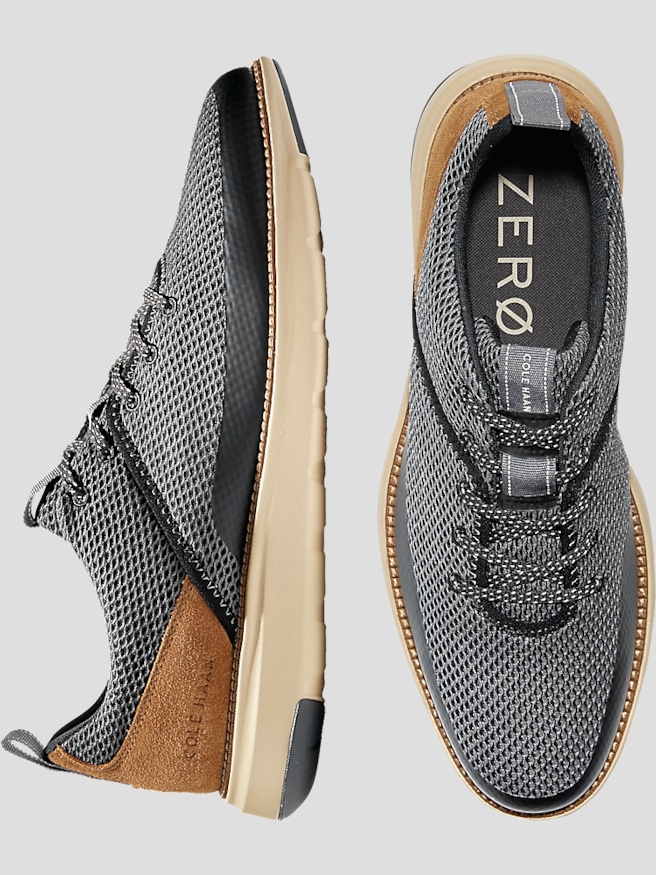
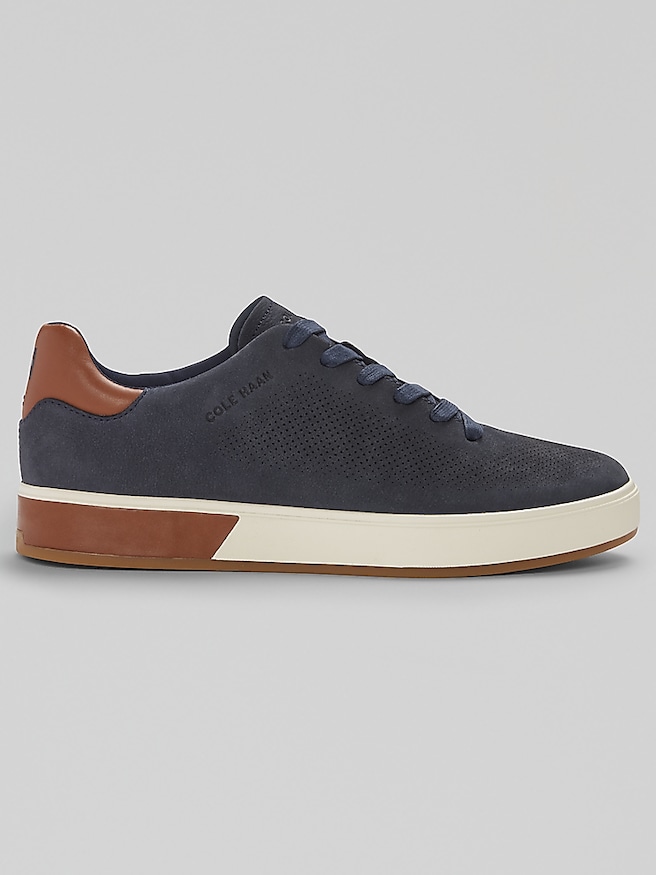
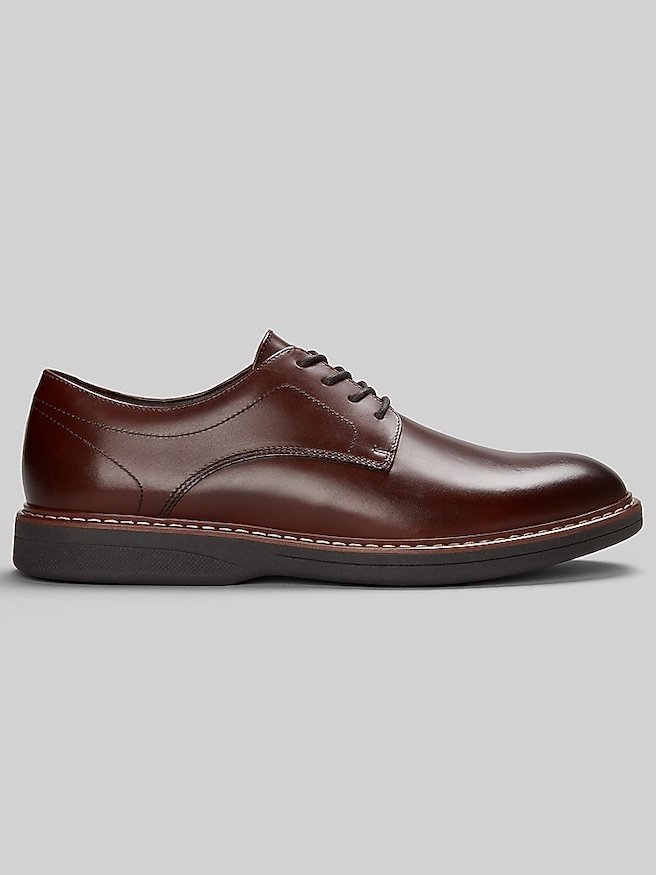
Designer sneakers bring a distinct design point of view to casual footwear through their shape, materials, proportions, and finishing details. Some take a restrained approach, with smooth leather uppers, tonal stitching, and a slim rubber sole; others make their impression through layered panels, textured fabrics, exaggerated profiles, or contrasting colors. The category spans minimalist court-inspired silhouettes, retro athletic shapes, high-tops, and sculptural styles, giving men room to express personal taste without abandoning the familiarity of a lace-up shoe. Their appeal often lies in the details visible up close: the curve of a heel panel, the texture of a suede overlay, or the way a neatly finished tongue sits beneath the laces. Leather can lend a crisp, structured appearance and gradually develop creases that reflect regular wear. Suede introduces a softer, matte texture, while canvas, knit, and mesh can create a more relaxed or athletic impression. Mixed-material designs add depth, though each component may require its own cleaning approach. No single material automatically makes a sneaker more comfortable or durable; lining, stitching, sole construction, and fit all contribute to how it feels and holds up. For everyday outfits, a low-profile pair in white, black, navy, or another understated shade can sit comfortably alongside chinos, dark denim, and tailored trousers. A more substantial sole gives visual weight to straight-leg pants, while contrasting panels can become the focal point of an otherwise simple outfit. Trouser length matters, too: a clean break above the shoe lets its proportions show, whereas excess fabric can obscure a carefully shaped upper. Within the broader category of designer shoes, sneakers offer an especially relaxed option for settings where traditional lace-ups would feel too formal. Their versatility comes from matching the character of the shoe to the outfit, rather than assuming every sneaker works with every kind of tailoring. A streamlined leather silhouette can complement an unstructured jacket and knit polo, while an expressive, athletic-inspired shape may feel more natural with a heavyweight T-shirt and relaxed trousers.
The best-fitting designer sneakers feel secure without relying on tightly pulled laces to hold the foot in place. There should be room for toes to rest naturally, with no persistent pressure across the widest part of the foot or along the little toe. The heel should stay reasonably steady during a normal stride, and the collar should not dig into the ankle. A sleek-looking shape can fit quite narrowly, while a bulky exterior does not necessarily mean the interior is roomy. Sizing can also vary between designs, making foot measurements and the shape of a familiar, comfortable shoe more useful than the size number alone. Trying sneakers with the socks intended for regular wear gives a more realistic sense of fit; thin dress socks and cushioned athletic socks can change how the same shoe feels. Anyone who uses an orthotic may need sufficient interior depth and a removable footbed, where the construction permits one. Cushioning, flexibility, and support deserve separate attention. A soft step-in feel can be pleasant, but comfort over several hours also depends on how securely the shoe holds the foot and where the sole bends. Leather may soften with use, yet break-in should not be expected to solve cramped toes or painful pressure points. Intended use helps distinguish an appealing design from an appropriate everyday choice. Fashion-focused sneakers can suit a casual office, dinner out, a museum visit, or a day of errands, but an athletic appearance does not establish suitability for running, court sports, or intensive training. Long stretches on foot call for attention to underfoot comfort, traction, and shoe weight rather than appearance alone. Office dress codes also vary: understated sneakers may work well with business-casual clothing, while more formal workplaces and events may call for traditional dress shoes. For a commute followed by a relaxed dinner, clean uppers, restrained detailing, and comfortable proportions can help one pair feel at home in both settings. High-tops add more coverage around the ankle, though that coverage should not be confused with specialized athletic support.
Care plays a meaningful role in preserving the appearance of designer sneakers, especially when a design combines pale rubber, textured panels, and smooth leather. Regular, light cleaning is generally easier on the shoe than allowing dirt to build up and then scrubbing aggressively. Manufacturer care directions should take priority, since finishes, dyes, adhesives, and decorative details can react differently to moisture and cleaning products. Smooth leather often benefits from a gentle wipe with a soft cloth and an appropriate cleaner, while suede typically needs a dedicated brush used with a light touch. Mesh and knit require care around the fibers so that cleaning does not snag or roughen the surface. Any treatment should first be tested on a small, inconspicuous area, particularly on light colors or contrasting panels. Full immersion and machine washing are not safe assumptions for mixed-material footwear. After cleaning, allowing shoes to dry naturally away from direct heat helps protect their shape and components. Removing surface dirt from soles and cleaning laces according to their material can make a noticeable difference without excessive handling of the upper. Between wears, loosening the laces before taking shoes off reduces strain on the heel, and a shoehorn can help keep the back from collapsing when putting them on. Giving pairs time to air out and storing them away from prolonged direct sunlight also supports routine upkeep. Durability depends on the whole construction, not simply a designer designation: secure stitching, neatly bonded edges, a resilient outsole, and reinforcement at high-contact areas are useful qualities to consider. Some creasing and outsole wear are normal, while persistent heel dragging or pressure along one edge may shorten a shoe’s useful life. As a gift, designer sneakers can suit a partner, parent, graduate, or friend who enjoys thoughtful wardrobe details, provided sizing and personal preferences are well understood. A recipient who wears simple neutrals may appreciate a restrained silhouette more than a dramatic statement shape. Familiarity with the person’s usual fit, preferred materials, and daily routine helps make the choice feel personal—and more likely to become part of regular rotation.