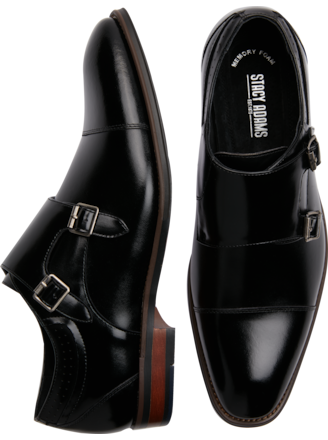
Designer shoes bring a distinctive point of view to footwear through shape, proportion, materials, and finishing details. For men, that can mean a sleek lace-up with a carefully tapered toe, a loafer with subtle stitching, or a streamlined sneaker that complements tailored casual clothing. The designer designation reflects a design identity rather than a single type of shoe or a universal standard of construction. What distinguishes a pair in daily wear is how its appearance, feel, and craftsmanship work together. A smooth leather upper and restrained detailing create a different impression from textured suede, prominent seams, or a substantial sole. Those differences help footwear suit the setting: understated lace-ups complement business suits, loafers bridge the space between tailoring and casual separates, and refined sneakers pair naturally with chinos or dark denim where the dress code allows. Toe shape also affects the overall look. A gently rounded profile feels versatile, while an elongated silhouette adds a sharper line beneath a trouser hem. Black leather provides a crisp foundation for charcoal and navy tailoring, while brown shades introduce depth alongside blue, gray, and earth-toned clothing. Texture can be just as expressive as color; softly brushed suede gives an outfit a relaxed character, while polished leather keeps the effect more formal. For weddings, evening receptions, and other dressed-up occasions, the invitation and level of formality help determine the appropriate finish. Patent leather is associated with traditional formalwear, while a restrained smooth-leather lace-up works across many suit-based occasions. The more formal end of designer footwear shares much with Luxury Dress Shoes, where elegant proportions, thoughtful finishing, and compatibility with tailoring matter. Shoes do not need elaborate ornamentation to make an impression. A clean outline, neatly finished edges, and a shape that balances the rest of an outfit can be equally distinctive, especially when the trouser length allows the footwear to sit clearly beneath the hem.
Materials and construction influence how designer shoes feel, develop character, and hold up to repeated wear. Full-grain leather retains the hide’s natural surface and can develop a patina with appropriate care, although its performance also depends on tanning, thickness, and finishing. Suede has a soft, textured appearance that works especially well with less formal tailoring and casual trousers, but it needs care suited to its nap rather than the creams used on smooth leather. Patent finishes provide a glossy surface with their own cleaning requirements. Textile panels and mixed-material uppers can introduce flexibility or visual contrast, with maintenance determined by each component. Inside the shoe, lining materials, seam placement, cushioning, and the shape of the footbed all affect comfort. A soft first impression is useful, but it does not replace a secure fit or enough room for the foot. The underlying shape, known as the last, determines much of the fit through the toe box, instep, and heel, so the same labeled size can feel noticeably different across designs. Toes should have room to rest naturally without being squeezed together, and the heel should feel secure rather than repeatedly lifting or rubbing. Leather may soften with wear, but shoes that pinch should not be expected to stretch into the correct size. Trying footwear with the socks intended for it gives a more useful sense of fit, particularly when comparing thin dress socks with thicker casual styles. Lace-ups offer some adjustment across the instep; loafers depend more heavily on a close match between the shoe’s shape and the foot. Underfoot, leather soles offer a traditional dress appearance, while rubber soles can provide flexibility and traction, depending on their design. Stitched and bonded construction each appear in designer footwear, and repair options depend on the complete build rather than visible stitching alone. For someone moving between a desk, meeting rooms, and an evening engagement, a stable heel, comfortable flex point, and balanced weight can matter as much as the profile seen in a mirror.
Designer shoes retain their appeal most successfully when their intended use and care become part of an ordinary routine. A pair worn for long office days faces different demands from footwear reserved for ceremonies or dinners, so durability is best considered in terms of both materials and wear patterns. Repeated friction at the heel, creasing across the forefoot, and wear along the sole are normal areas to monitor. Giving shoes time to air out between wears helps manage moisture from the foot, while properly sized shoe trees can help leather footwear maintain its shape. Smooth leather generally benefits from gentle cleaning and a compatible conditioner or cream used according to the maker’s directions; excessive product can leave buildup rather than improve the finish. A suitable polish can refresh color and add shine where appropriate. Suede needs a dedicated brush and suitable cleaning methods to lift surface dirt without flattening or damaging its texture. Mixed-material shoes require particular attention because a treatment appropriate for one panel may mark another. After cleaning, allowing footwear to dry naturally away from direct heat helps protect its materials. Storage matters, too: a clean, dry space and protection from rubbing against other shoes help preserve the surface. Checking heel wear and loose components early gives a repair professional a better opportunity to address damage before it spreads, although not every construction can be rebuilt or resoled. For travel, protective shoe bags separate footwear from clothing and reduce scuffing inside a suitcase. As a gift, designer shoes are especially personal because success depends on the recipient’s size, width, preferred fit, and everyday wardrobe—not simply a familiar size number. A graduation, career milestone, or anniversary can make well-chosen footwear meaningful when those preferences are known. Whether worn with a carefully fitted suit or relaxed separates, the strongest choice combines a distinctive appearance with a comfortable shape and materials the wearer is prepared to maintain.