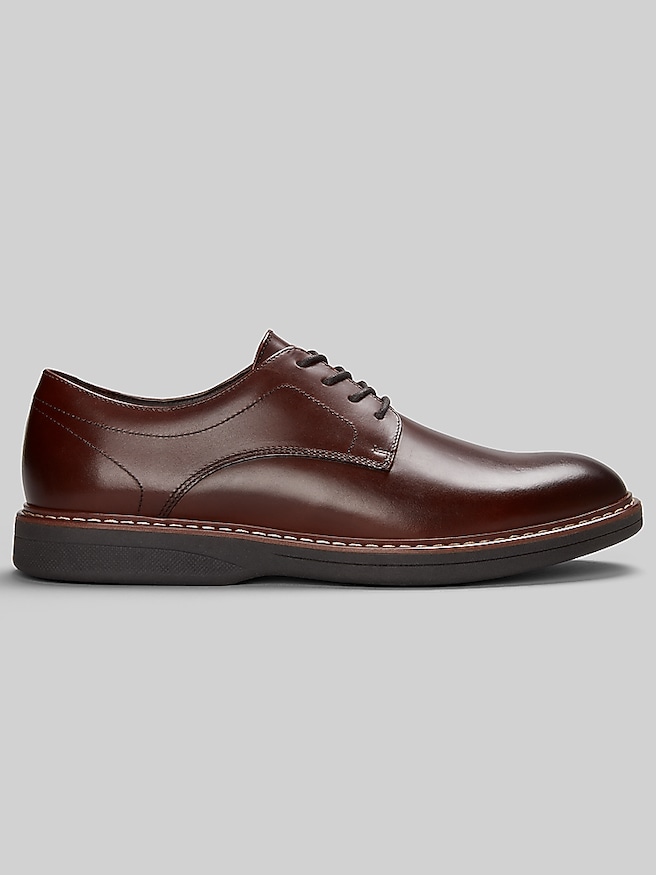
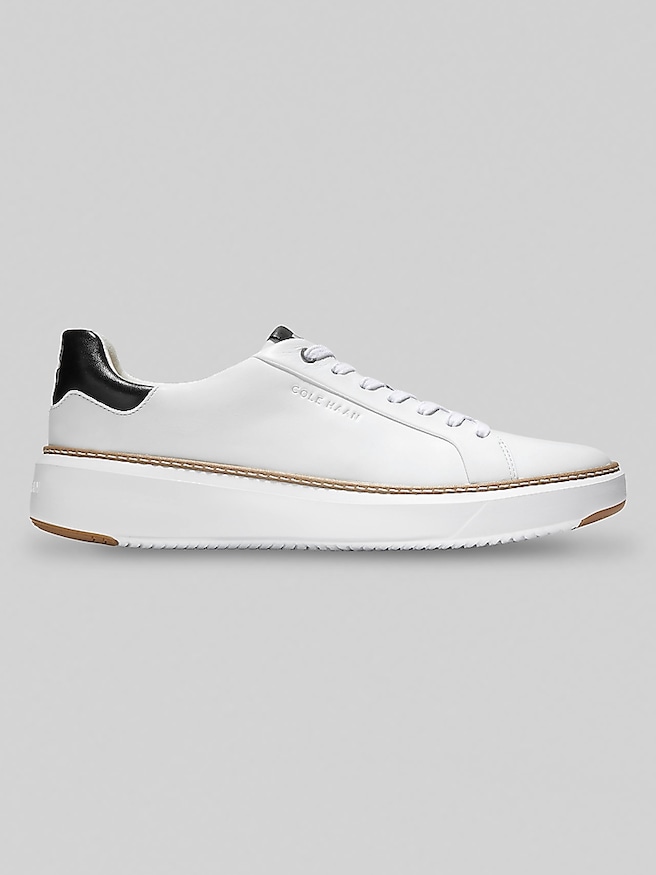
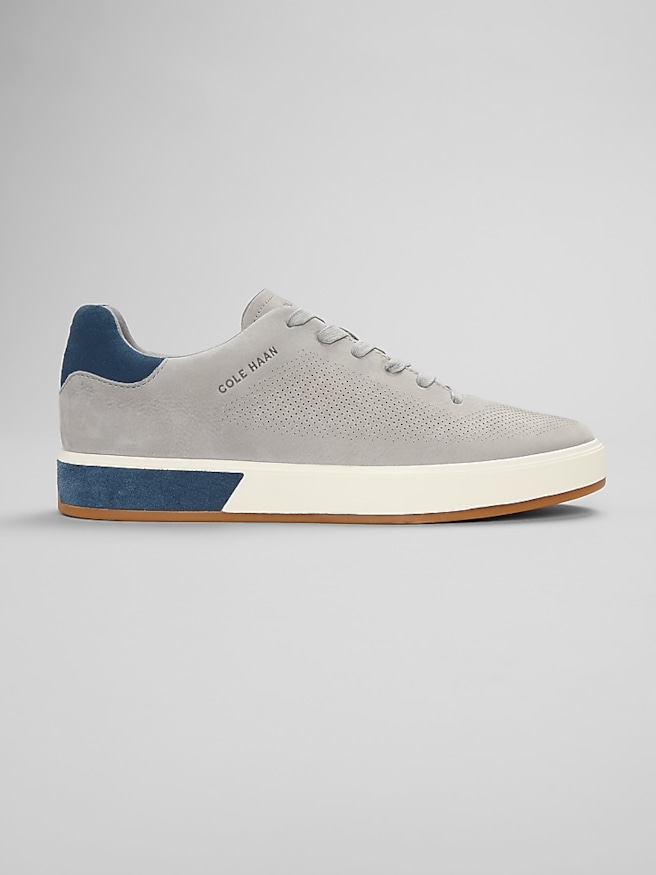
Designer dress sneakers combine the polished appearance of dress footwear with the relaxed shape and flexible sole construction associated with sneakers. Smooth leather, restrained detailing, and balanced proportions help distinguish these shoes from athletic styles built around mesh panels, oversized cushioning, or prominent performance features. The result is footwear that can look at home beneath tailored trousers without feeling out of place with dark denim. Within the category, minimalist low-tops offer a clean, uninterrupted profile, while hybrid dress sneakers borrow details such as perforated broguing, wingtip panels, or an oxford-inspired upper. Neither approach needs elaborate decoration to make an impression: neatly finished seams, subtle texture, and a well-shaped toe can provide plenty of character. A slim rubber sole generally creates a dressier effect than a thick, heavily sculpted bottom, although sole height alone does not determine comfort or quality. Color also influences how easily a pair moves between settings. Black leather with a matching sole creates a continuous line beneath dark trousers; brown adds depth alongside navy, gray, and earth tones; and white brings a crisp contrast to more relaxed tailoring. Tonal laces and discreet branding keep attention on the overall silhouette, while contrasting panels or embossed textures create a more expressive look. For someone whose day includes a commute, a business-casual office, and dinner afterward, these details can make dress sneakers a useful middle ground between traditional lace-ups and everyday athletic footwear. They are especially effective when the rest of the outfit has a similarly balanced feel: a softly structured jacket, an open-collar shirt, and trousers with a clean hem. The broader selection of Mens Designer Sneakers reflects the range of understated and statement-driven styling within designer footwear, while dress-oriented silhouettes emphasize the proportions and finishes that work naturally with a more polished wardrobe. Their appeal comes less from following a single dress formula than from making familiar combinations feel considered and easy to wear.
Materials give designer dress sneakers much of their visual character and influence how they feel over time. Smooth leather offers an even surface that complements tailored clothing and can usually be wiped clean with appropriate care. Full-grain leather retains its natural surface characteristics and may develop a patina, while pebbled leather introduces texture that can make minor surface marks less conspicuous. Suede has a softer, matte appearance that works particularly well with textured trousers and unstructured jackets, though its raised nap requires different cleaning tools from smooth leather. Leather descriptions alone do not tell the whole story; lining materials, seam placement, tongue padding, and the shape of the footbed also affect the wearing experience. A leather lining may soften with use, while textile linings can offer a lighter feel depending on their construction. Underfoot, foam cushioning can soften each step, and rubber outsoles can provide flexibility and traction, but neither guarantees support or slip resistance in every setting. Fit remains essential. A comfortable pair should hold the heel securely without rubbing, allow the toes to move without pressing against the front, and feel snug rather than tight across the widest part of the foot. A tapered toe may look elegant, yet the interior still needs enough space for the wearer’s foot shape. Designer sizing can vary, so the usual size in running shoes is not always the best reference for a dress-sneaker silhouette. Trying footwear with the intended socks and walking on a clean indoor surface can reveal pressure at the little toe, slipping at the heel, or an inflexible edge around the ankle. Laces offer useful adjustment across the instep, but they cannot correct a shoe that is fundamentally too narrow or too short. Leather may relax slightly with wear; persistent pinching should not be treated as a necessary break-in stage. For longer days on foot, a stable heel, comfortable forefoot flex, and cushioning that does not feel overly soft can matter more than a plush first impression.
The most versatile designer dress sneakers suit the places their wearer actually goes. In an office with a relaxed dress code, a dark, low-profile pair can sit neatly beneath chinos or flat-front trousers and a knit polo. For a restaurant reservation or gallery opening, smooth leather sneakers can bring an informal edge to a sport coat without making the outfit look unfinished. With a suit, the strongest combinations usually involve relaxed tailoring and a trouser hem that falls cleanly rather than bunching over the shoe. Sneakers are not a substitute for formal dress shoes when an invitation specifies black tie or a workplace requires traditional business attire. They also serve a different purpose from running or training footwear, even when their soles look athletic. For travel that includes meetings and casual meals, their ability to complement several outfits can simplify packing, provided the fit has already proved comfortable. As a gift, they can suit someone who enjoys tailored clothing but prefers a less formal finishing touch; the recipient’s size, width needs, usual colors, and preference for subtle or visible detailing are more useful clues than appearance alone. Regular care helps preserve that polished effect. Dust and loose grit should be removed before cleaning, with smooth leather treated according to the maker’s instructions and conditioned only with a compatible product. Suede benefits from a dedicated brush and suitable cleaner rather than leather cream. Any treatment is best tested on an inconspicuous area first. Sole edges deserve attention too, since scuffed or dirty rubber can change the impression of an otherwise tidy shoe. Air-drying away from direct heat, allowing time between wears, and using appropriately sized shoe trees can help maintain shape and manage moisture. Durability depends on the upper, outsole, construction, frequency of use, and care—not simply the designer label. Many sneaker constructions are harder to resole than traditional welted footwear, making even outsole wear and sound upper-to-sole attachment practical considerations. With thoughtful upkeep, dress sneakers can remain a distinctive, wearable part of a polished everyday wardrobe.