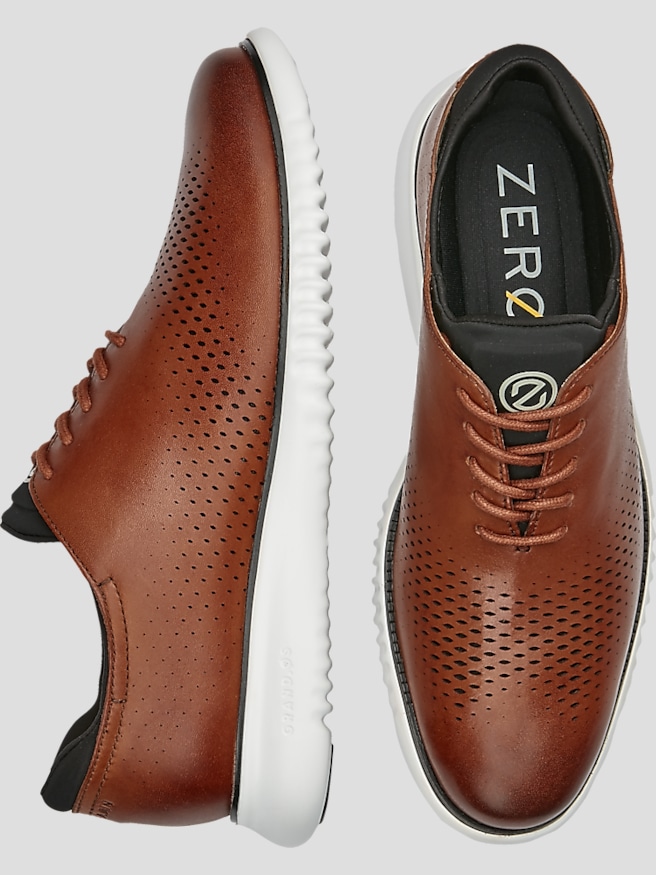
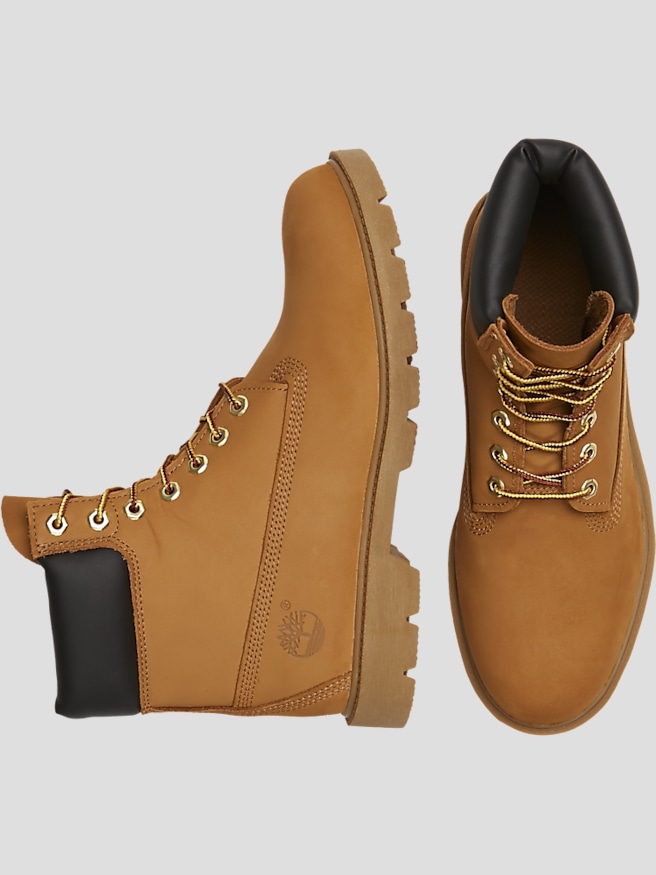
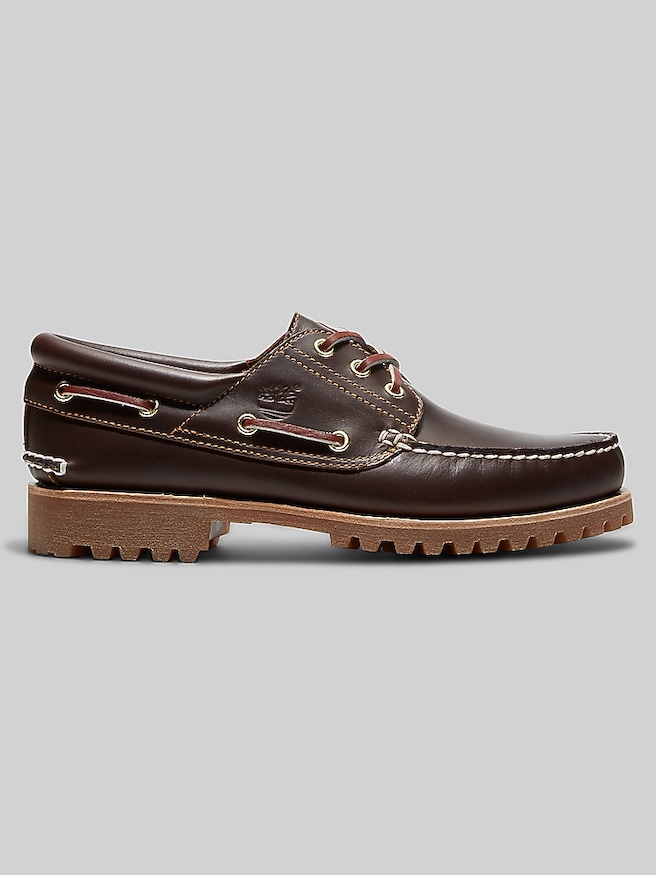
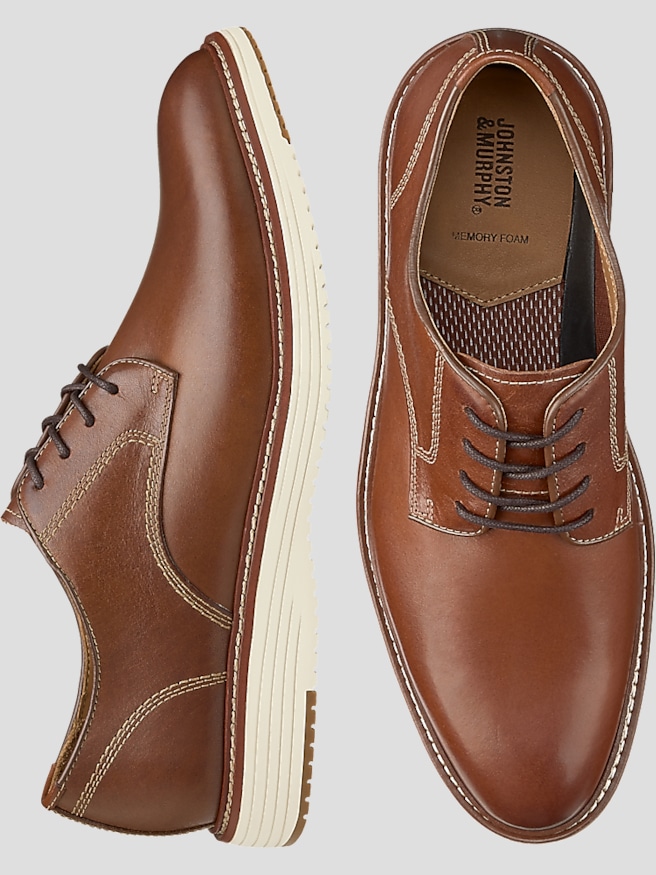
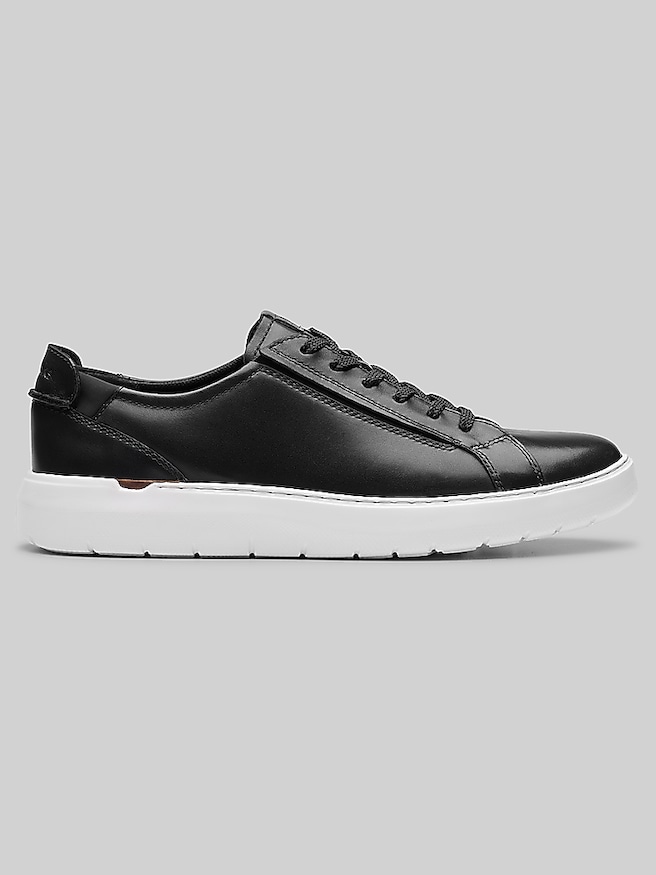
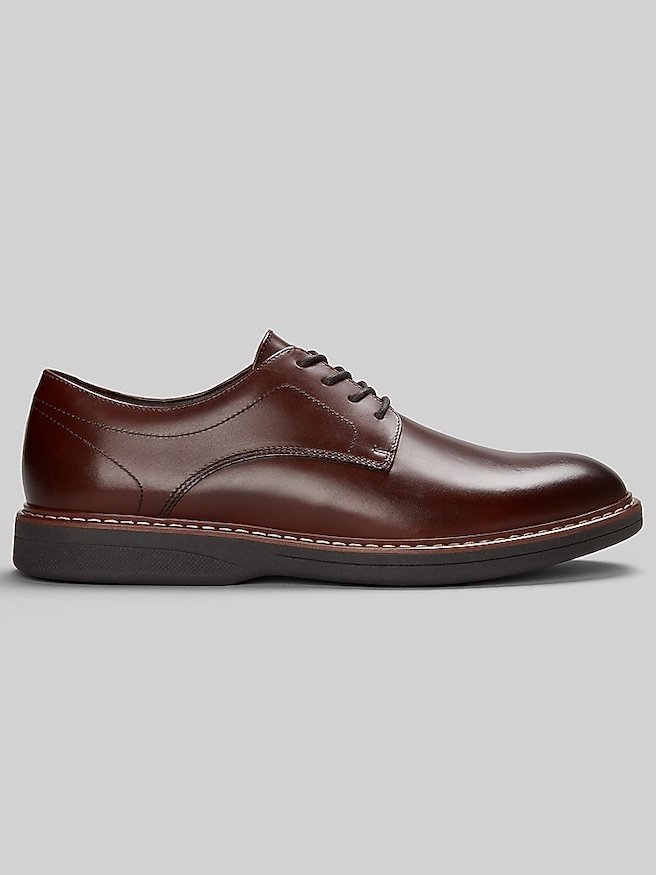
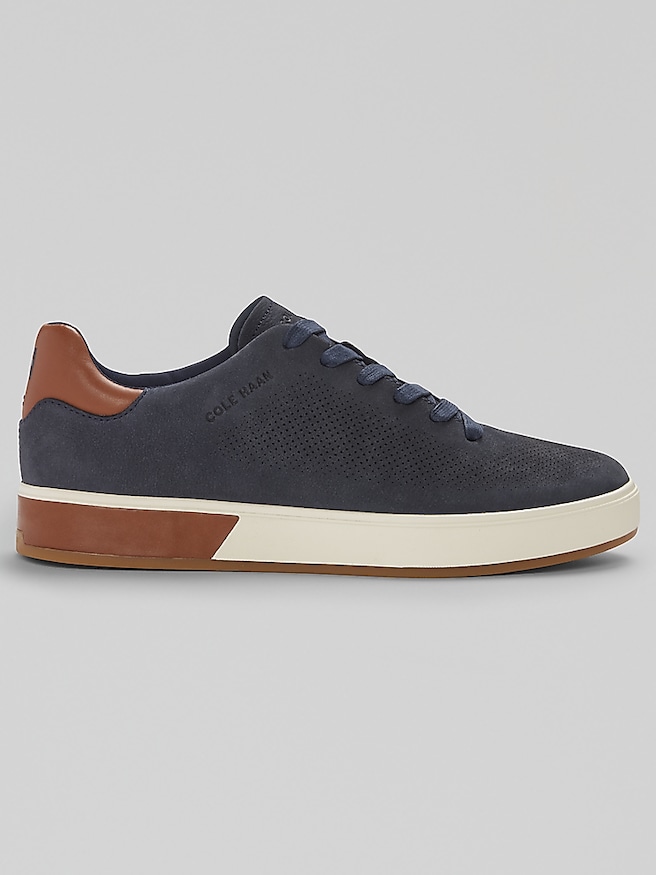
Men’s designer sneakers bring together the polish of luxury footwear and the relaxed attitude of modern streetwear. Unlike athletic shoes built primarily for training, these sneakers are designed to make an impression as part of a complete outfit, often with carefully chosen leather, suede, canvas, technical fabric, or mixed-material uppers, refined hardware, distinctive soles, and recognizable design details. The selection can include clean, minimalist low-tops for a quiet finish, classic court-inspired silhouettes that work with denim or chinos, substantial statement sneakers that anchor an outfit, and vintage-look styles with worn-in character from the first wear. Prices commonly begin in the few-hundred-dollar range and can rise well beyond $1,000 depending on construction, materials, craftsmanship, limited availability, and the level of detailing. That range makes it helpful to consider how often the sneakers will be worn and what role they will play in a wardrobe. A streamlined pair in a neutral shade may become a dependable everyday option for commuting, dinners, travel, and casual offices, while a bold color combination, sculpted sole, or layered upper may be better suited to weekends, creative settings, and outfits built around the footwear. For shoppers who prefer a versatile foundation, white, black, gray, cream, and understated earth tones tend to coordinate easily with dark denim, tailored trousers, knitwear, overshirts, and lightweight jackets. More expressive colorways can add energy to a simple outfit, especially when the rest of the look is kept intentionally clean. During the warmer part of the year, designer sneakers pair naturally with cuffed chinos, relaxed trousers, and breathable casual tailoring; as the weather cools, they can be worn with heavier denim, wool-blend pants, textured socks, and layered outerwear. This flexibility is part of their appeal: the right pair can soften a formal-inspired outfit without making it feel careless, or give a basic T-shirt and jeans combination a more considered finish.
Fit and construction deserve as much attention as appearance. Start with the length and width of the foot, then consider the shape of the toe box, the thickness of the socks you typically wear, and whether the sneaker has a structured or softly padded interior. A snug heel can help prevent slipping, but the toes should have enough room to move comfortably without pressing against the front. Leather may relax slightly with wear, while synthetic materials and heavily structured panels generally hold their original shape, so a pair that feels overly tight at the first fitting may not become comfortable with time. Examine the sole for dependable flex, clean bonding, and enough cushioning for the way you plan to use the sneakers. A low-profile sole often looks particularly refined with tailored clothing, while a thicker sole can provide a more contemporary proportion with relaxed or wide-leg trousers. Materials also affect care: smooth leather can usually be wiped clean and conditioned, suede benefits from a protective treatment and a soft brush, and fabric or mixed uppers should be cleaned according to their construction rather than saturated. Keeping sneakers away from prolonged moisture, allowing them to air out between wears, and storing them with their shape supported can help preserve both comfort and appearance. It is also worth checking the overall balance of the design. A visibly distressed finish is intentional on some styles, but a shopper seeking a crisp, polished look may prefer even panels, restrained branding, and a clean cupsole. Those who want additional inspiration across current silhouettes can explore Modern Men's Sneakers for another perspective on contemporary footwear and outfit coordination.
Designer sneakers can be a thoughtful gift for a partner, family member, graduate, newly promoted professional, or anyone rebuilding a wardrobe around versatile pieces. They are especially useful for someone whose lifestyle moves between casual plans and more elevated settings, since a well-chosen pair can cover more ground than a strictly athletic sneaker or a highly formal shoe. When purchasing for someone else, neutral colors and familiar low-top proportions are generally easier to wear, while bolder designs are best reserved for a recipient whose personal style already includes statement clothing and accessories. Pay attention to sizing, return options, and the recipient’s usual footwear preferences, including whether they favor a slim, traditional shape or a roomier, more substantial fit. For personal shopping, consider the clothes already hanging in the closet rather than choosing in isolation. A minimalist sneaker may fill a gap between loafers and athletic shoes; a dark pair can provide a sharper alternative to everyday canvas footwear; and a retro-inspired design can add texture and personality to understated basics. During the cooler months, sneakers can be grounded with layers such as overshirts, bomber jackets, knit polos, and casual wool coats, while transitional weather makes them useful with lightweight jackets and tailored separates. The strongest choice is one that feels distinctive without becoming difficult to wear, offers comfort for real daily movement, and complements the wearer’s existing habits. With attention to fit, material, proportion, maintenance, and personal style, men’s designer sneakers can serve as more than an eye-catching accessory—they can become a reliable part of a modern wardrobe, balancing craftsmanship and individuality wherever the day leads.