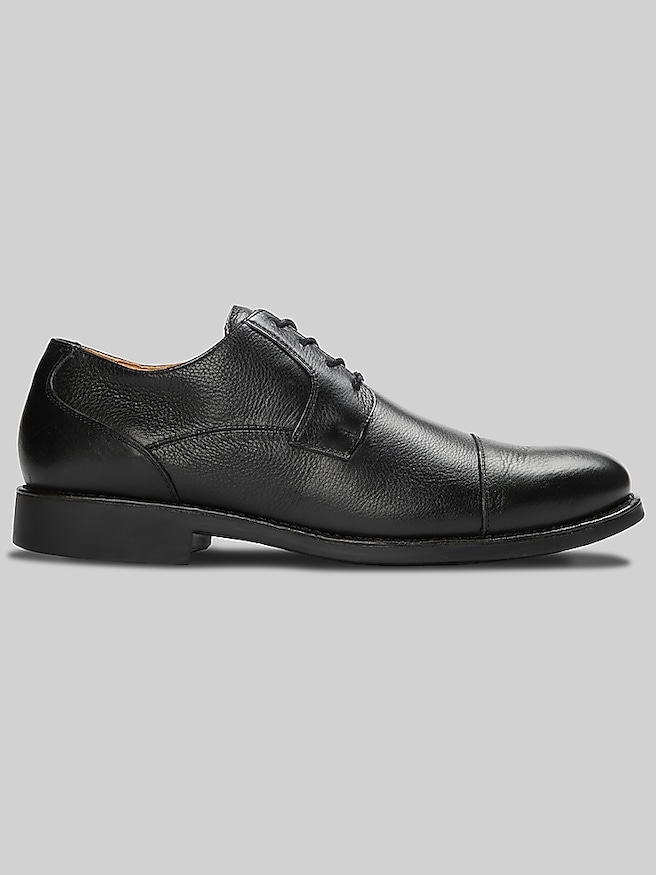
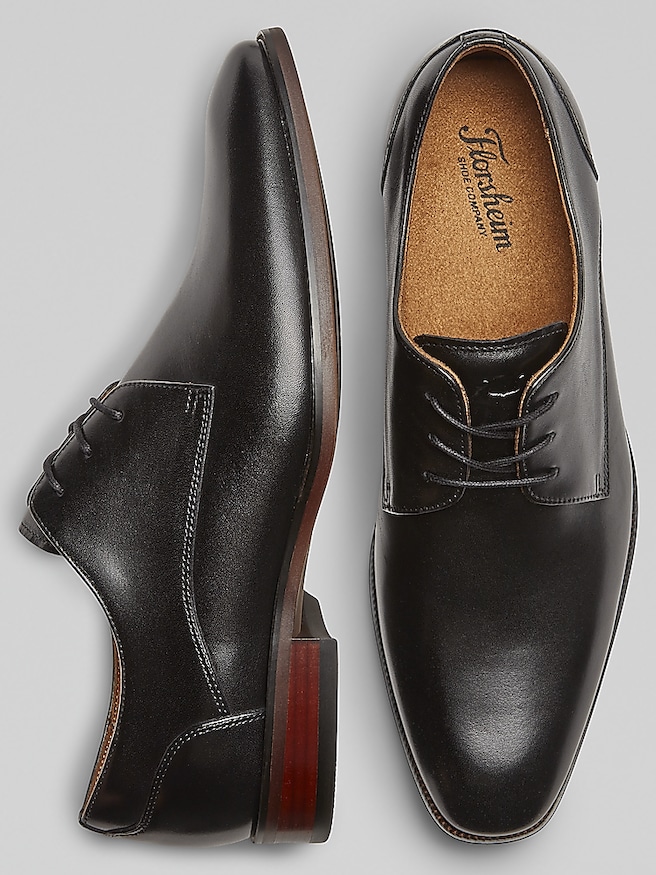
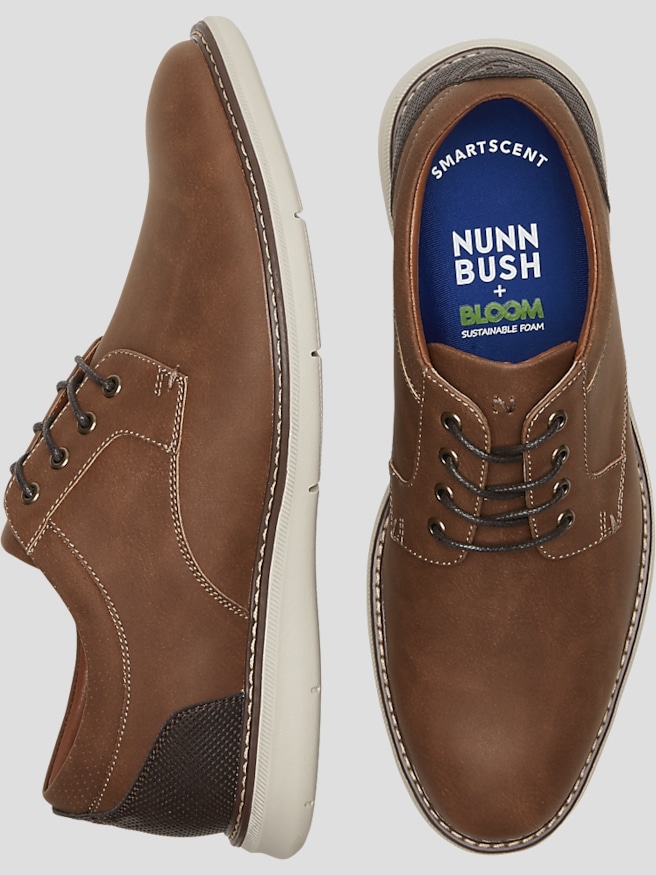
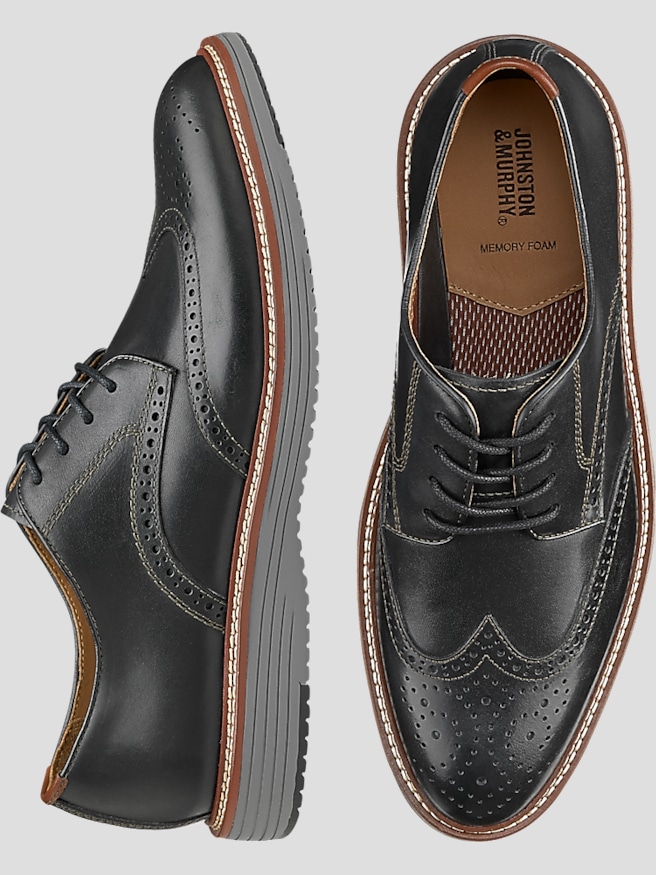
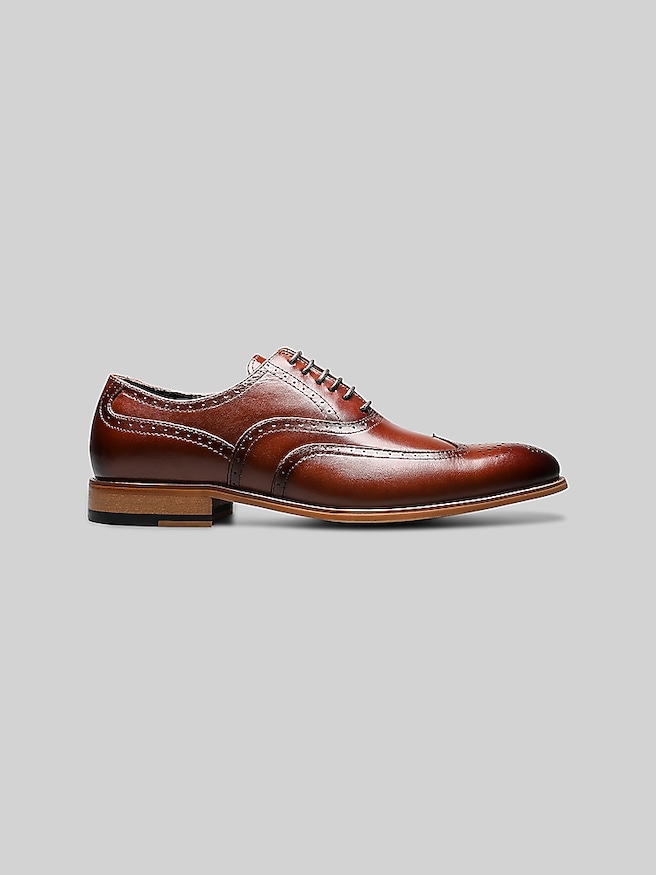
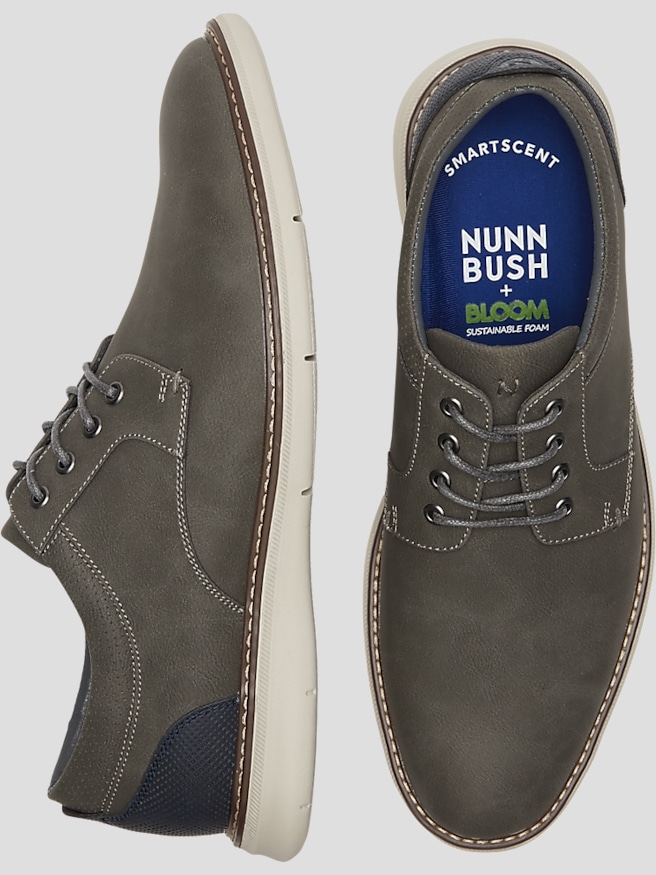
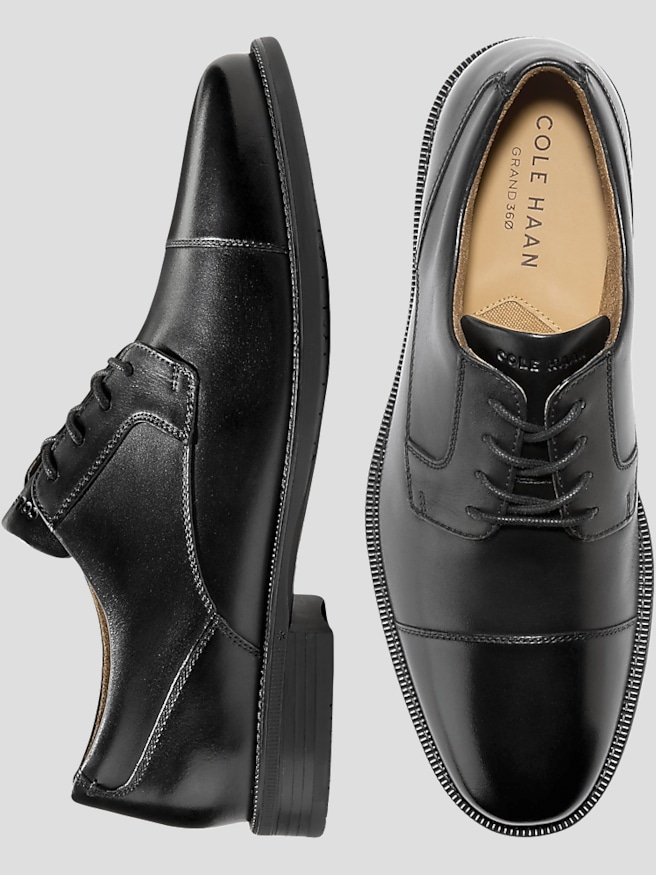
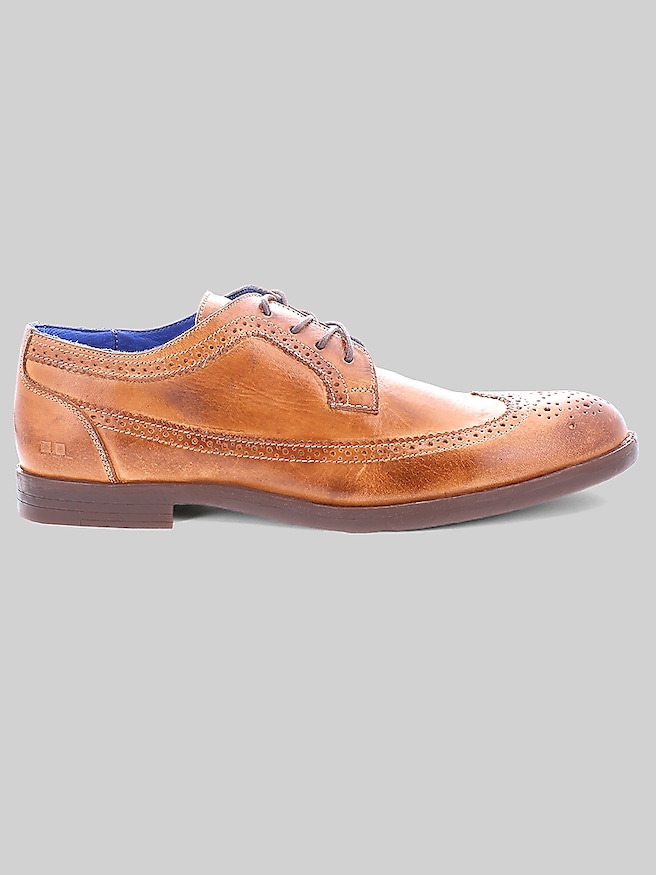
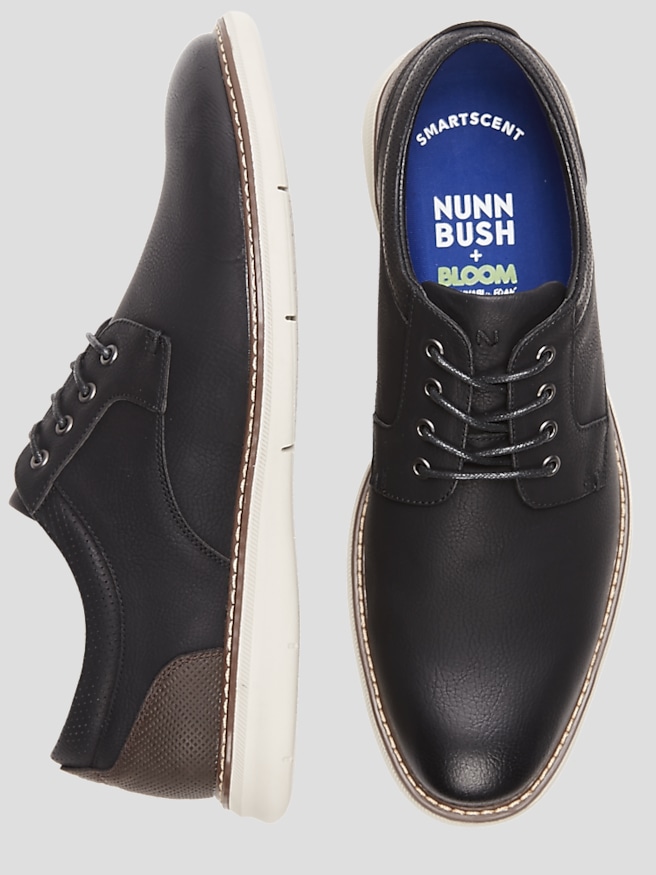
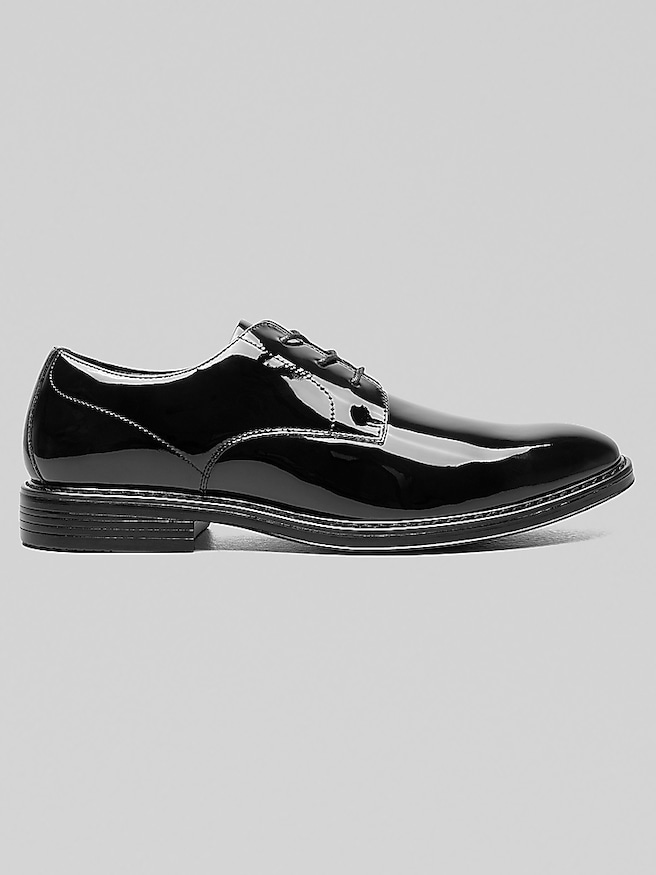
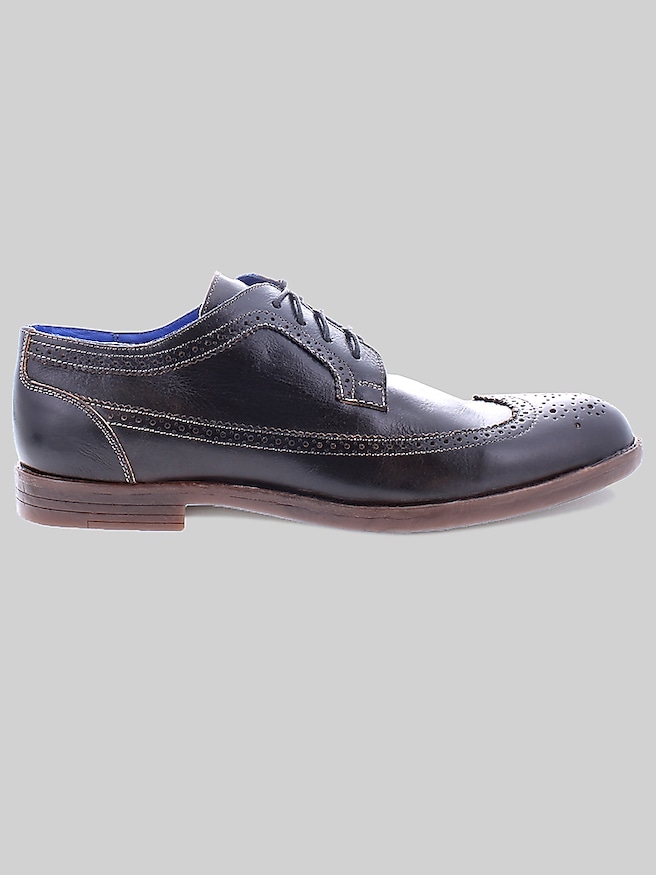
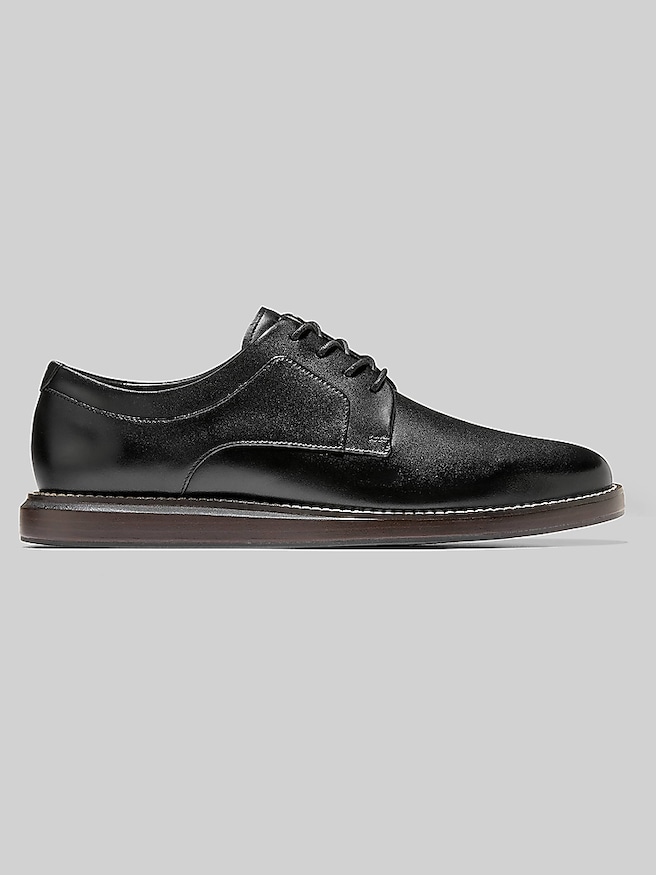
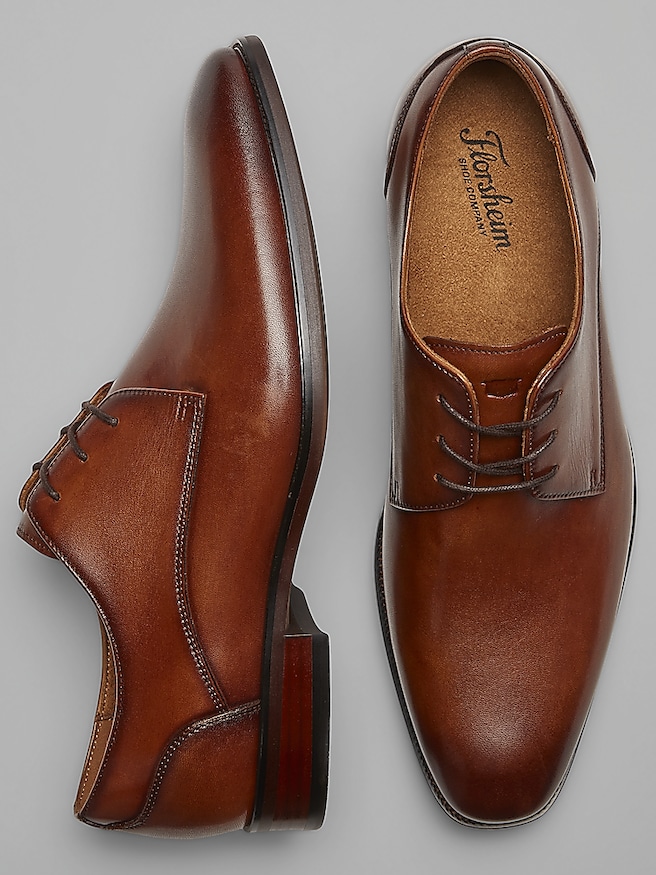
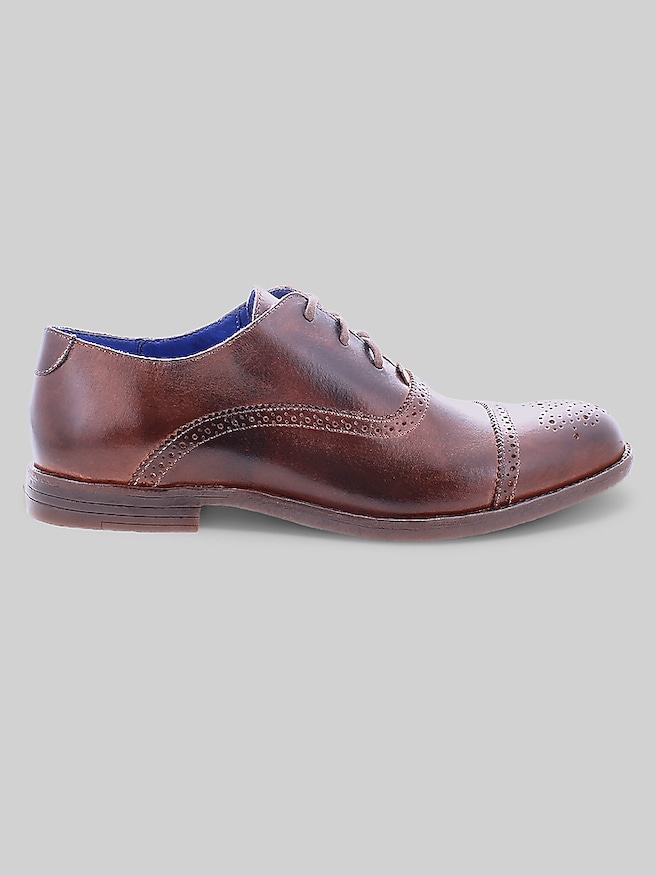
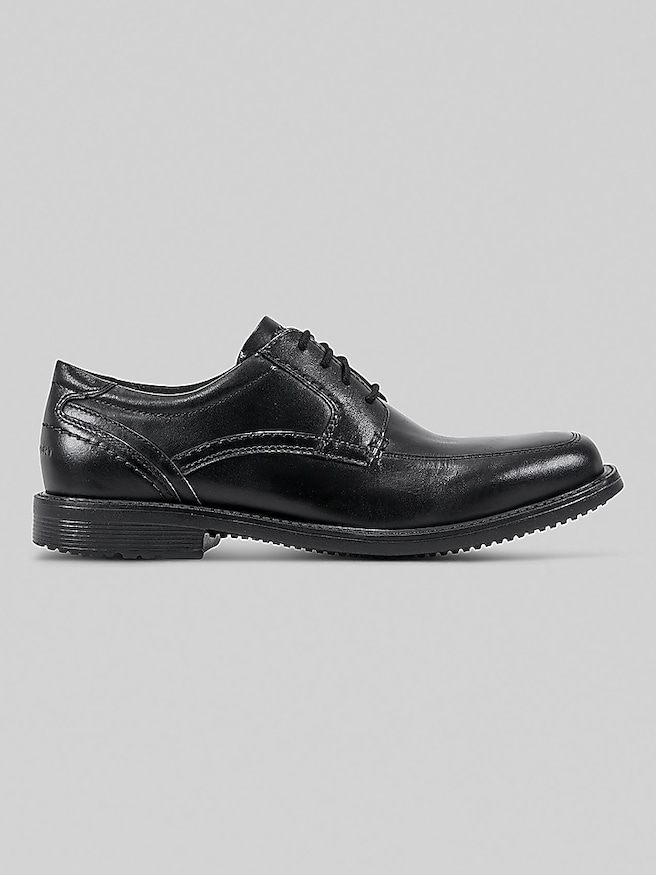
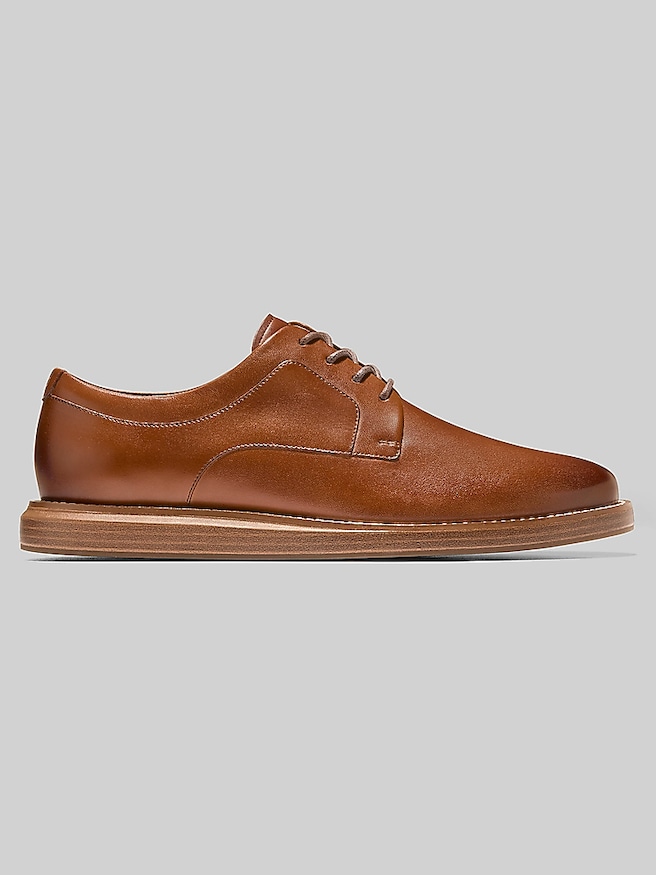
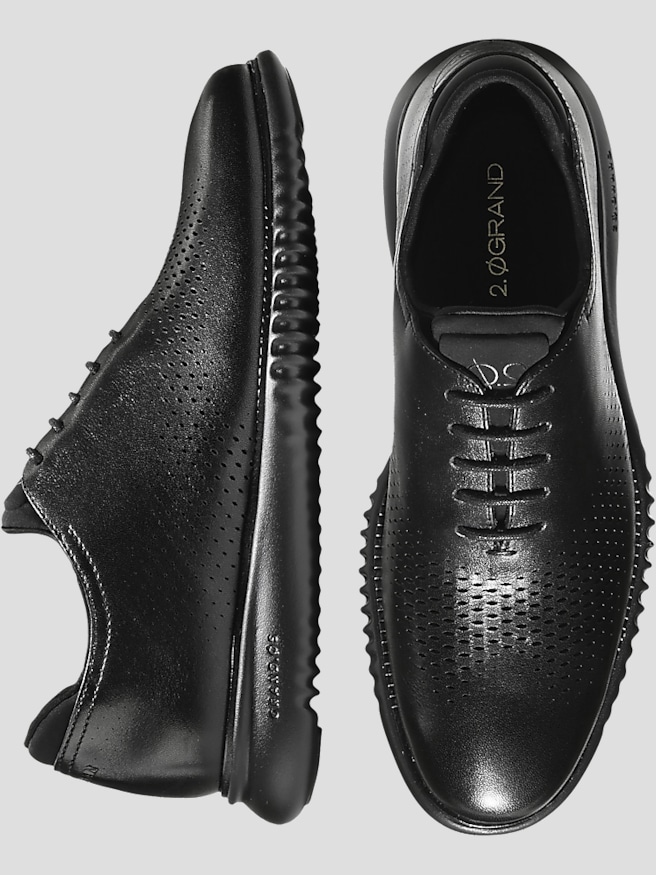
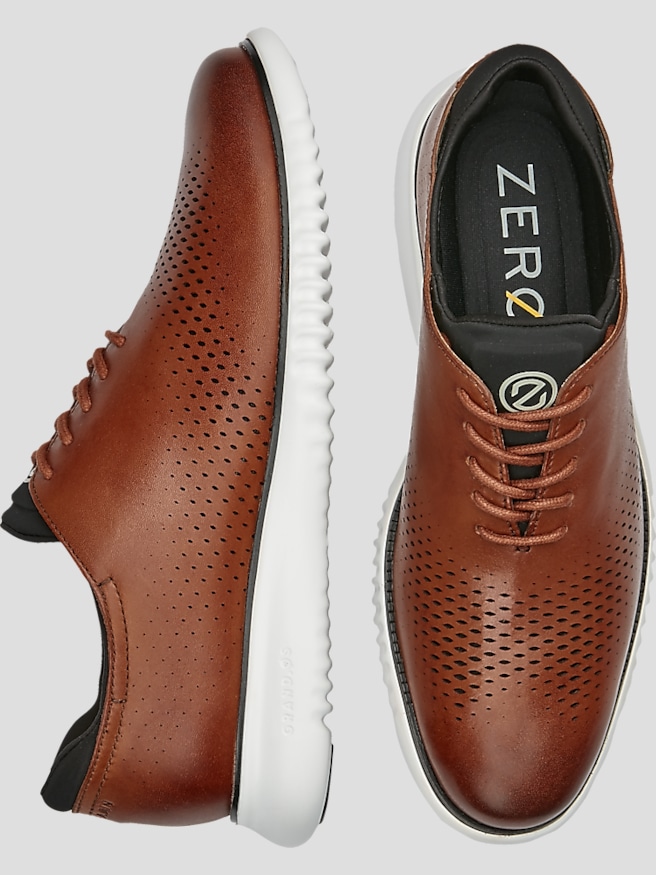
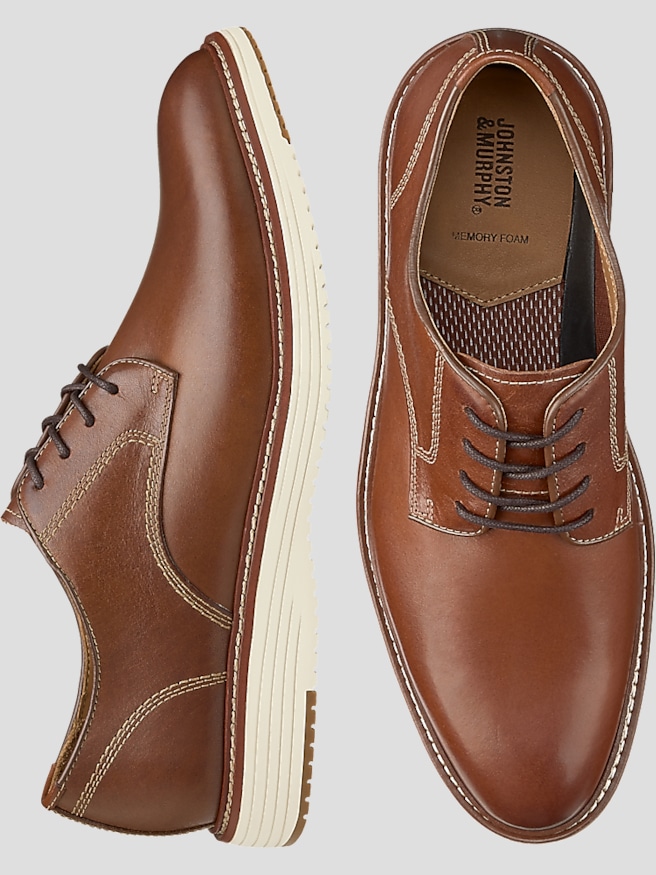
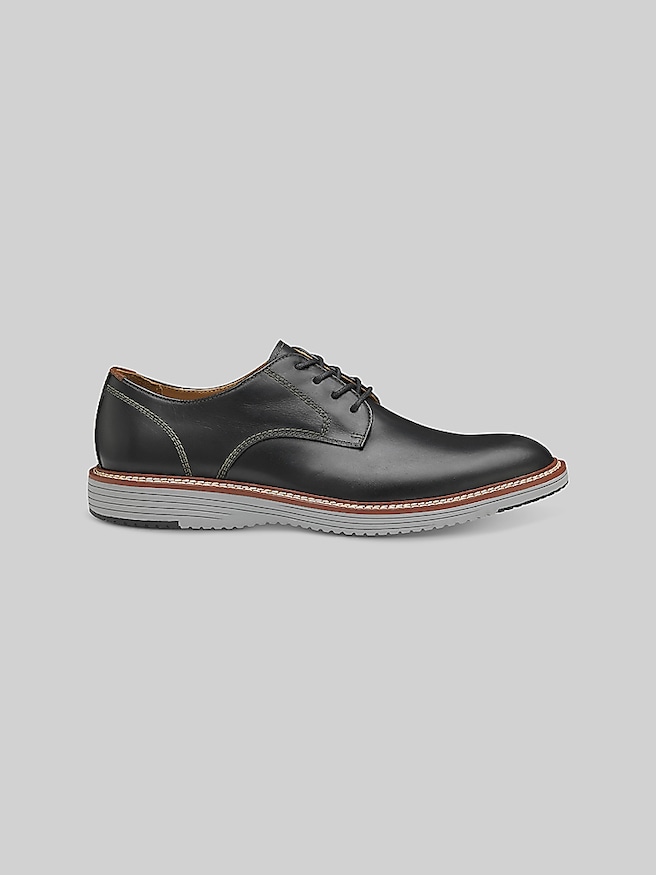
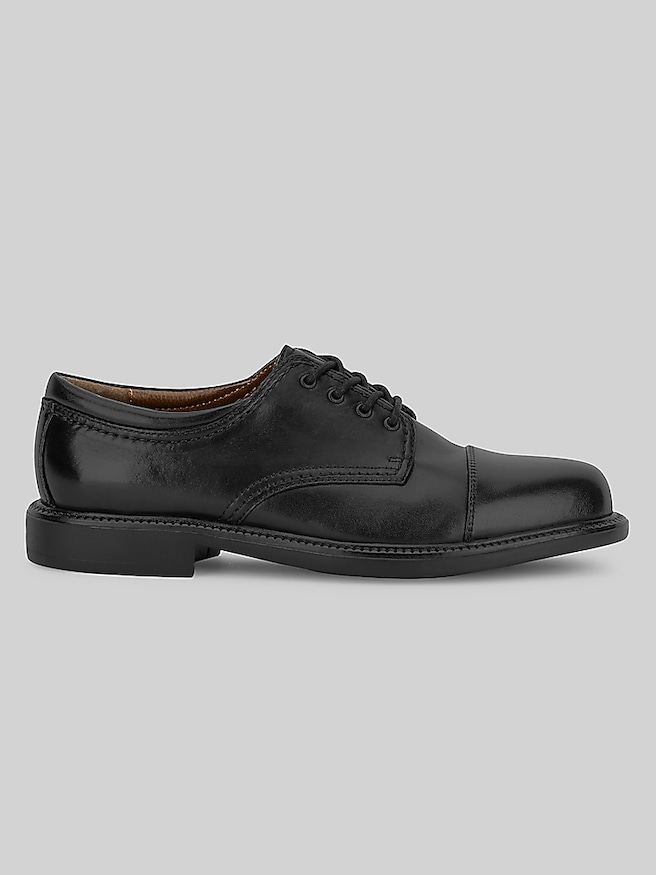
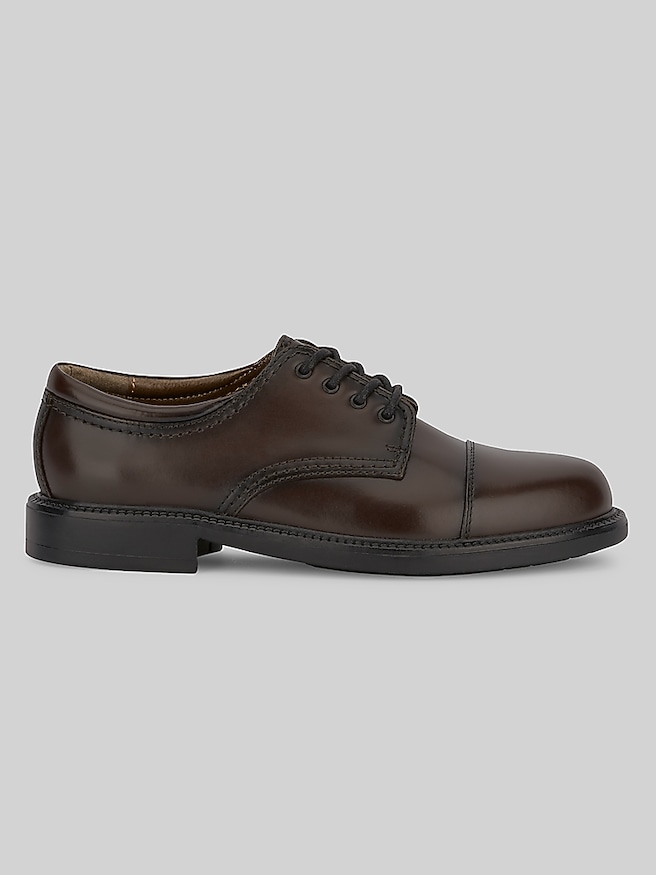
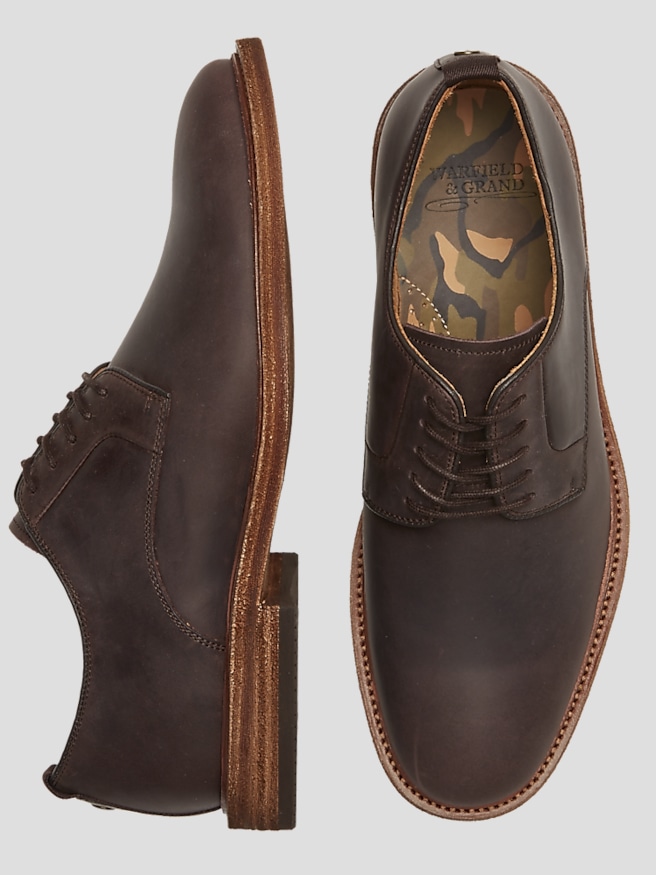
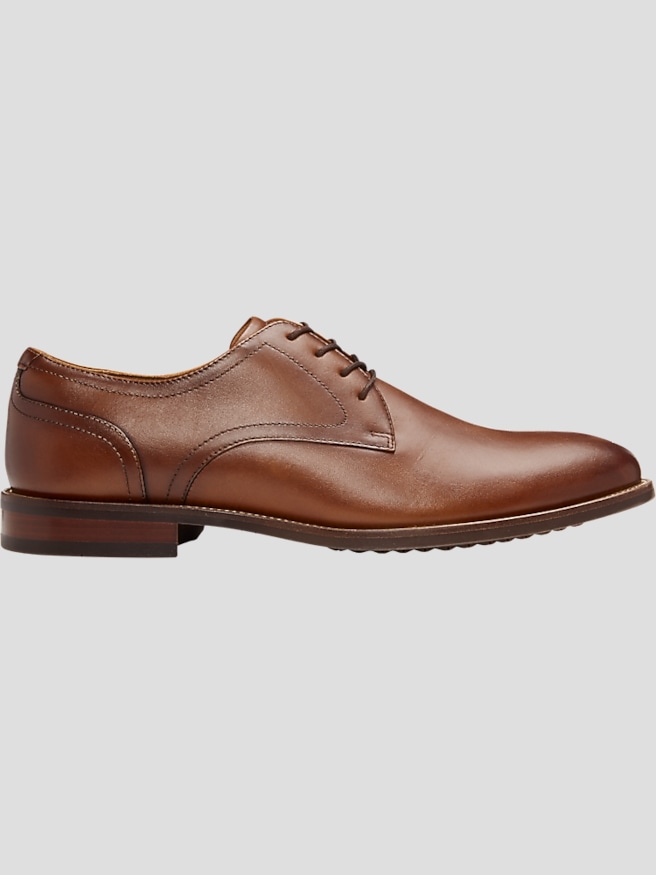
Derby shoes have long been a cornerstone of classic men’s footwear, offering a blend of refined style and everyday comfort that makes them an indispensable option in any well-rounded wardrobe. Characterized by their open lacing system—where the quarters are sewn atop the vamp—derby shoes provide a more flexible fit than their oxford shoe counterparts, making them particularly suitable for those with higher insteps or broader feet. This thoughtful construction lends itself to superior comfort, which is why many men turn to derbies when searching for comfortable dress shoes for men that can transition seamlessly from day to night. Whether you're dressing for a business meeting, a summer wedding, or a smart-casual dinner, derby shoes strike the perfect balance between polished formality and relaxed versatility. Their adaptability shines during the warmer months, pairing effortlessly with lightweight suits, crisp chinos, or even dark denim for a look that feels both intentional and approachable. The range of available styles—from sleek black leather for more formal occasions to rich browns, burgundies, and textured suedes for everyday wear—means there’s a derby shoe to suit virtually every taste and setting. For those who appreciate durable craftsmanship, many quality derbies feature Goodyear welt construction, ensuring they can be recrafted and enjoyed for years to come.
Gifting a pair of derby shoes is a thoughtful gesture for graduations, Father’s Day, or as a memorable thank-you for a mentor or colleague. Their universal appeal and practical elegance make them an excellent choice for anyone building a professional wardrobe or seeking a reliable upgrade to their everyday footwear. Derby shoes formal enough for the office yet comfortable enough for a weekend stroll are especially popular among those who value both style and ease. If you’re shopping for someone who spends long hours on their feet or has a wide foot, look for options with cushioned insoles or wider sizing to ensure all-day comfort. For men who appreciate variety, derbies can be paired alongside other staples such as Leather Chelsea Shoes or loafers to cover a spectrum of dress codes and seasonal needs. The open lacing not only enhances fit but also creates subtle visual interest, making derbies a go-to choice for those who want to stand out with understated sophistication. From the boardroom to evening events and everything in between, derby shoes remain a reliable favorite—combining timeless appeal, expert craftsmanship, and everyday practicality all in one.
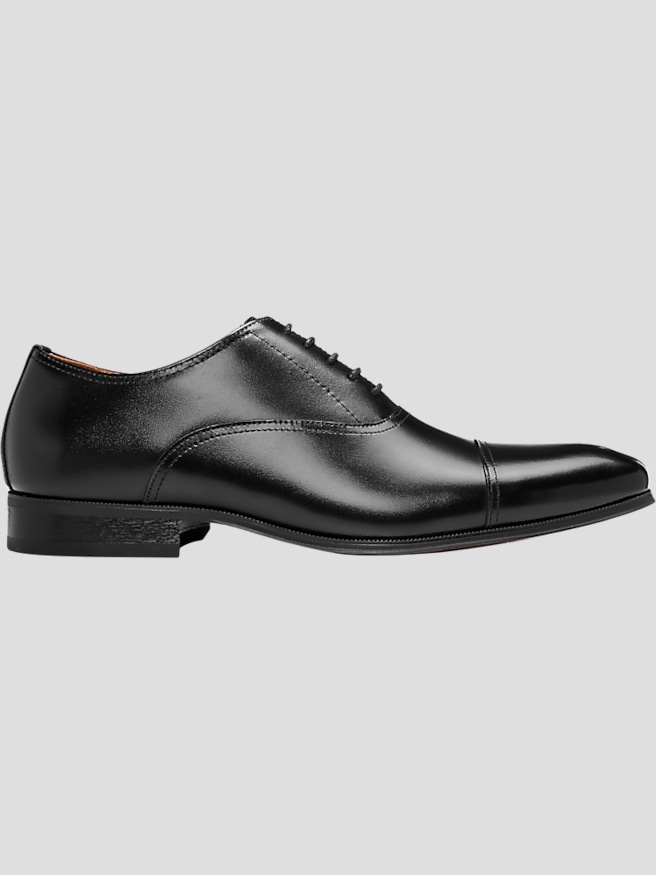
When considering derby shoes, it’s worth noting the subtle differences between styles and materials. Classic black leather derbies offer a sleek, formal look that pairs beautifully with tailored suits and sharp office attire, while brown or oxblood tones lend themselves to more relaxed, business-casual ensembles. Suede variations provide a softer, more laid-back feel, ideal for social gatherings or creative workplaces where a touch of personality is welcome. For those who prioritize comfort, modern interpretations often incorporate cushioned footbeds and flexible soles, rivaling even the most comfortable athletic footwear. Whether you’re new to dress shoes or a seasoned collector, the right pair of derby shoes can elevate your style and provide reliable comfort through the changing seasons. As you explore options, keep in mind that derby shoes are as much about personal expression as they are about tradition, making them a worthy investment for anyone who values both classic craftsmanship and contemporary versatility. For those who appreciate a broader selection, styles inspired by nine west mens shoes or oxford shoes can also offer unique twists on the timeless derby silhouette, ensuring you’ll find the perfect fit and finish for any occasion.