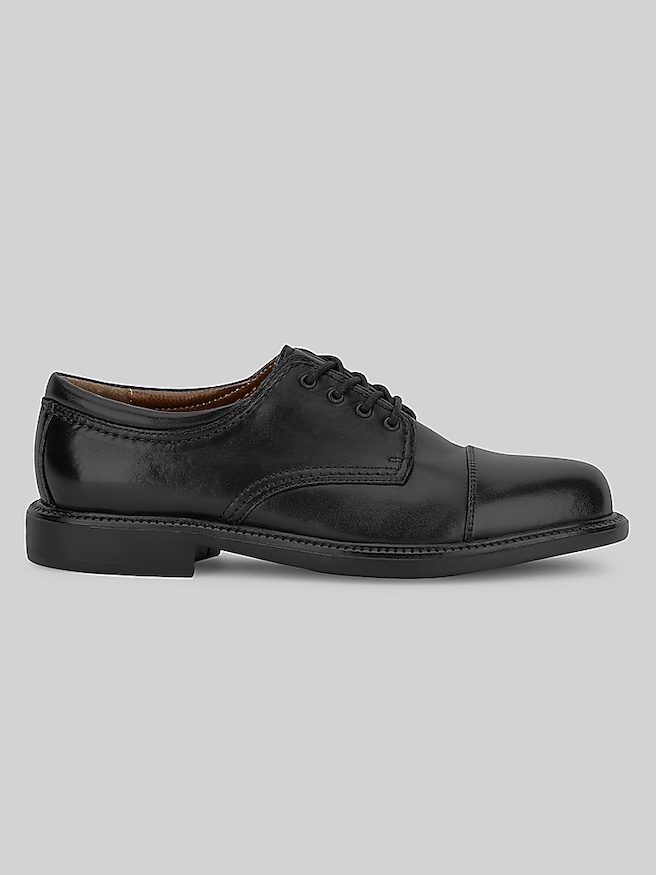
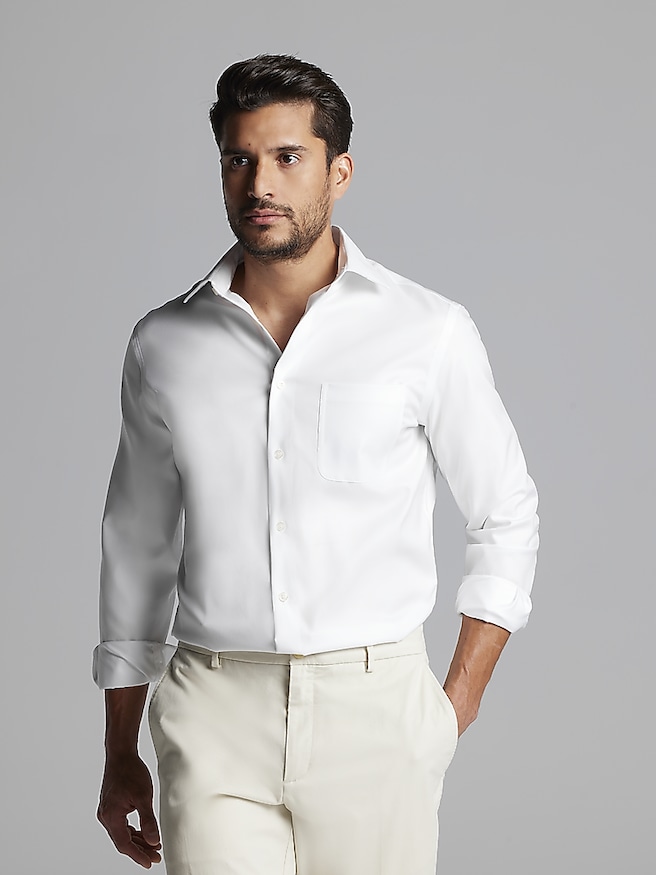
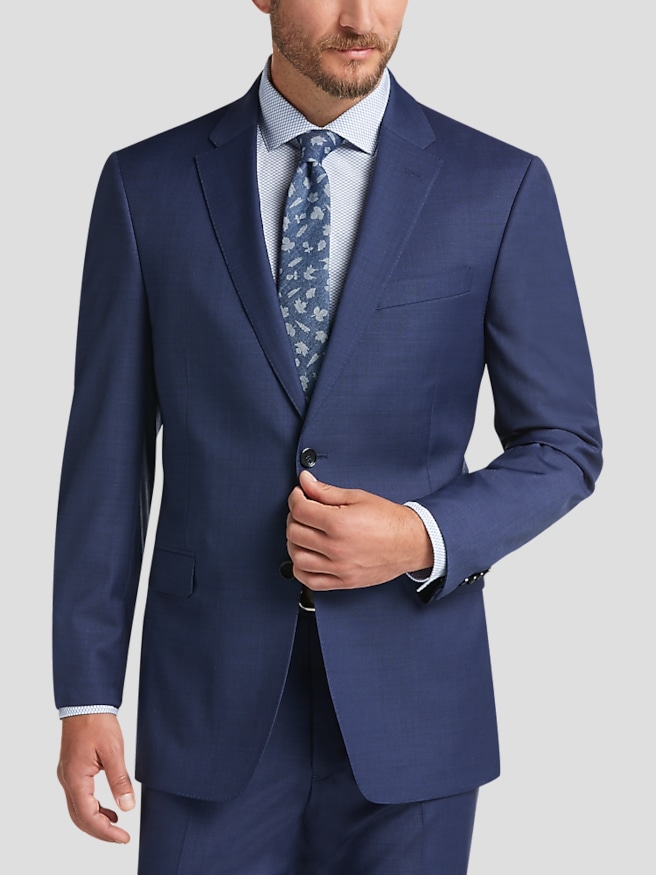
DECA event suits are business-professional clothing for students taking part in competitive presentations, role-plays, leadership activities, and conference programs. A solid navy, gray, or black suit with a dress shirt, a tie, and closed-toe dress shoes provides a traditional foundation, subject to the official requirements for the particular event. The goal is a coordinated appearance that keeps attention on the participant’s ideas, preparation, and delivery. A quiet fabric and clean silhouette work well when presenting a marketing proposal, discussing a financial scenario, or standing before a panel of judges. DECA attire requirements deserve particular attention because a standard suit and an official conference outfit are not always interchangeable. At the International Career Development Conference, known as ICDC, DECA requires its official blazer for competitive events and onstage appearances; an ordinary navy suit jacket is not a substitute. Business-professional clothing worn with the official blazer must also meet the applicable requirements. District, association, and conference rules may vary, making the official event dress code the deciding reference for a complete outfit. Within those requirements, restrained colors are easy to coordinate and useful beyond a single competition. Navy pairs naturally with a white or light blue shirt, while charcoal creates a similarly professional impression with subtle contrast. Black offers another traditional option where permitted by the event’s guidelines. Matching jacket and trouser fabric gives a suit a consistent appearance under meeting-room lighting and in chapter photographs. Small details matter at close range: a smooth shirt collar, a centered tie knot, clean shoes, and trousers with an intentional hem help the whole outfit look considered. For a first-time competitor, the right suit can make the setting feel more familiar; for an experienced participant, it becomes dependable clothing for another demanding presentation day. Either way, the suit should support participation rather than draw attention away from it.
Fabric and construction influence how DECA event suits feel through a full schedule of sitting, standing, walking between rooms, and speaking in front of others. Wool is valued in suiting for its drape, breathability, and ability to recover from light creasing, although performance varies with the weave and weight. Wool blends can combine that tailored appearance with other practical qualities, while fabrics containing stretch may offer additional ease when reaching for presentation materials or taking a seat. Stretch alone does not guarantee comfort, and a soft fabric still needs enough structure to hold a neat line. A smooth, closely woven surface generally reads as more formal than a strongly textured or visibly casual cloth. Lining, seams, and closures also deserve attention, especially for a suit intended for repeated conferences and school events. A lining that lies flat, secure buttons, and neatly finished seams contribute to comfortable wear and a tidy appearance. Fit has an equally important role. Jacket shoulders should sit close to the natural shoulder line without projecting outward or collapsing into pronounced folds. When buttoned, the front should lie smoothly rather than pull into an X across the torso. The collar should rest against the shirt collar, and the sleeves should allow a modest amount of shirt cuff to show. Trousers need enough room through the seat and thighs for a comfortable seated position, with a waistband that stays secure without relying on an overtightened belt. A slim silhouette can look sharp, but excessive tightness often becomes obvious during a seated role-play or a long presentation. A roomier cut can be just as polished when the shoulders, waist, and length are proportionate. For students who are still growing, alterations deserve thoughtful consideration so the finished suit feels appropriate for the event without unnecessary restriction. Trying the complete outfit while sitting, walking, and gesturing helps reveal fit issues that are easy to miss while standing still in front of a mirror.
The pieces worn with a DECA suit should make the outfit feel complete without competing with a student’s presentation. A dress shirt with a collar that accommodates the tie comfortably helps maintain a neat neckline, while sufficient sleeve length keeps the cuffs from disappearing when the arms move. For coordinated finishing pieces, DECA Event Shirts And Ties complements the business-professional foundation of a suit. Solid ties and restrained patterns are straightforward companions to solid suiting, provided they meet the event’s requirements. A tie should sit neatly beneath the collar and reach approximately to the waistband, without extending far below it. Dress shoes should be clean, comfortable, and appropriate for the official dress code, with socks that maintain coverage when seated. Familiarity matters as much as appearance: shoes that feel comfortable during a brief fitting may need additional wear before a full conference schedule. A complete outfit check also helps catch a loose button, a collar that pinches, or a trouser hem that catches against the shoe. Between events, suit care protects both appearance and usefulness. The garment’s care label should determine cleaning and pressing methods, since fabric blends, linings, and internal construction can require distinct treatment. Hanging the jacket on a shaped hanger and the trousers neatly helps preserve their form; allowing the suit to air after wear can reduce unnecessary cleaning. Pockets kept free of bulky objects are less likely to develop stretched areas or distort the jacket’s outline. For travel, a garment bag and careful packing help limit crushing, while prompt unpacking gives the fabric time to settle. A well-fitting suit can continue to serve for scholarship interviews, internship meetings, campus presentations, and other business-professional occasions when its style meets the setting. As a gift for a student preparing for DECA participation or an early career milestone, a suit is most useful when the recipient can take part in fitting and coordination. Its lasting value comes from comfortable movement, dependable construction, and an appearance that feels appropriate each time it is worn.