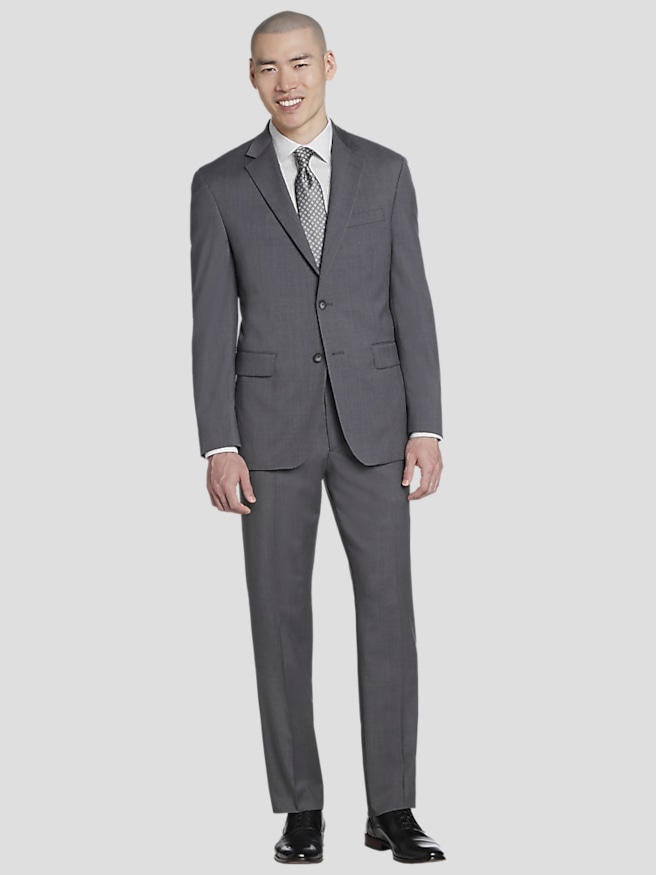
Men’s performance suits combine the structure of traditional tailoring with fabric features designed for movement, comfort, and easier upkeep. Depending on the fabric and construction, those features may include stretch, moisture-wicking properties, wrinkle resistance, or machine-washable care. The result is a category of suiting suited to days that involve more than standing still: walking between appointments, sitting through a presentation, reaching for a carry-on, or moving from a ceremony to a reception. Performance is not a single fabric or a promise that every suit offers the same benefits. Some fabrics blend wool with synthetic fibers for a tailored appearance and added resilience, while others use polyester, viscose, elastane, or other combinations to achieve a particular feel and degree of flexibility. Elastane can provide stretch, but the weave and construction also affect how freely a suit moves and how well it returns to shape. Two-way stretch generally provides give in one direction, while four-way stretch allows movement both across and along the fabric. Neither replaces proper fit. Moisture-wicking fabrics help move perspiration away from the skin toward the fabric’s outer surface, while breathability depends on factors such as fiber content, weave, and lining. Wrinkle-resistant construction can help reduce the creasing that comes from sitting or packing, although it does not make a suit wrinkle-proof. A smooth finish, a subtle texture, and a balanced drape keep these practical features visually understated. The appeal is still that of a suit: a defined shoulder, a clean jacket front, and trousers that create a continuous line. For someone who spends much of the day at a desk but regularly gets up to meet clients, that combination can offer a polished appearance without an unnecessarily restrictive feel. Fabric weight and lining matter, too, because a flexible outer fabric can feel less forgiving when paired with a tightly cut or less flexible interior.
Fit determines whether a performance suit feels comfortable in practice, not just when standing in front of a mirror. Slim, modern, and classic fits describe different silhouettes, but those labels can vary, making the actual relationship between the garment and the body more useful than the name alone. A well-fitting jacket rests neatly across the shoulders, allows the collar to sit close to the shirt collar, and closes without pronounced pulling across the chest or waist. Stretch can accommodate ordinary movement; it should not be doing the work of making an undersized jacket close. Sitting down, extending both arms forward, and bending the elbows reveal more about comfort than a stationary pose. The jacket lining and upper sleeves need enough room for those movements, particularly for someone with broader shoulders or developed arms. Trousers should sit securely at the intended waist position and remain comfortable through the seat and thighs when seated. A clean leg line does not require fabric to cling, and pockets should lie reasonably flat rather than flare outward. Hem length changes the overall impression: little or no break creates a sharper, more streamlined finish, while a slight break provides a more traditional appearance over dress shoes. Alterations can refine sleeve length, trouser length, and some aspects of shape, though not every construction detail can be changed easily. Durability also involves more than stretch. Fabric recovery, seam construction, lining quality, and reinforcement at frequently stressed areas all contribute to how a suit handles repeated wear. Everyday habits matter as well. Overfilled pockets can distort the jacket, and repeated friction from an overstuffed shoulder bag can place extra stress on the fabric. For frequent wear, allowing the suit to rest between outings and addressing small repairs promptly can help preserve its shape. A comfortable performance suit should look composed at the end of a meeting and still allow an easy stride on the way to the next one.
The intended occasion helps shape the color, styling, and level of formality. Navy, charcoal, and medium gray offer a versatile foundation for business settings, interviews, conferences, and many weddings, with the shirt, tie, and shoes adjusting the overall effect. A crisp dress shirt and a restrained tie maintain a professional appearance, while an open collar can suit an event where a more relaxed approach is welcome. Performance features do not change an occasion’s dress code, so a stretch suit is not automatically a substitute for formalwear when a specific style is required. For travel, wrinkle resistance and flexible fabric can be useful during long stretches of sitting, but careful packing still makes a difference. Leaving space around a folded jacket and unpacking it promptly helps limit unnecessary compression. School celebrations bring another practical use for tailoring that allows comfortable movement; Men's Homecoming Performance Stretch Suits connect that flexibility with a dressed-up occasion involving photographs, dinner, and dancing. Across these settings, care should follow the instructions for the particular garment rather than assumptions about the performance label. Some suits are machine washable, while others require dry cleaning, and the jacket and trousers may have specific handling requirements. A washable designation does not necessarily permit warm water, a vigorous cycle, or tumble drying. Heat can affect stretch fibers, linings, and the shaped construction that gives a jacket its form, so pressing and steaming also require attention to the care label. A broad, supportive hanger helps maintain the shoulder shape, while properly hung trousers are less likely to develop unwanted folds. Light brushing can remove surface dust, and prompt attention to marks can prevent them from becoming harder to address. With suitable fit and thoughtful care, performance tailoring brings useful flexibility to a wardrobe built around work, celebrations, and other occasions that call for a suit without calling for stillness.