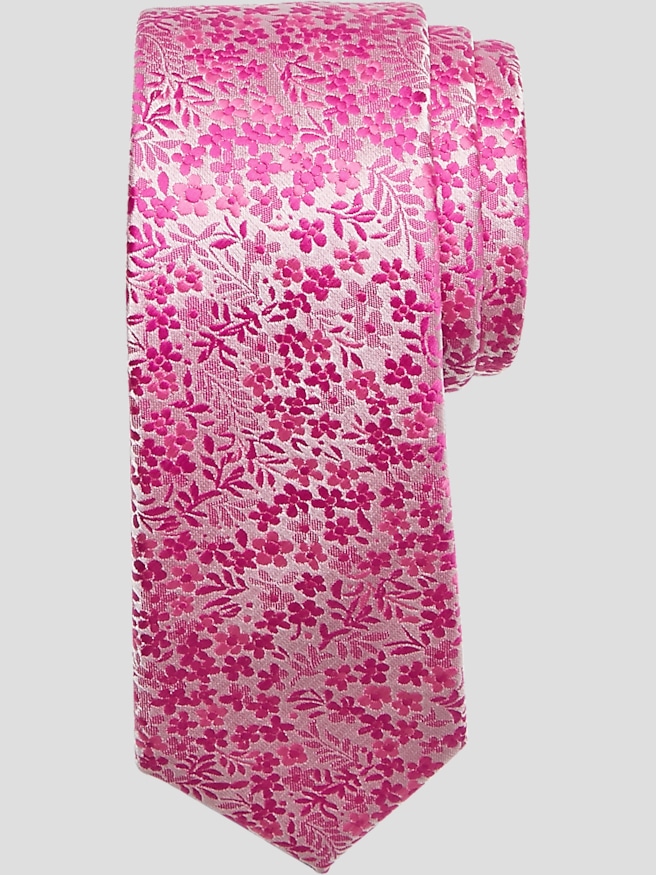
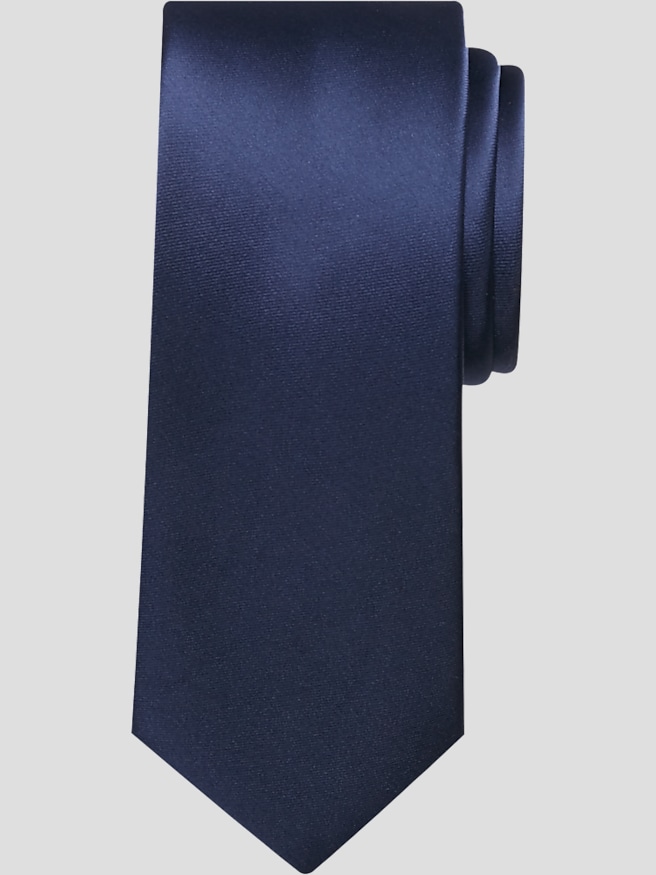
DECA event shirts and ties bring a professional finish to competition-day outfits, conference attire, and chapter presentations. A collared dress shirt in white or light blue provides a straightforward foundation, while a solid tie or a restrained stripe adds definition without competing with a name badge, blazer emblem, or presentation materials. The result is an outfit that keeps attention on the participant and the work being presented. For competitive events and sessions that call for business-professional dress, a neatly tucked shirt and carefully tied neckwear create a polished starting point; the specific conference or event dress code determines the complete requirements. Subtle patterns can also work well where permitted, especially when their scale stays small enough to look understated from across a table. A fine stripe or quiet texture adds interest beneath a solid jacket, while a plain shirt makes coordinating a patterned tie easier. Navy, burgundy, and deep blue neckwear pair naturally with common suit and blazer colors without looking overly elaborate. Fit matters as much as color. A shirt collar should close comfortably with the top button fastened, leaving enough room to turn the head and speak naturally without a visible gap beneath the tie knot. Shoulder seams should sit near the shoulder edges, and the body should stay smooth when tucked rather than pulling across the chest or bunching heavily at the waistband. Sleeves need enough length for reaching across a table or holding presentation notes without tugging at the cuffs. For students moving between a written exam, a role-play, and an awards session, those details help the same outfit remain comfortable and composed throughout a full schedule. A familiar, well-fitting combination also means less distraction from an uncomfortable collar or a shirt that repeatedly comes untucked, leaving more attention for introductions, conversations, and the presentation itself.
Fabric and construction shape how DECA dress shirts look, feel, and hold up to repeated use. Cotton offers a familiar hand and breathability, making it a practical consideration for extended periods of sitting, speaking, and walking between sessions. Cotton-blend fabrics may provide easier wrinkle management, while shirts with a modest amount of stretch can allow more movement through the shoulders and elbows. These characteristics vary by fabric and construction, so the material description and care label are more useful than assuming every dress shirt performs the same way. A smooth poplin weave gives a crisp appearance beneath a blazer, while a subtle twill introduces texture without relying on a bold pattern. An opaque fabric is especially helpful with a light-colored shirt, and a smooth, unobtrusive undershirt can keep the overall appearance consistent. Close, even stitching, firmly attached buttons, and well-finished collar and cuff edges are useful signs to consider when a shirt will be worn for multiple events. Neckwear brings its own material choices. Silk often has a soft drape and a natural sheen, while polyester can offer a durable alternative with care requirements that depend on its construction. A matte or lightly textured finish generally reads as restrained; a highly reflective surface or oversized motif can draw more attention than intended in a professional setting. Tie width works best when it feels proportionate to the wearer and the jacket lapels rather than noticeably narrow or broad. Length is equally important: the finished tip generally meets the belt buckle or waistband, with the narrow end tucked behind it. A compact knot complements many standard collars, while a wider collar opening may suit a slightly fuller knot. Whichever combination is chosen, the knot should sit neatly at the collar without forcing the points outward. Keeping the shirt pattern, tie pattern, and jacket texture in balance gives the outfit visual clarity, particularly when chapter participants are coordinating around a shared color rather than wearing identical clothing.
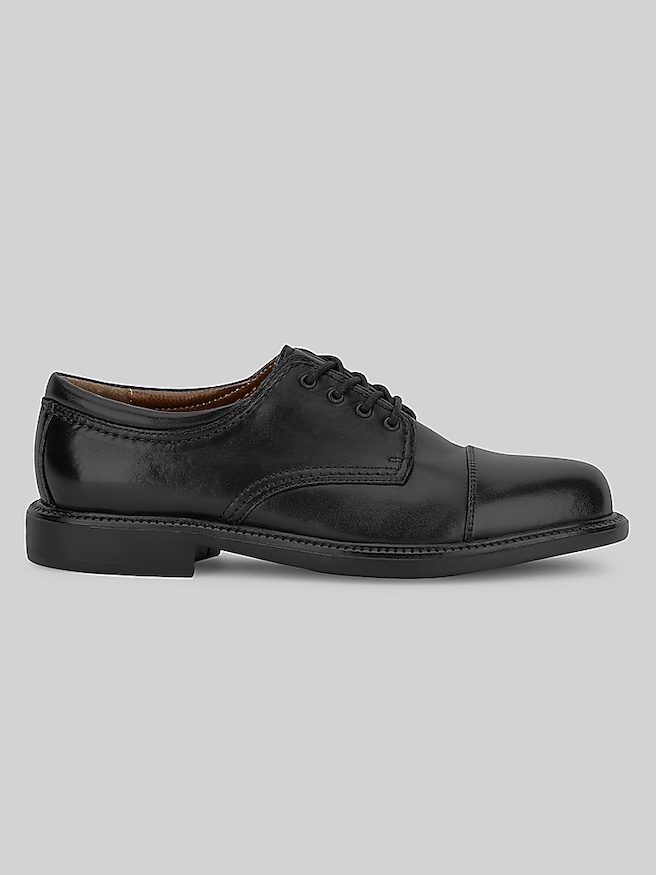
The usefulness of shirts and ties extends beyond a single DECA event. The same understated combination can support a scholarship interview, a campus visit with a professional meeting, an internship presentation, or a first job interview, making versatility worth considering alongside event-specific appearance. For a student building a professional wardrobe, a neutral shirt and adaptable tie can also make a thoughtful gift, especially when the shirt’s neck and sleeve measurements are known. Comfort is personal, and a fit check with the intended trousers and jacket reveals more than trying on the shirt by itself. Sitting down, bending the elbows, and reaching forward can expose tightness or excess fabric that is easy to miss while standing still. A complete outfit also benefits from coordinated footwear; DECA Event Shoes can help connect the shirt-and-tie combination with an appropriately polished finish. Care and packing help preserve that appearance between events. Shirts should be cleaned according to their labels, with particular attention to the collar and cuffs, where repeated wear is often most visible. Promptly hanging a clean shirt and pressing it at the recommended setting can reduce the need for last-minute touch-ups. Ties require separate care: gently untying the knot after wear, rather than pulling the narrow end through a tightened knot, helps avoid unnecessary strain. Stains need treatment appropriate to the fabric, and a tie should not be assumed machine washable simply because a shirt is. For travel, a garment bag or careful folding can limit hard creases, while keeping neckwear separate from rough fasteners helps protect its surface. Checking buttons, collar shape, and tie condition before departure leaves time to address small problems. These habits support repeat wear and keep DECA event shirts and ties ready for the next presentation, recognition ceremony, or professional introduction without making the outfit feel overly complicated.