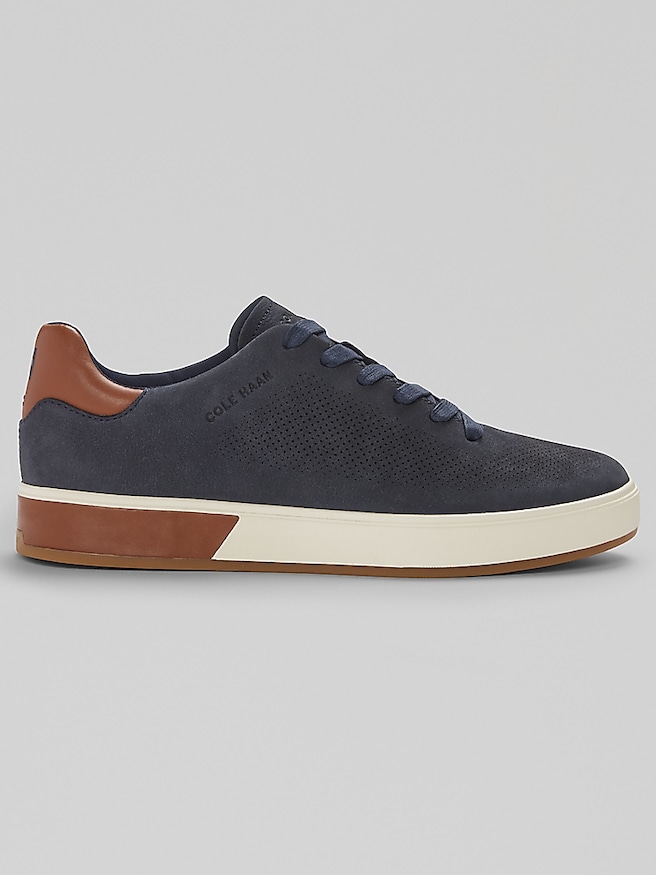
DECA event shoes should be conservative, closed-toe dress shoes that complement business-professional attire. For competitions, presentations, and formal conference activities, understated footwear helps create a polished appearance without drawing attention away from the participant’s preparation. Sneakers, sandals, slides, and open-toe shoes are not substitutes for business-professional dress shoes; the published dress code for the specific conference or activity determines what is permitted. Simple lace-up styles, including oxfords and streamlined derbies, provide a familiar foundation for a suit or other approved professional outfit. An oxford’s closed-lacing construction creates a particularly neat profile, while a derby’s open-lacing construction can offer more adjustment across the top of the foot. Either style looks professional when the shape is restrained, the finish is clean, and the details are subtle. Plain toes and modest cap toes keep the emphasis on the complete outfit rather than decorative stitching or oversized hardware. Black leather is a traditional companion to charcoal, gray, and navy tailoring, while dark brown can work well with navy and certain gray combinations when the event’s requirements allow it. A smooth finish generally blends more easily into formal business clothing than heavily distressed textures, conspicuous logos, or thick athletic-looking soles. The goal is a coordinated appearance that feels appropriate from the moment a participant enters a presentation room to the final conversation with a judge. For students taking part in role-plays, prepared presentations, team activities, or networking sessions, shoes need to support both that professional impression and the practical demands of a full schedule. A pair that looks balanced beneath dress trousers, stays secure while walking, and remains comfortable during standing conversations serves a clearer purpose than a dramatic style chosen only for photographs. Familiarity matters, too: footwear that has already been worn comfortably makes it easier to concentrate on an introduction, a presentation opening, or a judge’s follow-up question instead of an unfamiliar fit.
Materials and construction influence how DECA event shoes feel after several hours, not just how they look when first put on. Smooth leather uppers can soften with wear and respond well to routine conditioning and polishing, though their feel and flexibility vary with the leather and construction. Synthetic uppers may offer a consistent appearance and straightforward surface cleaning, but comfort and breathability depend on the particular material and lining. A soft lining, neatly finished interior seams, and cushioning beneath the heel and forefoot can make a noticeable difference during a schedule that includes corridors, stairways, and time spent waiting outside competition rooms. Cushioning should work with a stable fit rather than compensate for a shoe that is too large. The heel should feel secure without rubbing, the widest part of the foot should sit comfortably within the widest part of the shoe, and the toes should have room to rest naturally without pressing against the front. Dress shoes may look longer than casual shoes because of their toe shape, so appearance alone does not establish the correct size. Width and instep volume matter as much as length, especially for someone who finds that laces pull tightly across the top of the foot. The socks intended for the event also affect fit; a shoe tried with thick athletic socks can feel quite different with thinner dress socks. A short walk across a room may not reveal pressure that becomes obvious after repeated standing and walking. Several brief wears before an event can help confirm comfort and allow leather to flex, but persistent pinching, numbness, or significant heel movement points to a fit problem rather than something to tolerate. Underfoot, a well-finished outsole with suitable traction is useful on smooth indoor surfaces. Slim rubber soles can provide flexibility and grip, while leather soles offer a traditional appearance and may need particular attention to traction and wear. Secure stitching, an evenly attached sole, and tidy edges also contribute to a shoe that holds up beyond a single competition.
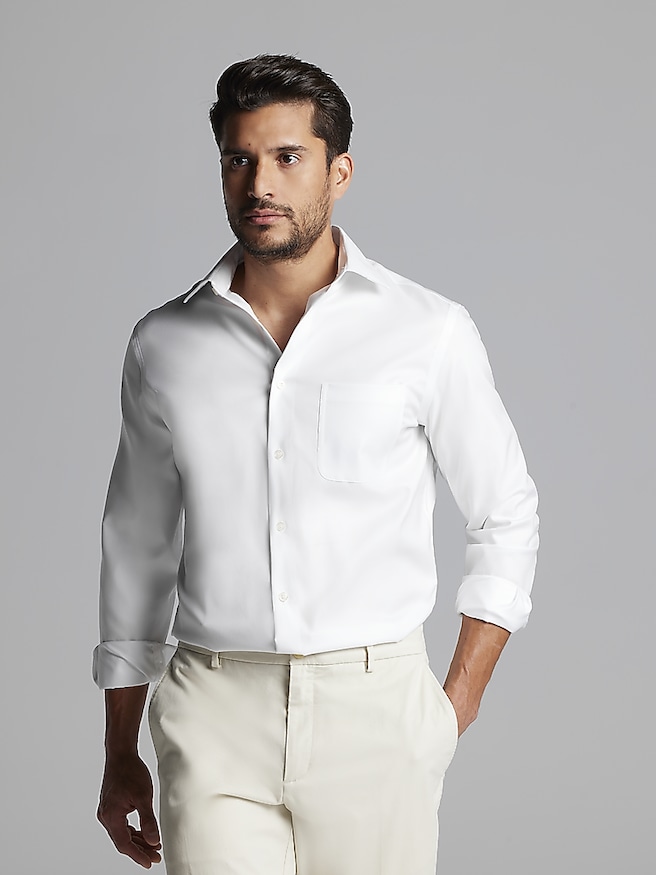
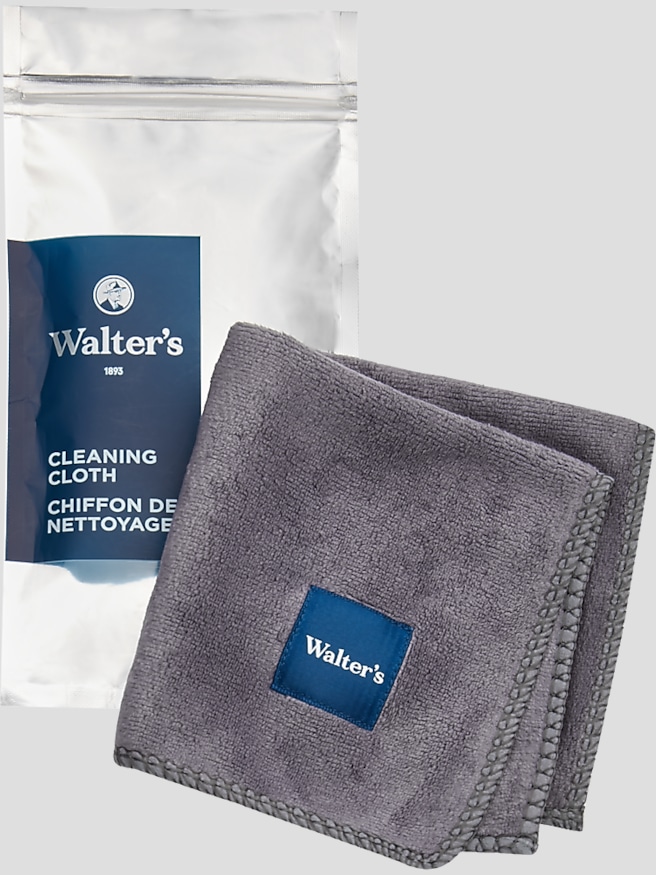
The strongest footwear choices work with the rest of a DECA outfit without making coordination complicated. Shoe color, belt color, trouser length, and sock choice all influence the finished appearance. A black belt with black shoes creates an easy visual connection; brown accessories generally look most cohesive when their tones are reasonably close, even if they are not identical. Dark dress socks that relate to the trousers keep the transition between the hem and the shoe understated, particularly when sitting across from a judge or stepping onto a stage. Trousers should fall cleanly over the shoes rather than gathering heavily around the ankles or hiding most of the upper. Coordinating footwear with DECA Event Shirts And Ties helps bring the outfit together, with restrained shoe details leaving room for a neatly tied necktie and a well-fitting shirt to complete the professional impression. Care is equally important because visible dust, dull patches, frayed laces, and worn heels can undermine otherwise careful dressing. Smooth leather benefits from gentle cleaning followed by a compatible conditioner or polish used according to its directions. Synthetic finishes require care suited to their surface rather than an assumption that every leather-care treatment will work. A soft cloth removes everyday surface dust, while shoe trees can help leather shoes retain their shape between wears. Packing shoes separately from dress clothing helps keep polish and debris away from fabric, and supporting the uppers during travel reduces unnecessary crushing. Time between wears allows the interior to dry fully, while prompt attention to loose stitching or uneven heel wear can help preserve comfort and durability. For a student preparing for a first major conference, well-fitting dress shoes can be a thoughtful gift when size and fit preferences are known. Their usefulness continues beyond DECA, extending to interviews, internship presentations, school recognition ceremonies, and other occasions that call for a composed, professional appearance.