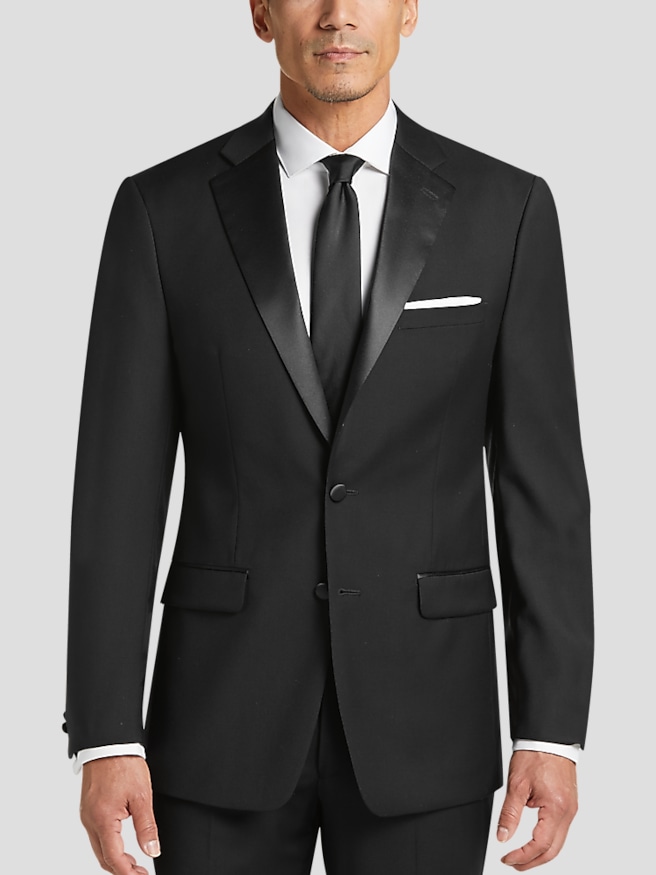
Date attire brings together clothing, shoes, and accessories that feel appropriate for the setting while leaving room for personal style. Men’s date-night outfits can range from a knit polo and chinos for a neighborhood restaurant to a tailored suit for an anniversary dinner with a dress code. The common thread is a considered appearance: clean lines, comfortable proportions, and pieces that work together without looking overly coordinated. A casual coffee date usually calls for less structure than an evening at the theater, but both benefit from clothing that fits well and looks cared for. An unstructured jacket over a fine-gauge knit offers a relaxed alternative to a full suit, while a button-front shirt with dress pants creates a polished look without requiring a tie. Texture helps these combinations feel distinctive. A subtly patterned shirt, softly textured jacket, or smooth knit can add depth to a simple outfit without competing for attention across the table. Navy, charcoal, brown, and muted earth tones are versatile foundations, with lighter or richer accents providing contrast near the face. Dark denim can suit an informal setting when the finish is clean and the venue permits it; tailored trousers make the same overall silhouette feel more dressed up. The right level of formality also depends on the plans surrounding the date. Clothing for dinner followed by a performance needs to feel comfortable through several seated hours, while an afternoon gallery visit may involve standing and walking between stops. A jacket that drapes neatly over the shoulders and pants that move easily help the outfit remain composed throughout either experience. Whether the occasion is a first meeting, a familiar Friday dinner, or a milestone celebration, date attire works best when it reflects how the wearer actually likes to dress. Familiar shapes and thoughtful finishing touches tend to feel more natural than an outfit built entirely around an unfamiliar look.
Fabric, fit, and construction determine much of how date-night clothing looks and feels after the first impression. Cotton shirting offers breathability and a crisp appearance, although some weaves show creases more readily than others. Oxford cloth has a visible texture that works well in relaxed combinations, while smoother shirt fabrics often complement tailored jackets and dress pants. Wool is valued in suiting for its drape, resilience, and ability to recover from light wrinkles between wears. Fine-gauge knits provide a softer surface beneath a jacket, with less bulk around the arms and chest than heavier knits. Blended fabrics may add stretch or simplify care, but fiber content alone does not establish quality; the weave, weight, stitching, and finishing all contribute to performance. Well-fitting clothing should follow the body without pulling across it. A shirt placket that lies flat, jacket lapels that rest against the chest, and a waistband that stays comfortable while seated are useful signs of balanced proportions. Shoulder seams should sit close to the natural shoulder rather than drooping noticeably or restricting movement. Through the seat and thighs, enough ease for walking and sitting helps pants maintain a clean line instead of straining at the pockets. Trouser length matters, too: a slight break creates a traditional finish, while a cleaner hem can feel more streamlined, provided the proportions work with the shoes. These details are especially noticeable when an outfit is simple. Durability also depends on everyday habits. Following the care label, treating marks promptly, and allowing garments to air between wears can help preserve their appearance. Suitable hangers support jacket shoulders, while knits generally keep their shape better stored folded. Pressing or steaming should match the fabric’s care requirements rather than relying on one method for everything. Clothing that receives appropriate care is easier to wear repeatedly, whether it becomes part of a regular dinner rotation or is reserved for more dressed-up plans.
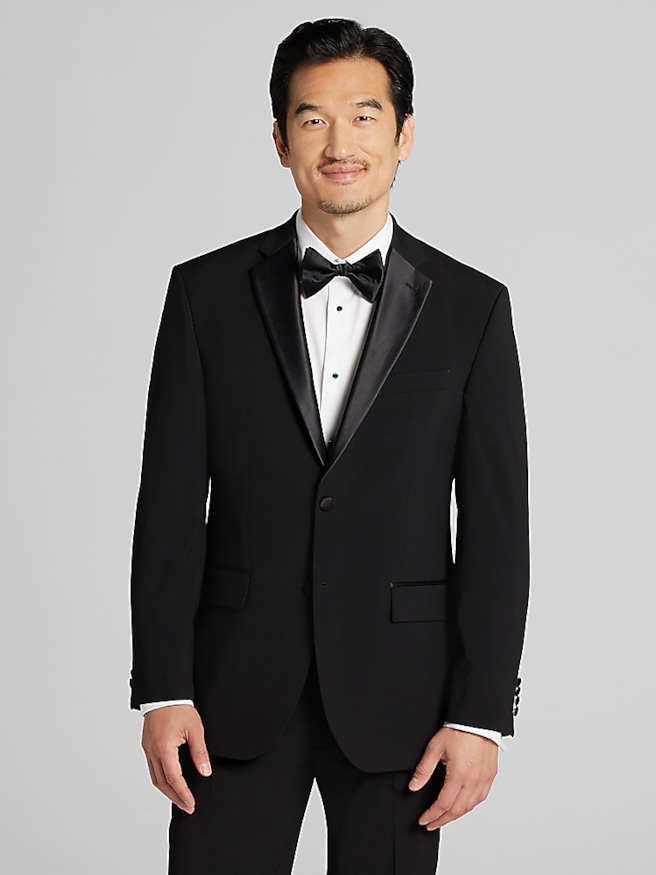
Shoes and accessories give date attire its final character, but they work best when they support the clothing rather than dominate it. Leather loafers can bridge tailored and relaxed pieces, lace-up dress shoes bring sharper definition, and understated sneakers may fit a genuinely casual venue. Comfort remains important: a handsome pair that pinches during a walk from dinner to dessert can become the most memorable part of the evening for the wrong reason. Clean uppers, cared-for leather, and soles suited to the planned activity matter as much as the shoe style itself. A belt in a compatible leather tone creates continuity without requiring every finish to match exactly. Socks can blend with the trousers for a quieter effect or introduce a restrained pattern that appears only when seated. A tie adds formality when the occasion warrants it, while an open shirt collar can look intentional when it sits neatly inside the jacket. Pocket squares offer another small point of interest, particularly when their texture or color complements the outfit rather than duplicating the tie. For an invitation that specifies black tie, Black Tie Attire follows a more defined dress code, traditionally centered on a tuxedo, formal shirt, bow tie, and appropriate formal footwear. That distinction matters for a gala date or similarly formal celebration, where an ordinary dinner outfit would not meet the stated expectations. Beyond special events, versatile separates make date-night dressing more personal: the same trousers can feel relaxed with a knit polo or more refined with a jacket and collared shirt. Accessories can also make thoughtful birthday or anniversary gifts when the recipient’s taste is familiar, especially when sizing is straightforward. Ultimately, the strongest date-night wardrobe supports conversation, movement, and the occasion itself, with enough polish to show care and enough comfort to let the wearer settle in and enjoy the company.