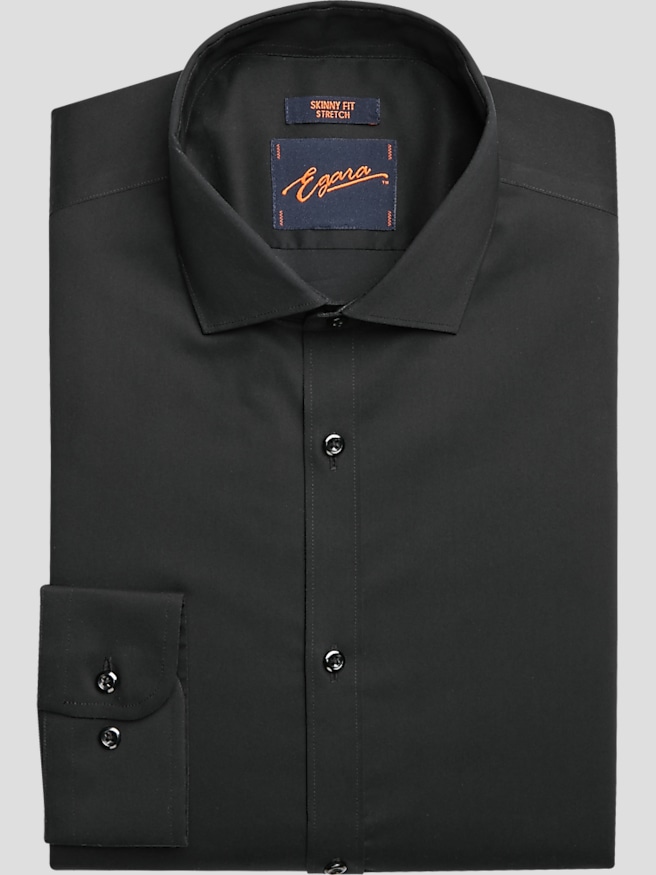
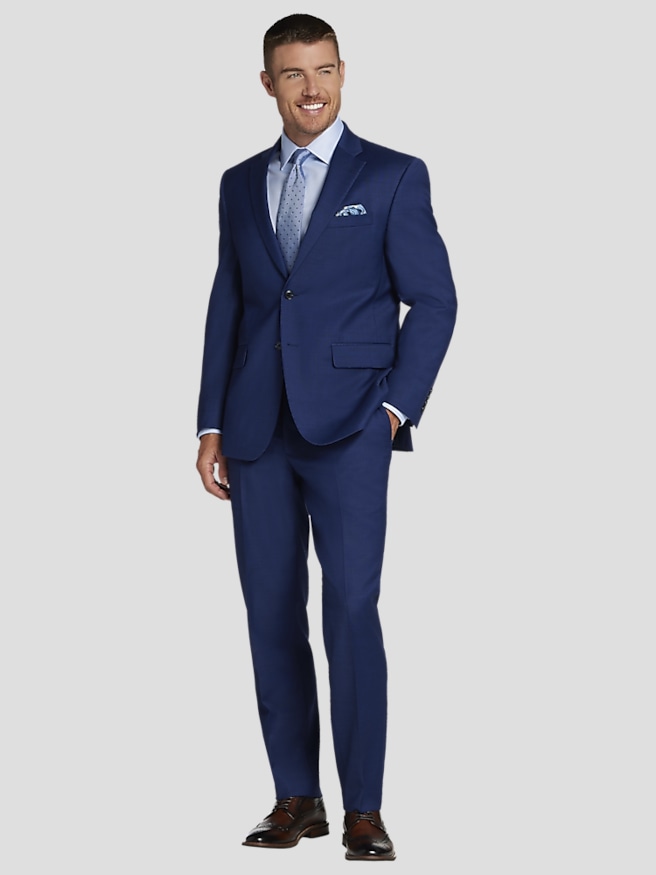
Night out attire for men ranges from polished casual clothing to tailored evening looks, with the right level of formality depending on the venue, dress code, and occasion. A dinner at a neighborhood restaurant calls for a different impression than a cocktail lounge, theater performance, or celebration with a dress requirement. Across those settings, the common thread is clothing that looks intentional while remaining comfortable enough for a full evening. Dark denim with a clean finish, tailored trousers, button-front shirts, fine-gauge knits, and structured jackets all have a place in that range. A collared shirt worn open at the neck can feel relaxed without looking unfinished, while a jacket adds definition through the shoulders and gives a simple outfit more presence. For an upscale dining room, smooth trousers and polished leather footwear create a sharper impression than heavily distressed fabrics or athletic details. At a concert or a casual bar, understated denim and a textured shirt may feel more natural than a complete suit. Black, charcoal, navy, and deep brown provide an easy foundation, while burgundy, muted green, or a subtle pattern can bring personality without competing with the rest of the look. Color is only part of the effect: a matte shirt beside a softly textured jacket creates depth, even when both pieces sit within a narrow palette. Under restaurant lighting, those differences in texture can be more noticeable than a bold print. Clothing associated with Date Attire often strikes a similar balance between looking put together and feeling at ease, whether the evening involves a first meeting over dinner or a familiar table for an anniversary. For plans that move from a meal to another venue, coordinated separates offer flexibility without making the outfit feel overly formal. The result should suit the setting and the person wearing it, rather than look like a costume borrowed for the evening.
Fit shapes that impression as much as color or fabric. A jacket should follow the shoulders without extending noticeably beyond them, and its sleeves should allow the hands to move freely. Through the chest and waist, a clean line looks more polished than either excess fabric or visible pulling around the buttons. Shirts need enough room for sitting, reaching across a table, and moving through a crowded room; strain across the chest or a collar that presses into the neck can become distracting over several hours. Trousers with a comfortable rise and a smooth seat help an outfit retain its shape when standing and sitting. A narrow leg can look sleek, but it still needs enough space through the thigh and knee for an easy stride. Hem length matters, too: fabric pooling heavily over the shoes can make an otherwise tailored look appear less deliberate. Material choices influence both appearance and wear. Cotton shirting offers familiar comfort and a crisp surface, while twill and Oxford weaves introduce more visible texture. Fine wool trousers can provide fluid drape and some natural resistance to wrinkling, making them useful for evenings that include a long dinner or time seated at a performance. Knits offer softness and flexibility, with finer gauges generally sitting more smoothly beneath a jacket. Fabrics blended with stretch can support movement, although a small amount does not replace a well-proportioned fit. Smooth, lightly lustrous surfaces tend to read as dressier than rugged, heavily washed finishes. Durability depends on more than fabric weight: secure seams, neatly finished buttonholes, and fabric that recovers after movement all contribute to repeat wear. Areas that receive frequent friction, including cuffs, elbows, and pocket edges, deserve attention when evaluating construction. For someone who goes out often, versatile clothing with dependable construction can form a lasting foundation, with changes in shirts, footwear, and accessories giving familiar pieces a distinct character.
Finishing details help night out clothing feel complete without making every element compete for attention. Leather shoes with a clean profile lend polish to tailored trousers, while streamlined casual footwear can work with more relaxed combinations when the venue permits it. Comfort matters beyond the first few steps: a secure heel, adequate room through the toes, and a sole suited to walking can make the difference between enjoying the evening and thinking about sore feet. A belt that relates to the color and character of the shoes creates continuity, though the finishes do not need to match perfectly. A watch, a restrained pocket square, or a single patterned accessory can provide a focal point against quieter clothing. Too many glossy surfaces or competing patterns can distract from an otherwise strong outfit, especially in a close conversation across a small table. Practical details matter just as much. Pockets that hold essentials without bulging preserve the line of a jacket or trousers, and a shirt that stays neatly tucked helps maintain a composed appearance through dinner and the trip home. Care also plays a role in how well evening clothing wears over time. Following each garment’s care label, treating marks promptly, and using an appropriate hanger help protect fabric and shape. A steamer can soften light wrinkles when the fabric permits it, while careful pressing restores crisp details where needed. Jackets benefit from airing between wears, and shoes retain a neater appearance with routine cleaning and care suited to their material. These considerations also make night out clothing a thoughtful gift for a partner, friend, or family member who enjoys dinners, performances, and celebrations. Familiarity with the recipient’s measurements, preferred fit, and usual destinations makes the gesture more personal. Whether worn for a milestone evening or a spontaneous reservation, well-chosen attire supports the occasion without becoming the focus of it.