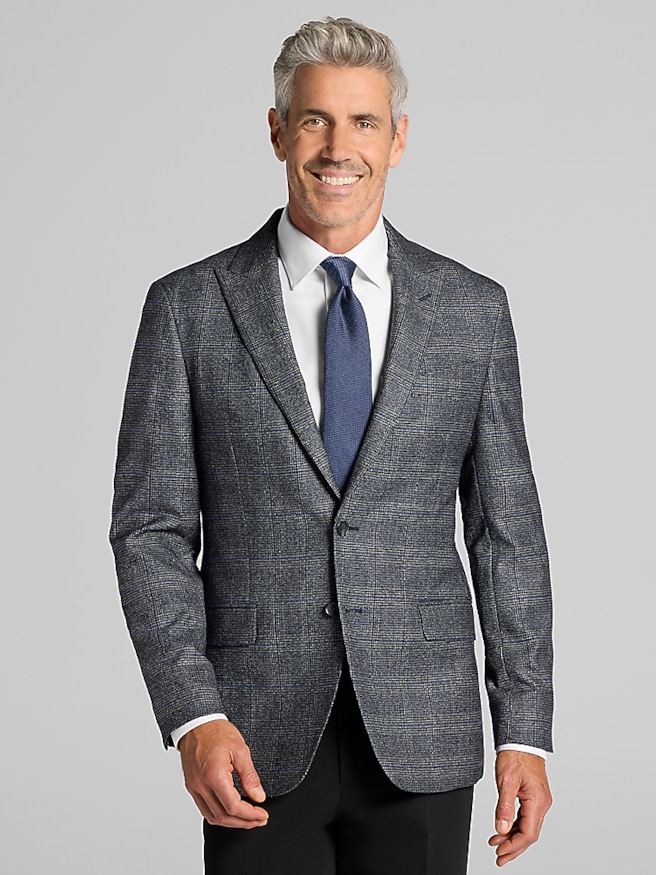
Night out outfits for men balance the setting’s dress code with a comfortable fit and a clear sense of personal style. A button-down shirt with dark denim or tailored trousers suits many bars, casual dinner spots, and live-music venues, while a blazer and dress pants bring a more polished feel to an upscale restaurant or cocktail lounge. An all-black outfit offers another versatile direction, with differences in fabric texture keeping the look from feeling flat. The distinction is often in the details: a clean collar, pants that fall neatly over shoes, and a jacket that sits smoothly across the shoulders. Clothing for an evening out should also make sense once the evening gets moving. A seated dinner calls for trousers that remain comfortable at the waist, while a concert or an evening of dancing puts more emphasis on freedom through the shoulders, hips, and knees. For a date that begins at a restaurant and continues at a neighborhood bar, a softly structured blazer over an open-collar shirt can feel appropriate in both places. A knit polo with tailored pants offers a more relaxed alternative without looking like an afterthought. Birthday dinners, anniversary celebrations, rooftop gatherings, and nights at the theater each allow a slightly different level of expression, from understated neutrals to richer colors and subtle patterns. The venue’s stated dress code matters more than a broad label such as “going out,” especially where jackets, collared shirts, or particular footwear are expected. Smart-casual outfits generally sit between everyday casual clothing and formal eveningwear, combining relaxed elements with sharper finishing details. That balance leaves room for individual taste: dark jeans and a textured shirt can look deliberate without becoming dressy, while coordinating trousers and a jacket can feel refined without requiring a full suit. The strongest combinations look connected rather than overly matched, with enough ease to enjoy the evening instead of constantly adjusting a cuff, collar, or waistband.
Fabric and construction play a large part in how evening clothing looks and feels after several hours of wear. Cotton shirts offer familiar softness, and tightly woven fabrics can create a crisp appearance that works well beneath a jacket. Oxford cloth has a more visible texture and a relaxed character, while smoother shirt fabrics tend to read as dressier. Knit shirts and polos bring flexibility and a softer outline, making them useful for settings where a traditional dress shirt would feel too formal. Wool and wool-blend trousers can provide a clean drape, while cotton twill offers a more casual finish. Dark denim contributes structure and visual depth; minimal fading and restrained detailing usually make it easier to pair with tailored clothing. Stretch can add comfort, but the garment’s cut still needs to suit the body rather than relying on elasticity to compensate for a tight fit. A shirt should allow easy arm movement without pulling across the chest, and its collar should lie comfortably whether worn open or buttoned. Shoulder seams that sit near the natural shoulder help create a clean shape, while sleeves that finish around the wrist keep cuffs from bunching over the hands. Trousers need room through the seat and thighs, with a waistband that stays comfortable when sitting. A tapered leg can look streamlined, but an extremely narrow opening may catch on footwear and interrupt the line of the pants. Jackets benefit from a smooth collar, balanced lapels, and enough room to close without obvious strain. Texture adds interest without requiring a loud pattern: a fine knit against smooth trousers, a subtle weave beneath a solid jacket, or matte denim beside polished leather. For clothing worn repeatedly, secure buttons, even seams, and well-finished edges are useful signs of thoughtful construction. Fabrics that recover their shape after sitting and moving can help an outfit retain its intended silhouette throughout a long dinner, a standing reception, or several hours spent between venues.
Color, footwear, and finishing details give night out clothing much of its character. Navy, charcoal, black, olive, and deep brown provide adaptable foundations, while a lighter shirt can create contrast around the face. A darker shirt with dark trousers creates a continuous line, especially when the fabrics have enough variation to remain distinct. Small-scale patterns can add personality beneath a solid jacket without competing with every other element. Footwear changes the overall impression just as noticeably: leather loafers and lace-up dress shoes tend to sharpen an outfit, while clean, understated sneakers may suit more relaxed venues that permit them. Comfort depends on the shoe’s fit and the evening’s plans, particularly when standing through a performance or walking between dinner and a nearby lounge. A belt with a restrained buckle, a watch, or a neatly folded pocket square can finish a look without making it feel crowded. Not every outfit needs every accessory, and leaving an open collar free of extra detail can be just as intentional. For related combinations with a similarly straightforward approach, Easy Outfits For Men offers another point of reference. Keeping evening clothing looking sharp also depends on care between wears. The garment’s care label should determine washing, drying, and professional cleaning, since shirts, knitwear, denim, and tailored pieces can have very different requirements. Prompt attention to spills helps prevent marks from becoming harder to remove, while a gentle garment brush can lift surface lint from suitable fabrics. Jackets retain their shape better on supportive hangers, and trousers benefit from hanging neatly rather than remaining folded over a chair. Knitwear is often best stored folded to avoid stretching at the shoulders. Shoes also benefit from surface cleaning appropriate to their material and time to dry fully before another wear. These habits support repeat use, making a dependable evening outfit feel considered each time it leaves the closet, whether the occasion is a low-key dinner or a celebration with a more polished dress code.