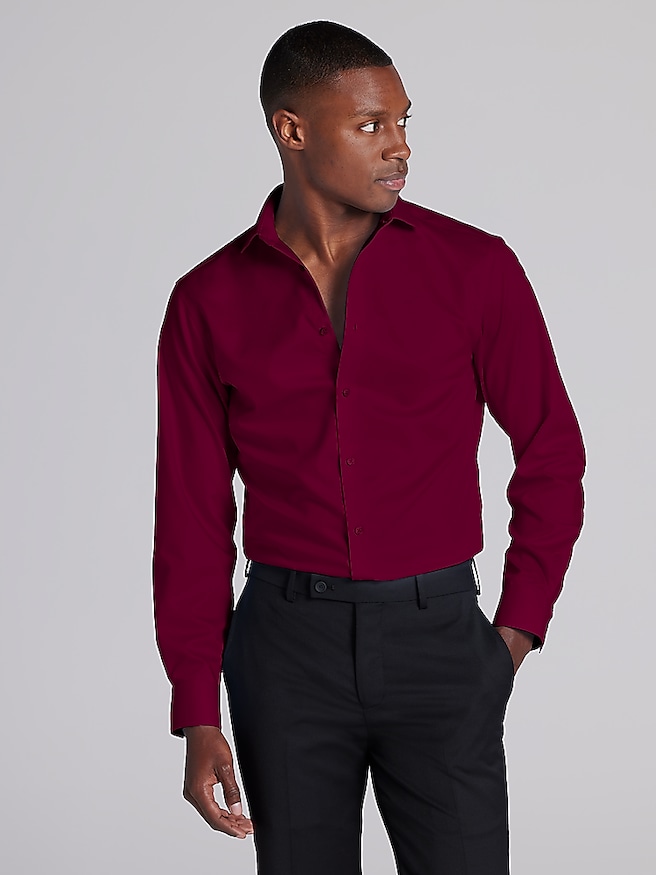
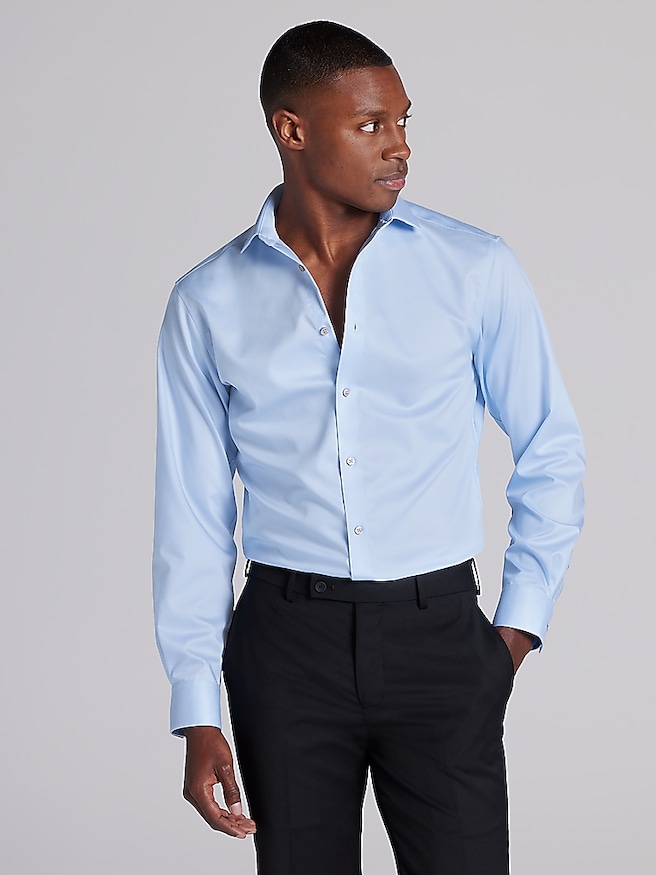
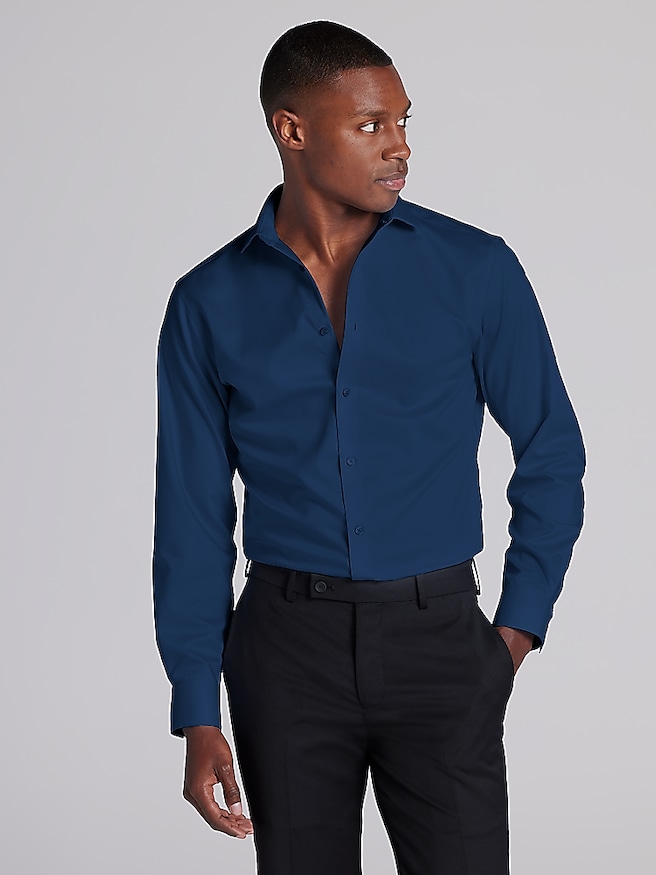
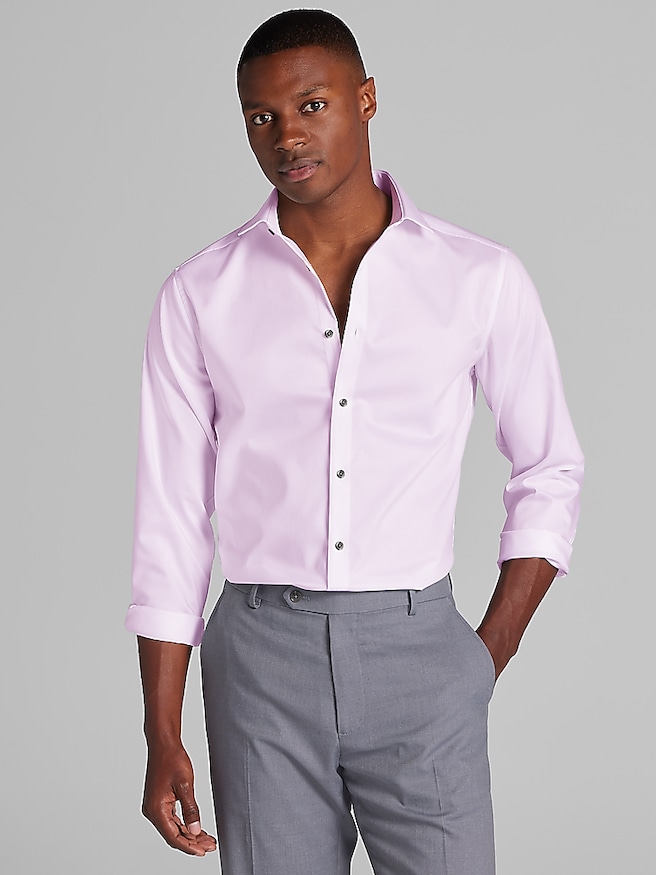
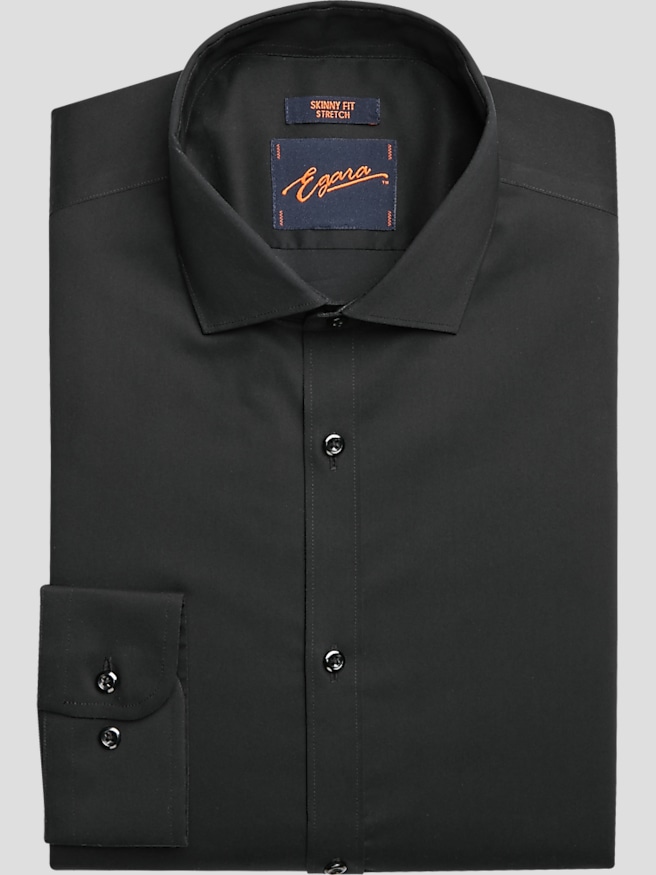
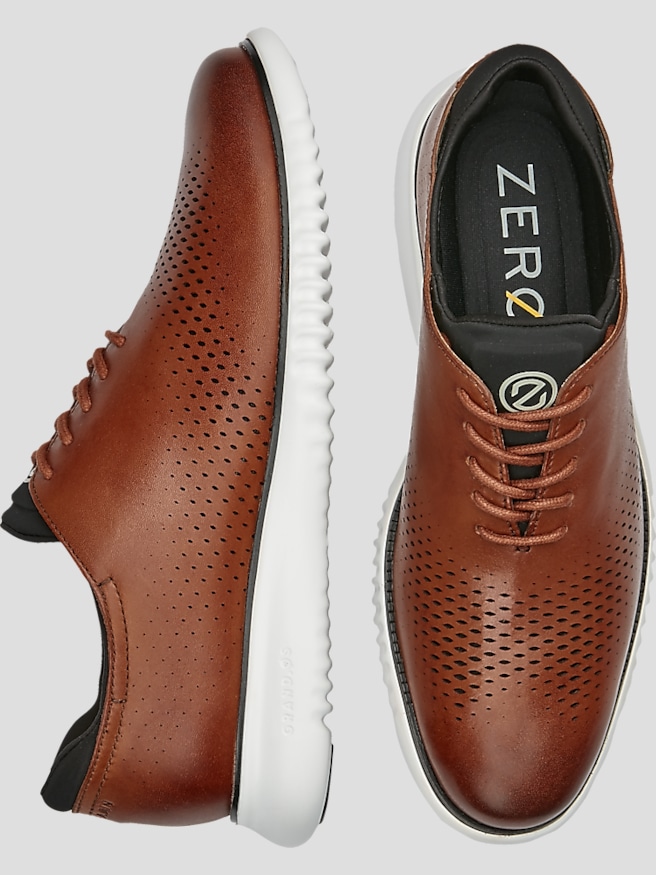
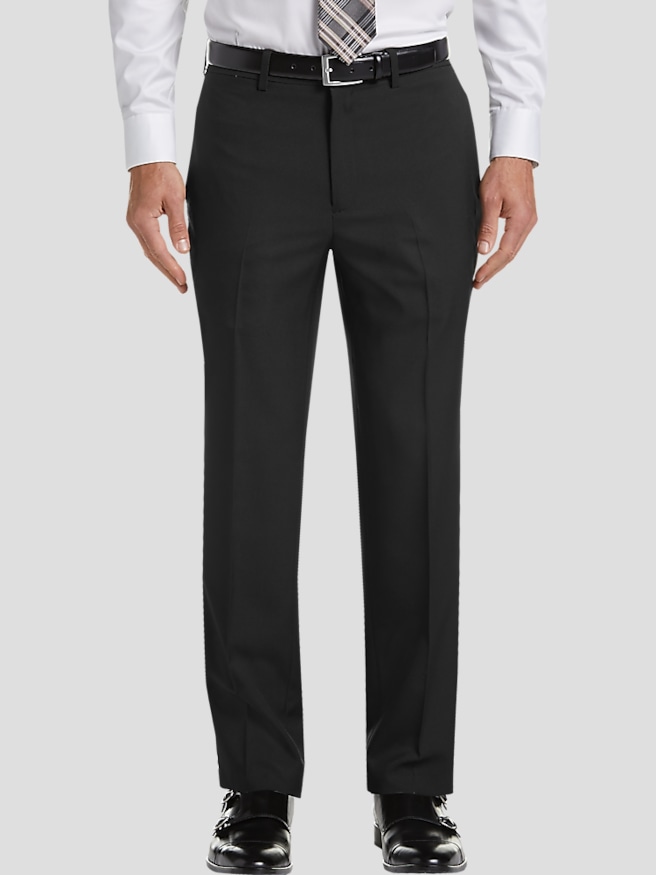
Men’s clothes for going out bring together a polished appearance, comfortable movement, and enough personality to feel at home beyond the everyday routine. The category spans smart-casual clothing for dinner dates and neighborhood bars, sharper separates for rooftop lounges and theater visits, and tailored looks for venues with a more formal dress code. A button-down shirt with dark jeans or chinos sits comfortably in the middle: put-together without the ceremony of a full suit. Dark trousers and a blazer create a more refined impression, while a clean crew-neck shirt beneath an overshirt offers an easygoing alternative for casual settings. The distinction often comes down to proportion, fabric, and finish rather than how many layers an outfit includes. An even hem, a collar that holds its shape, and pants with a clean line can make understated clothing feel intentional. Navy, charcoal, black, and deeper earth tones provide a versatile foundation, with textured fabrics or a restrained pattern adding interest without overwhelming the look. A tonal combination can appear sleek under subdued restaurant lighting, while a contrasting shirt brings definition to darker pants and a jacket. Footwear helps establish the level of formality: leather loafers complement tailored separates, streamlined boots give dark denim a sharper edge, and clean, minimal sneakers suit relaxed venues that permit them. Restaurant and club dress codes vary, so clothing that works at a casual cocktail bar may not meet the expectations of a more formal dining room. For occasions that call for a step beyond smart casual, Dressy Clothes for Men reflects the more polished side of evening dressing. The strongest going-out looks feel connected from collar to shoe, whether the plan is a quiet dinner for two, an evening performance, or a birthday gathering with friends. They leave room for individual taste without making the outfit feel separate from the occasion.
Fabric and fit determine how going-out clothing feels through an entire evening, not just how it looks before leaving home. Cotton shirting offers a familiar, comfortable hand, with smooth weaves giving a crisper impression and textured weaves creating a more relaxed finish. Oxford cloth has visible texture and body, while poplin generally looks smoother and less substantial; either can work for an evening out depending on the cut and styling. Knit tops bring softness and flexibility, especially beneath a jacket, although a neckline that lies flat and a hem that keeps its shape help preserve a neat appearance. Wool trousers and tailoring are valued for their drape and ability to recover from some creasing, while fabric blends can combine softness, shape retention, and easier maintenance. A small amount of stretch may improve comfort when sitting through dinner or moving across a dance floor, but fiber percentages alone do not determine how a garment will perform. Weave, fabric weight, and construction matter, too. Dark denim with an even finish tends to read as more polished than heavily distressed denim, and chinos offer a middle ground between jeans and dress trousers. Fit should support the intended silhouette without restricting ordinary movement. A close-fitting shirt can look sharp, but pulling between buttons or across the upper back usually interrupts that clean line. Jacket shoulders should sit naturally, sleeves should allow comfortable bending, and pants should stay secure at the waist without relying on an overtightened belt. Slim, straight, and more relaxed cuts can all look appropriate for going out when their proportions work with the rest of the outfit. Trousers that skim rather than grip the leg often remain comfortable through seated conversations and standing receptions alike. The amount of fabric resting over the shoe also affects the finish: a modest break feels traditional, while little or no break creates a cleaner outline. Small alterations to sleeve length or trouser hems can make familiar clothing look noticeably more considered.
Going-out clothes earn their place through repeated use, particularly when the same separates can move between dinner reservations, live music, social gatherings, and evenings that begin immediately after work. A collared shirt and tailored pants can remain understated at the office, then feel ready for a restaurant with a change of shoes or the addition of a jacket. For a concert with standing room, flexible fabrics and clothing that permits easy movement may matter more than elaborate styling. For an anniversary dinner, a smooth shirt, well-draped trousers, and carefully maintained footwear can provide the sense of occasion without excessive detail. Accessories work best when they reinforce that balance. A leather belt with a simple buckle, a watch, or a pocket square can add definition, while too many competing finishes can distract from the clothing itself. Practical details also affect wear: secure buttons, evenly finished seams, reinforced stress points, and pockets that lie flat support both durability and appearance. Overfilled pockets can change the line of otherwise well-fitting pants or a jacket, particularly in lighter fabrics. Care requirements deserve attention because going-out clothing often combines materials with distinct needs. The garment’s care label is the starting point for washing, drying, pressing, or professional cleaning; not every blazer needs the same treatment, and not every button-down tolerates the same dryer setting. Prompt attention to spills, appropriate hangers for structured jackets, and folding knits that could stretch on a hanger help protect shape and finish. Dark fabrics may retain their depth longer with gentle laundering when the label permits it, while pressing or steaming should follow the material’s recommended settings. Shoes benefit from material-appropriate cleaning and time to air out between outings. As gifts, versatile shirts, knitwear, and accessories can suit someone who enjoys dinners out or wants a more polished social wardrobe, especially when size, preferred fit, and care habits are known. Lasting appeal comes from clothing that feels comfortable, coordinates naturally, and still looks like the person wearing it.