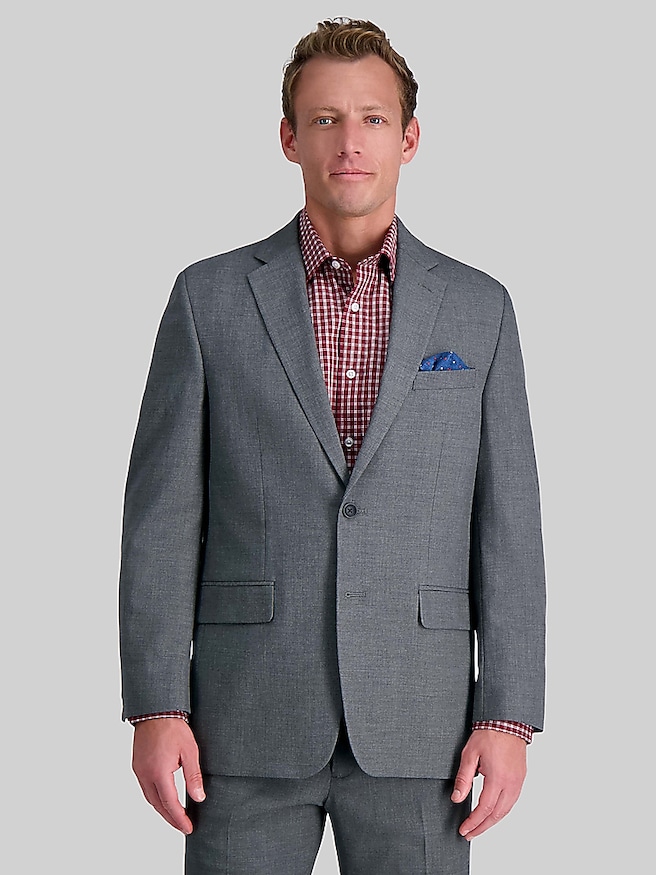
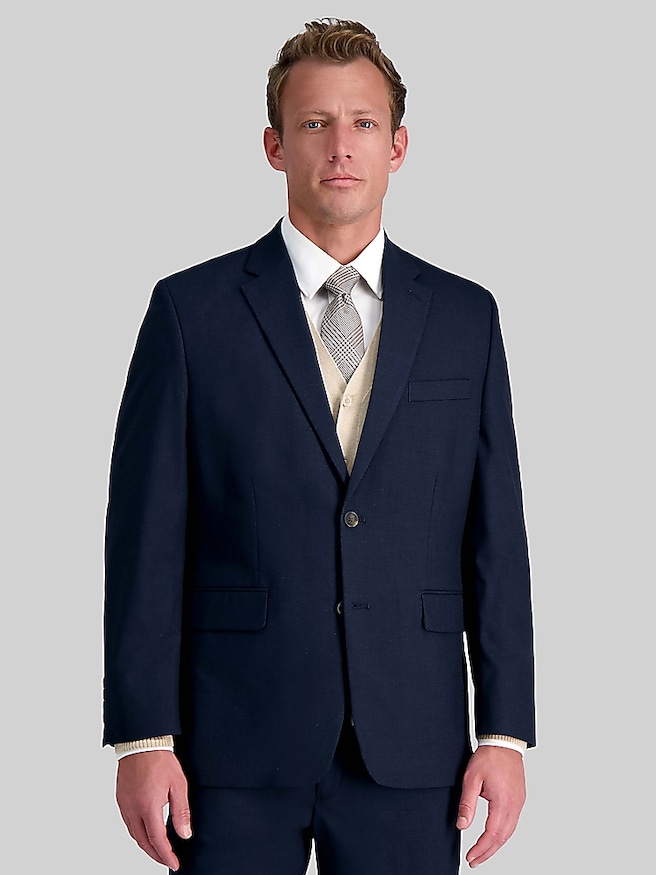
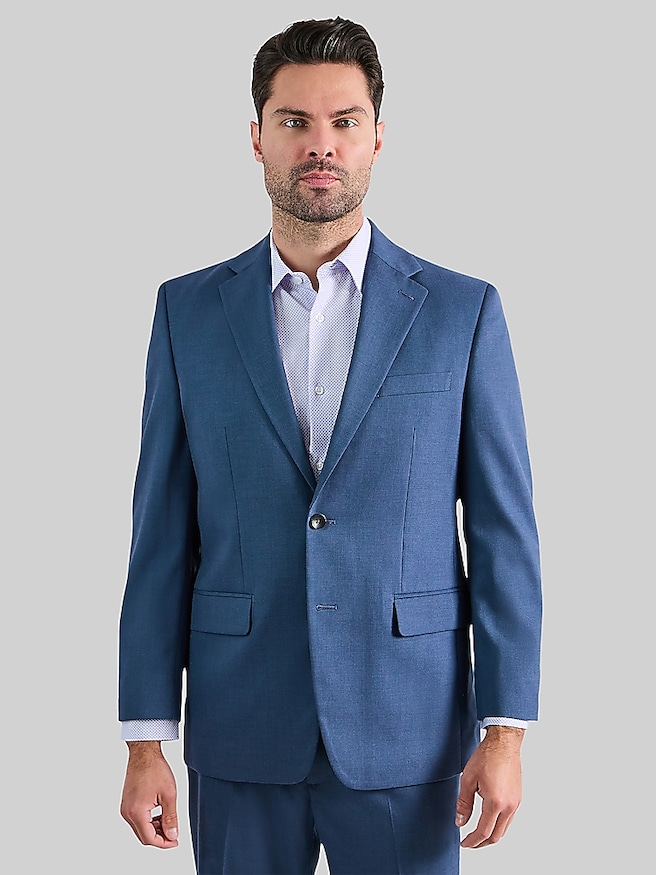
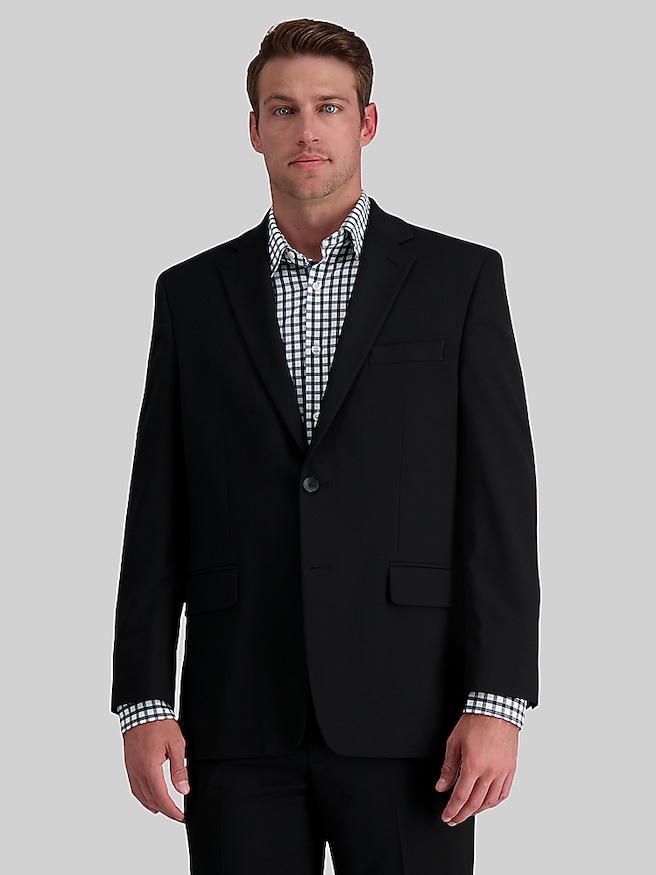
Plaid suits bring pattern and personality to tailored dressing without giving up the clean lines that make a suit feel polished. Within the Cyber Monday plaid suit theme, the appeal lies in the variety of ways a checked pattern can work: a quiet charcoal grid reads differently from a broad blue windowpane, even when both share a similar silhouette. Glen plaid combines small checks into a larger repeating design, creating texture that becomes more noticeable up close. Windowpane patterns leave more open space between lines, giving the cloth a bolder, more graphic appearance. An overcheck adds another layer of color, sometimes subtle enough to register only when paired with a shirt or tie that picks up the same shade. These distinctions matter in everyday settings. For someone presenting to clients, a low-contrast plaid can add depth while keeping the overall impression restrained. For a wedding guest, an anniversary dinner, or an evening reception, a larger check can make the outfit feel more expressive without relying on bright accessories. Navy, gray, and brown foundations offer familiar starting points, while the color and spacing of the crossing lines help determine how prominent the pattern feels. A fine check may look nearly solid across a conference table; a widely spaced plaid remains visible from the other side of a room. That balance makes plaid useful for people who already wear solid suits and want something with a distinct character, as well as those choosing tailoring for milestone occasions. A coordinated jacket and trousers create a continuous visual rhythm, so the suit itself supplies much of the outfit’s interest. A plain shirt, a textured tie, and thoughtfully maintained shoes can be enough to finish the look. The result can feel traditional, contemporary, reserved, or confident depending on the scale of the plaid, the shape of the tailoring, and the details worn alongside it. It is that range, rather than any single dress code, that gives plaid suiting its lasting place in a wardrobe.
Fabric and fit determine whether that visual appeal translates into a suit that feels comfortable through a full day. Wool is valued in tailoring for its drape, resilience, and ability to release ordinary creases with rest between wears. Finer, smoother wool cloth gives a plaid a crisp outline, while a more textured weave can soften the pattern and lend the suit a less formal character. Blended fabrics may combine wool with fibers chosen for strength, stretch, or ease of maintenance, though the fabric label and care instructions provide a better picture than the fiber name alone. A small amount of stretch can support movement, but it does not replace enough room through the shoulders, seat, and thighs. For a day that includes driving, sitting through a ceremony, and standing at a reception, those points of comfort matter as much as the view in a mirror. The jacket shoulders should follow the body without collapsing at the edges or extending so far that the sleeves lose their shape. With the jacket fastened, the front should lie smoothly rather than pull into pronounced lines around the button. Lapels should rest against the chest, and the collar should sit neatly behind the shirt collar. Slim tailoring brings the silhouette closer to the body; a roomier cut offers more ease while still looking intentional when the proportions are balanced. Trousers should hang cleanly from the waist, with pockets that stay relatively flat and enough space to sit without strain. The hem can have a slight break or a cleaner, shorter finish according to preference, provided both legs fall evenly. Plaid makes these relationships especially visible because its lines reveal pulling, twisting, and uneven drape. Pattern alignment at prominent points, such as the jacket front and pockets, can also contribute to a considered finish, although alignment varies with garment construction. Alterations are most useful for refining sleeve length, trouser length, and manageable adjustments through the body; choosing an appropriate shoulder fit at the outset is particularly important.
Styling a plaid suit often works best when the supporting pieces give the pattern room to stand out. A white or pale blue shirt creates a clear backdrop, while a solid tie can draw attention to one color in the check without repeating the entire design. Mixing patterns is possible, but noticeable differences in scale help keep the combination legible: a small, closely spaced shirt stripe is less likely to compete with a broad windowpane than another pattern of nearly identical size. Smooth leather lace-ups reinforce a businesslike impression, while understated loafers can suit occasions with a more relaxed dress code. The invitation and setting still come first; a plaid business suit is not automatically a substitute for formal evening attire. For occasions that call for a patterned jacket with contrasting trousers instead of a matching suit, Cyber Monday plaid sport coats offer a related approach to tailored dressing. Keeping a suit looking sharp over time depends on consistent, measured care rather than frequent cleaning. Follow the garment’s care label, address spills promptly using an appropriate method, and avoid rubbing a mark deeper into the fibers. A clothing brush can lift surface dust, and a broad, shaped hanger helps support the jacket shoulders between wears. Trousers benefit from being hung neatly to preserve their line and reduce unnecessary folds. Let the fabric air out before returning it to the closet, leave enough space to prevent crushing, and use professional pressing or suitable steaming methods when needed. Excessive heat or pressure can leave shine on some fabrics, making careful treatment especially important on dark grounds. Rotating suits gives cloth time to recover and reduces repeated stress at the elbows, knees, and seat. As a gift, a plaid suit is most personal when the recipient’s measurements, preferred fit, and usual occasions are already understood. Whether chosen for a graduation, a new professional role, or a meaningful celebration, the strongest match is a pattern the wearer enjoys and a fit that feels natural from the first handshake to the last photograph.