Plaid ties bring color, structure, and a sense of personality to tailored clothing without requiring an elaborate outfit. Their intersecting lines can read as quiet texture from across a room or reveal a more intricate arrangement of colors up close. A small-scale plaid in navy, burgundy, or charcoal often feels understated enough for a business meeting, while a broader check with stronger contrast creates a more noticeable focal point at a wedding reception or celebration dinner. The background color usually sets the mood: deep shades tend to feel more reserved, while lighter grounds give the pattern a more open, relaxed appearance. A narrow accent stripe can also make coordinating an outfit easier. Picking up that stripe in a shirt or pocket square creates a connection without making every accessory match. Against a solid navy or gray suit, a plaid tie adds visual interest while leaving the overall look composed. With a patterned shirt, the relationship between the patterns matters more than an exact color match. A fine stripe or tiny check generally works best with a plaid large enough to remain visually distinct, so the shirt and tie do not blur together. For an interview or important presentation, restrained contrast keeps attention on the person wearing the tie. For a dinner, anniversary, or gathering with friends, richer color combinations can carry more of the outfit’s character. Plaid also works beyond a matching suit: a textured sport coat, solid dress shirt, and tailored trousers give the pattern a natural setting. The effect can be traditional, collegiate, or contemporary depending on the scale and color, which helps explain why plaid remains useful across dress codes and personal styles. It is a pattern that can feel familiar without looking plain, especially when the rest of the outfit gives its lines and colors room to stand out.
Fabric and construction influence how a plaid tie looks, feels, and knots just as much as its colors do. Silk can offer a smooth hand and a subtle sheen, though a textured weave may produce a more muted surface. That distinction matters under bright office lighting or in photographs, where a glossy finish can look more pronounced. Wool and wool-blend ties often have a softer, more matte appearance that pairs naturally with textured tailoring, while cotton and linen can give plaid a less formal character. Polyester and blended fabrics may offer practical options for frequent wear, but fiber content alone does not determine drape, wrinkle resistance, or care requirements; the weave, lining, and overall construction contribute as well. A well-balanced tie should hang cleanly rather than twist, and its edges should lie smoothly once the knot is settled. Width works best in proportion to the wearer and the jacket. A narrower blade creates a streamlined line with trim lapels, while a fuller width tends to look balanced with broader lapels and more substantial tailoring. Neither needs to follow an exact formula; the goal is for the tie to look like part of the outfit rather than an isolated statement. Length deserves equal attention. Once tied, the tip should generally reach the waistband area, without ending high on the shirt or extending far below the belt. Height, torso length, and knot choice all affect where it lands. A four-in-hand creates a compact, slightly asymmetrical knot that suits many everyday combinations. A half-Windsor offers a more symmetrical shape when the collar has enough room. Thicker fabrics build volume quickly, so a simpler knot can keep the collar from feeling crowded. A small dimple just below the knot adds shape and helps the blade fall naturally, while a comfortably fastened collar provides enough room to wear the tie without pulling or constant adjustment.
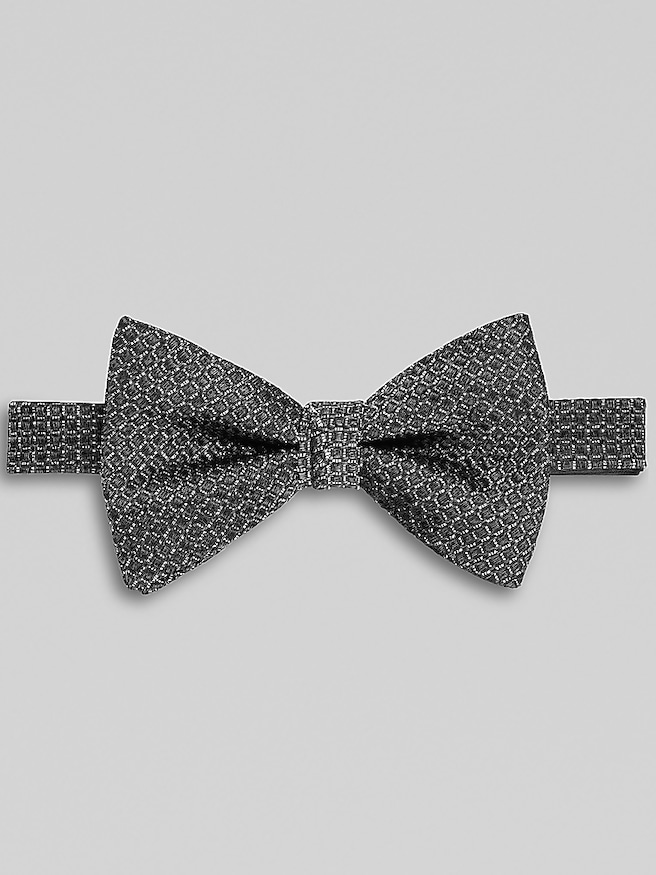
Thoughtful care helps plaid ties maintain their shape through repeated meetings, ceremonies, and evenings out. At the end of the day, reversing the tying steps is gentler than dragging the narrow end through a tightened knot. The fabric can then rest without being left compressed at the collar. Smooth ties may be stored on a suitable hanger, while loosely rolling can work for some constructions; either approach should avoid sharp folds and overcrowding. Before treating a spill or attempting to remove a crease, check the care label, because silk, wool, cotton, and synthetic blends can respond quite differently to moisture and heat. Blotting a fresh spill gently is safer than rubbing it into the weave, and delicate fabrics may need professional attention. An iron pressed directly onto the surface can flatten texture or create shine, so any pressing should follow the maker’s instructions. When traveling for a wedding or business trip, a tie case or a loosely rolled tie protected within luggage can help prevent deep creases. These everyday details are especially useful for someone who wears neckwear often and wants a dependable rotation rather than a single tie reserved for rare occasions. Plaid ties can also make thoughtful gifts for a dad, brother, partner, graduate, or mentor when the choice reflects clothing that person already enjoys. A recipient who favors navy jackets and pale blue shirts may get more use from a restrained blue-based plaid than from an unfamiliar, high-contrast palette. Someone who enjoys expressive accessories may appreciate a bolder intersection of color. For a graduate beginning a professional wardrobe, a versatile pattern offers ways to vary a small group of shirts and suits. For someone who alternates between traditional neckties and another classic shape, Cyber Monday Sale On Bow Ties offers a related neckwear category to explore. The most useful choice feels connected to the wearer’s habits: comfortable at the collar, balanced with familiar tailoring, and distinctive enough to make an ordinary outfit feel considered.