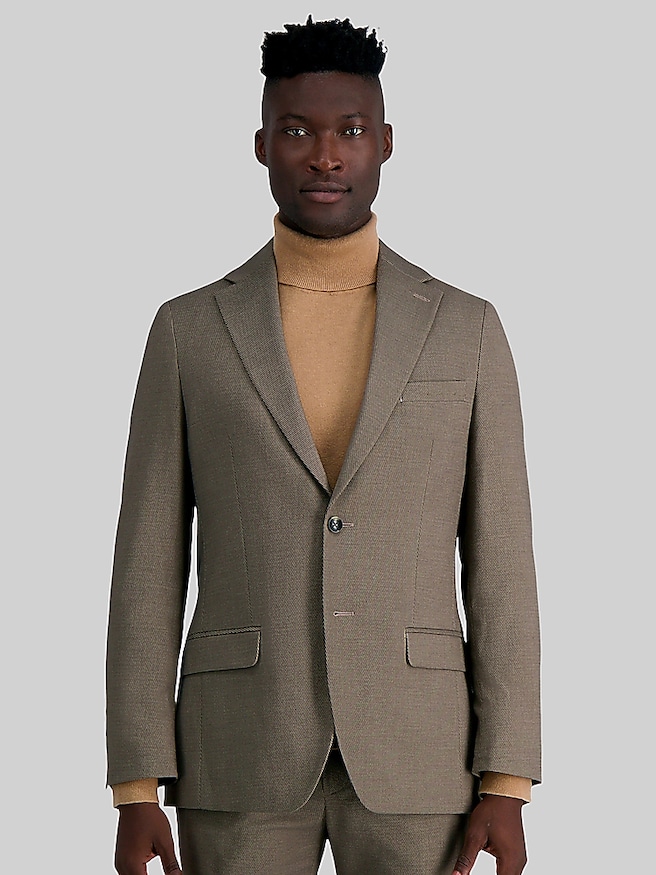
Plaid pants bring pattern and personality to an outfit without asking every other piece to compete for attention. Their intersecting lines can read as quiet texture from across a room or make a distinct impression up close, depending on the size of the check and the contrast between colors. A fine gray plaid can sit comfortably alongside a navy blazer and a white dress shirt for an office presentation, while a larger check gives a simple sweater and leather shoes a more expressive finish for dinner. That range makes plaid useful for anyone who wants an alternative to solid trousers while keeping a familiar, tailored silhouette. The background color is often the easiest starting point when building an outfit: charcoal, navy, brown, and other grounded shades work with many shirts and jackets already in a wardrobe. Picking up one quieter color from the pattern can also help a shirt or knit layer feel connected without looking overly matched. Scale matters just as much as color. Closely spaced lines tend to create a restrained effect, while broad windowpane checks place more emphasis on the pants themselves. For work settings with an established dress code, a low-contrast pattern generally makes a smoother transition from solid dress pants. For celebrations, restaurant reservations, or an evening performance, a more visible plaid can carry the outfit with little additional styling. A solid jacket gives the pattern room to stand out, and simple accessories keep the overall impression deliberate. Plaid can also work for wedding guests when the invitation and venue support patterned tailoring, though the stated dress code should always lead the decision. The strongest combinations do not need to be complicated: a clean shirt collar, pants that fall neatly over the shoes, and colors that relate to one another usually accomplish more than several competing statement pieces. The result can feel polished, approachable, or distinctly individual, depending on how the pattern is worn.
Fabric and construction influence how plaid pants look after several hours of actual wear, not just when standing in front of a mirror. Wool and wool blends can provide a smooth drape that suits tailored outfits, although the weight and weave determine how structured or fluid the fabric feels. Cotton often brings a more relaxed surface, making it a natural companion for casual button-down shirts and less structured jackets. Blends containing synthetic fibers may help with shape retention or ease of care, while a small amount of stretch can make sitting, walking, and climbing stairs more comfortable. Fiber content alone does not tell the whole story, so the garment’s stated fabric details and care instructions deserve attention. A soft hand, an even weave, secure stitching, and a waistband that lies smoothly are useful signs to consider. Where practical, the placement of checks across visible seams and pockets can also affect how cleanly the pattern reads. Fit deserves equal attention because plaid makes the lines of the garment easy to see. The waistband should stay in place without pinching, and the seat should allow comfortable movement without excess fabric gathering beneath it. Pulling across the front pockets or checks that appear stretched across the thighs can suggest that more room is needed. Slim silhouettes create a close, tapered outline, while straight cuts leave a more consistent line from thigh to hem; neither should prevent an easy stride. Rise affects both comfort and proportion, especially with a tucked shirt or a shorter jacket. When assessing length, wear shoes similar to those intended for the finished outfit. A slight break can look traditional with dress shoes, while a cleaner hem with little pooling keeps the plaid visible and the leg line tidy. For anyone moving between a desk, a commute, and an evening engagement, sitting down during a fit check is essential. Standing comfort is only part of the picture, and a well-proportioned pair should still feel comfortable through an ordinary day.
Keeping plaid pants looking sharp starts with following the care label rather than assuming every tailored fabric needs the same treatment. Some fabrics require professional cleaning, while others permit machine washing under specific conditions; temperature, drying method, and pressing instructions can all affect the finished appearance. Between cleanings, hanging pants neatly and letting them air after wear can help maintain their shape. A sturdy hanger with a smooth bar or suitable clips helps prevent unnecessary creasing, and leaving space in the closet keeps the fabric from being crushed. When pressing is permitted, the recommended heat setting and a pressing cloth can help protect the surface. Take particular care around pocket edges and seams, where heavy pressure can leave impressions. Small habits also support durability: empty pockets before putting pants away, address loose buttons or hems promptly, and avoid repeatedly loading a back pocket with a bulky wallet that strains the same area. Rotating between pairs gives each garment time to rest and makes regular wear easier to manage. Plaid pants can be a thoughtful gift for someone starting an office role, marking a professional milestone, or developing a more personal approach to getting dressed. A familiar fit and a pattern close to the recipient’s usual colors generally make a more useful starting point than an unfamiliar silhouette or a bold check chosen only for impact. Existing trousers can provide helpful clues about waist size, inseam, and preferred leg shape. For another way to bring checks into a wardrobe, explore Cyber Monday Deals On Plaid Dress Shirts; a patterned shirt with solid pants offers an alternative to making the trousers the focal point. Whether plaid appears above or below the waist, a clear balance of pattern, proportion, and texture helps the outfit feel cohesive. With an appropriate fabric, comfortable fit, and consistent care, plaid pants can become a dependable part of dressing for work, dinners, and occasions that call for a little more character than a solid pair provides.