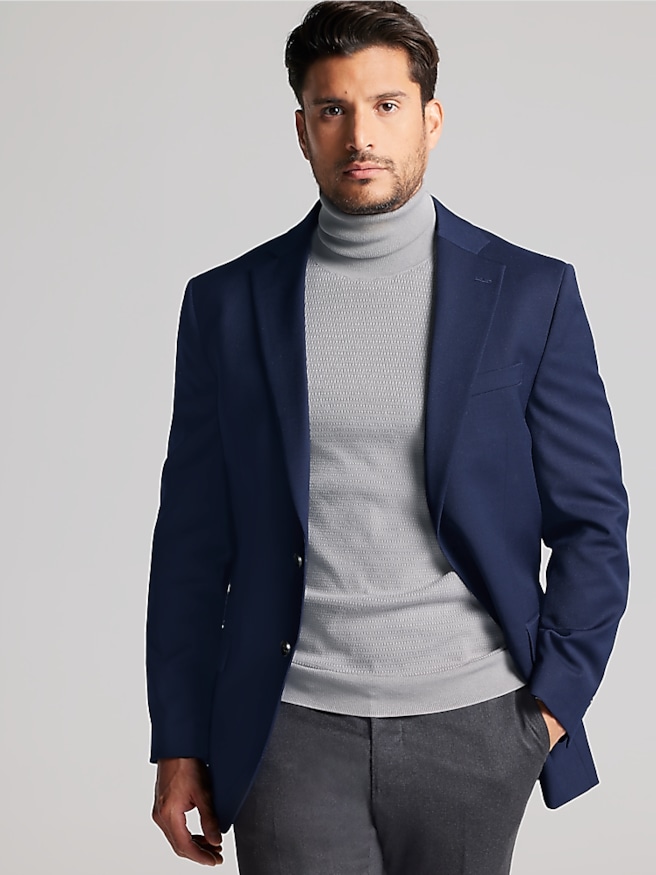
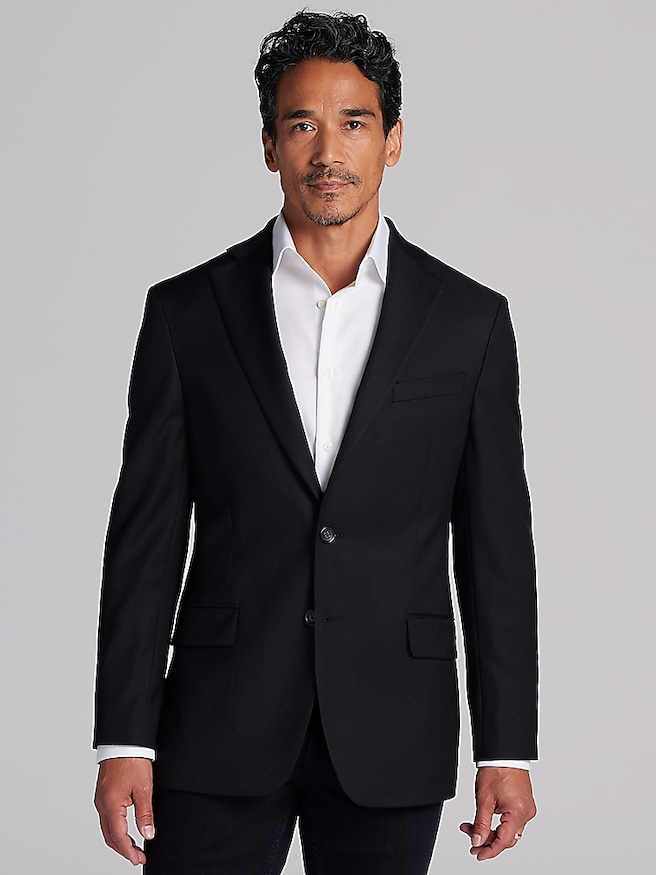
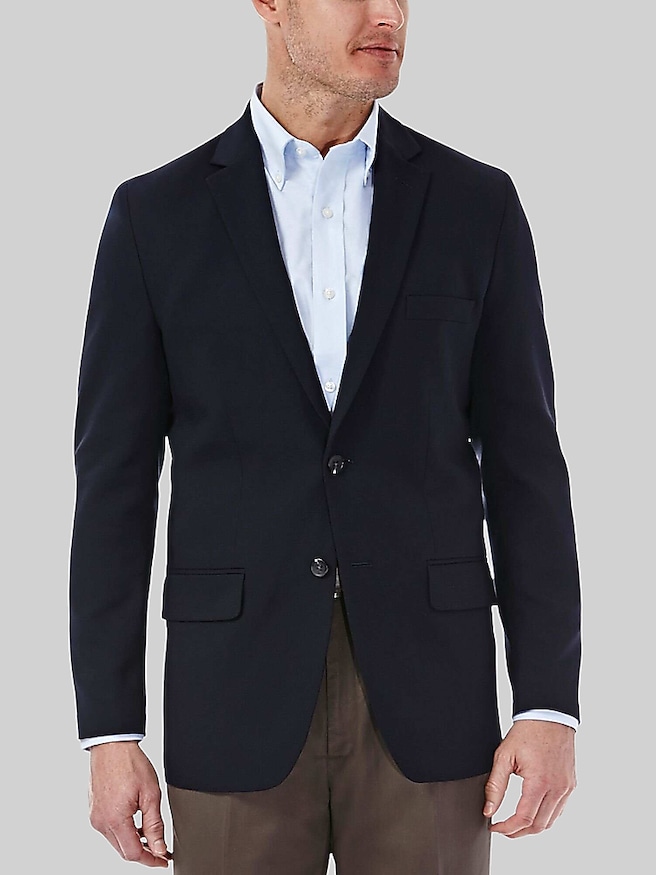
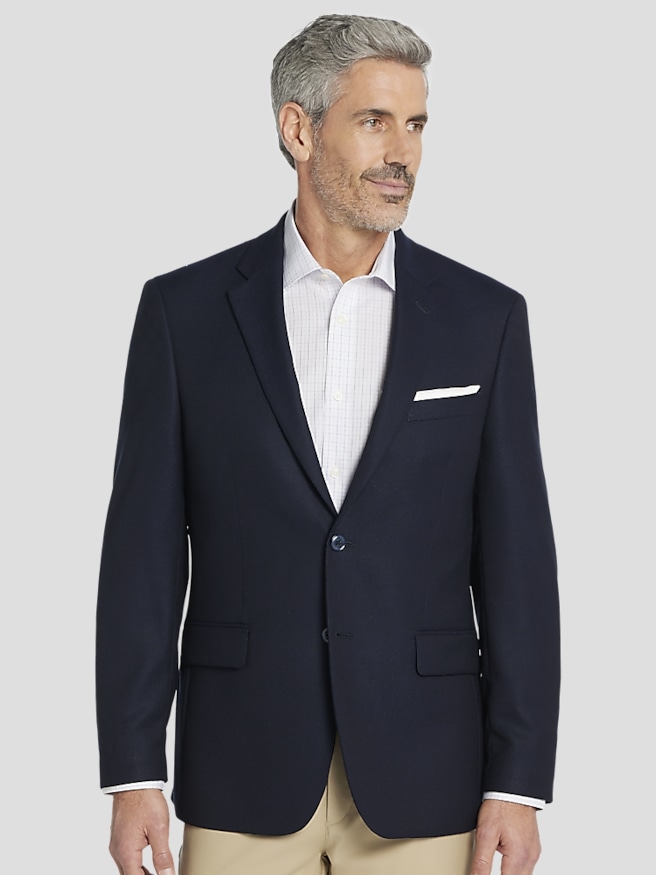
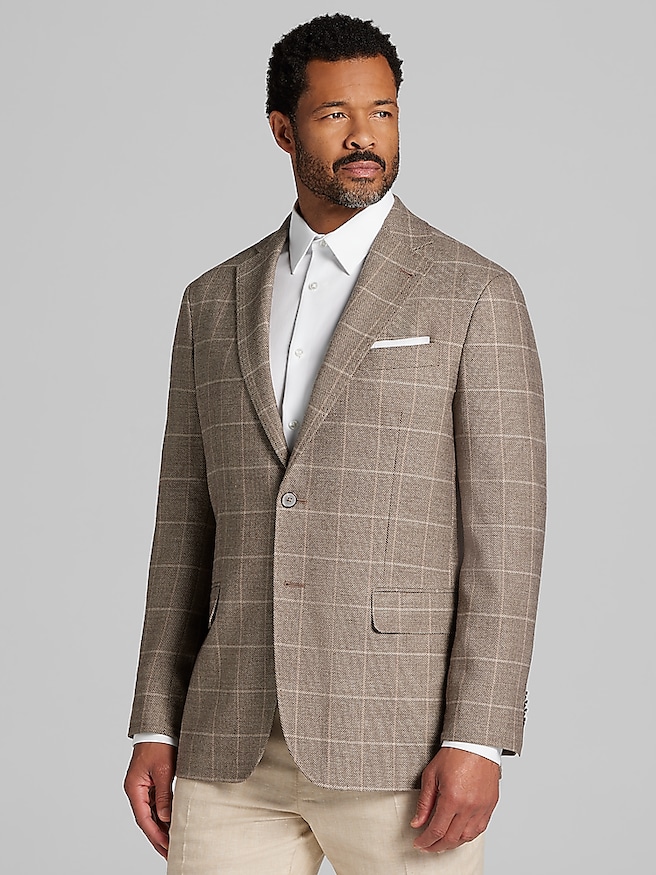
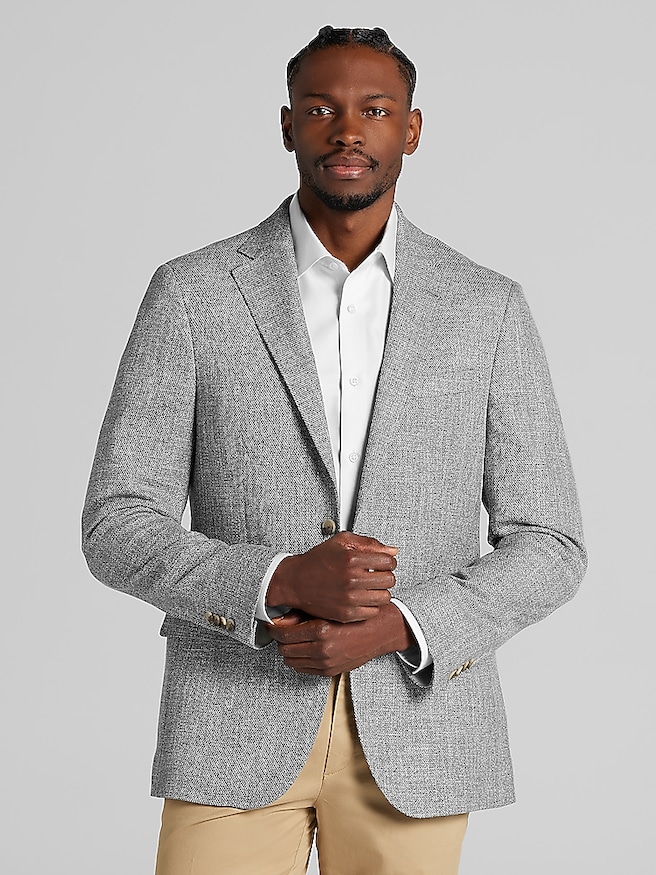
Plaid sport coats bring pattern, structure, and personality to an outfit without requiring matching trousers. Their appeal lies in that balance: polished enough for a business lunch or a dinner reservation, yet relaxed enough to wear with chinos and an open-collar shirt. Unlike a suit jacket, which is designed as part of a coordinated set, a sport coat works as a separate layer. Plaid makes that distinction especially expressive. A broad windowpane creates an open, architectural pattern, while a smaller check reads more subtly from across a room. Glen plaid combines overlapping checks for a detailed appearance that often feels understated at a distance. Color matters as much as pattern size. Navy, gray, and brown grounds are easy to connect with familiar wardrobe staples, while a contrasting line can pick up the color of a shirt, knit, or pocket square. Fabric contributes another layer of character. Wool can provide a resilient drape and a textured surface that gives checks depth. Wool blends combine that character with the properties of other fibers, though the exact feel and care requirements depend on the composition and construction. Cotton often has a more relaxed appearance, and linen brings visible texture with natural creasing. Fabrics containing synthetic fibers may contribute wrinkle resistance or durability, while stretch fibers can add flexibility. None of these qualities can be judged by fiber content alone; weave, fabric weight, lining, and tailoring also influence how a jacket feels through a full day. A softly constructed coat may settle comfortably over a fine-gauge knit, while a more structured shoulder creates a defined outline over a dress shirt. The most useful plaid sport coats feel appropriate beyond a single event, moving easily between professional settings, social plans, and occasions where a little extra effort is welcome. Their pattern supplies visual interest, so the rest of the outfit can remain straightforward without looking unfinished. That makes plaid particularly useful for someone whose wardrobe already includes solid shirts and neutral trousers but could use more variety.
Fit gives a plaid sport coat its shape, and the pattern makes proportion especially noticeable. Shoulder seams should sit close to the natural shoulder line, with a smooth transition into the sleeve rather than a pronounced ridge or collapse. Across the chest, the fabric should lie comfortably without pulling into an X around the fastening point. A close fit can look sharp, but it still needs enough room for sitting, reaching, and moving through an ordinary day. The jacket’s intended layers matter here: a coat worn mainly over a dress shirt may need less room than one regularly paired with a knit. Slim, modern, and classic fit descriptions are useful starting points, but those labels are not standardized across all tailoring. Chest measurements, jacket length, sleeve length, and the actual cut provide a clearer picture. Regular, short, and long proportions affect more than the hem; they can also change where the waist shaping and pockets sit on the body. A balanced length generally covers the seat, although proportions and design influence the overall effect. Sleeves should leave room for comfortable movement and, when worn with a dress shirt, can allow a small amount of cuff to show. Tailoring may refine sleeve length or the waist, while major shoulder adjustments are typically more involved. Plaid also rewards thoughtful coordination. Solid trousers allow the checks to remain the focal point, particularly when their color echoes a quieter shade within the jacket. A navy-and-brown pattern, for example, can feel cohesive with brown trousers and a pale blue shirt without matching every element exactly. Dark, clean-finished denim creates a more relaxed combination where the setting permits it. When another pattern enters the outfit, a noticeable difference in scale helps prevent visual competition. A fine stripe can sit comfortably beneath a broader check, while a solid knit tie adds texture without introducing another competing motif. Lapel width, pocket style, and the amount of shoulder structure further influence whether the finished look feels businesslike, easygoing, or somewhere between.
The intended occasion helps determine how much formality a plaid sport coat needs to carry. For an office presentation, tailored trousers, a crisp shirt, and leather shoes create a composed foundation. For a birthday dinner or an evening at the theater, an open collar or a fine-gauge crewneck can soften the same general silhouette. A sport coat can also suit a wedding celebration when the stated dress code allows separates, but it does not replace the coordinated tailoring or eveningwear required by more formal invitations. For a matching-jacket-and-trouser alternative, Cyber Monday On Plaid Suits connects the appeal of plaid with a coordinated look. As a gift, a sport coat is especially personal because both fit and pattern preference influence how often it gets worn. Familiar jacket measurements, preferred silhouettes, and the recipient’s usual shirts and trousers are more helpful than guessing from a casual shirt size alone. Someone who dresses for client meetings may appreciate a restrained check, while someone who enjoys expressive accessories may feel comfortable with a larger pattern. Long-term usefulness also depends on routine care. The care label should determine the cleaning method, since fabric blends, linings, and internal construction can require specific treatment. Between cleanings, a soft clothing brush can lift surface lint and dust, and airing the jacket in a ventilated space can help refresh it after wear. A broad, shaped hanger supports the shoulders better than a thin wire hanger, while enough closet space helps prevent crushed lapels and deep wrinkles. Pockets retain their shape better when they are not weighed down with keys, a phone, and a thick wallet. Small spills deserve prompt attention according to the care instructions rather than aggressive rubbing. Letting a jacket rest between wears can also help it recover its shape. With suitable care and a comfortable fit, a plaid sport coat becomes a dependable part of a wardrobe: distinctive on its own, adaptable alongside familiar pieces, and useful whenever the occasion calls for a considered appearance.