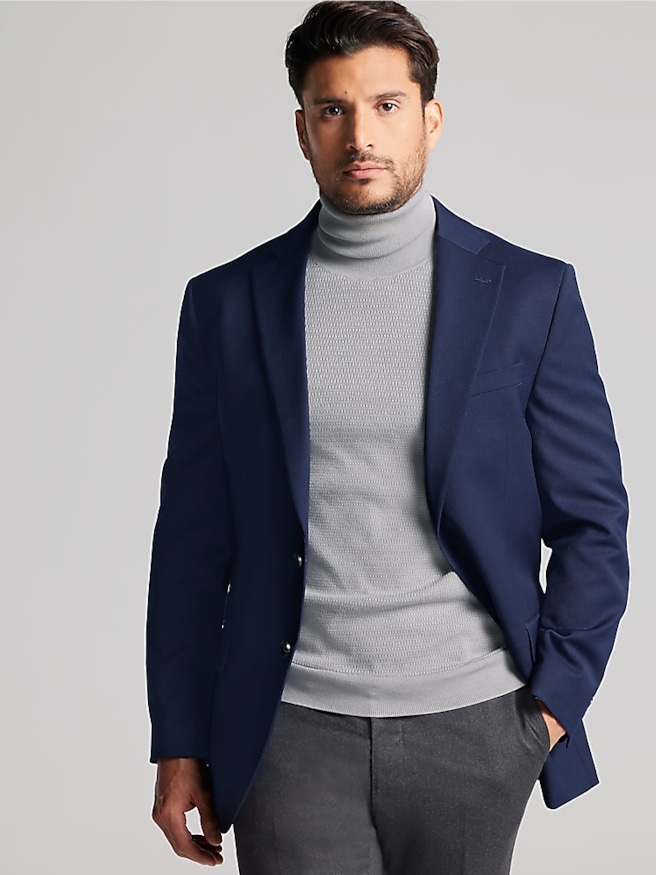
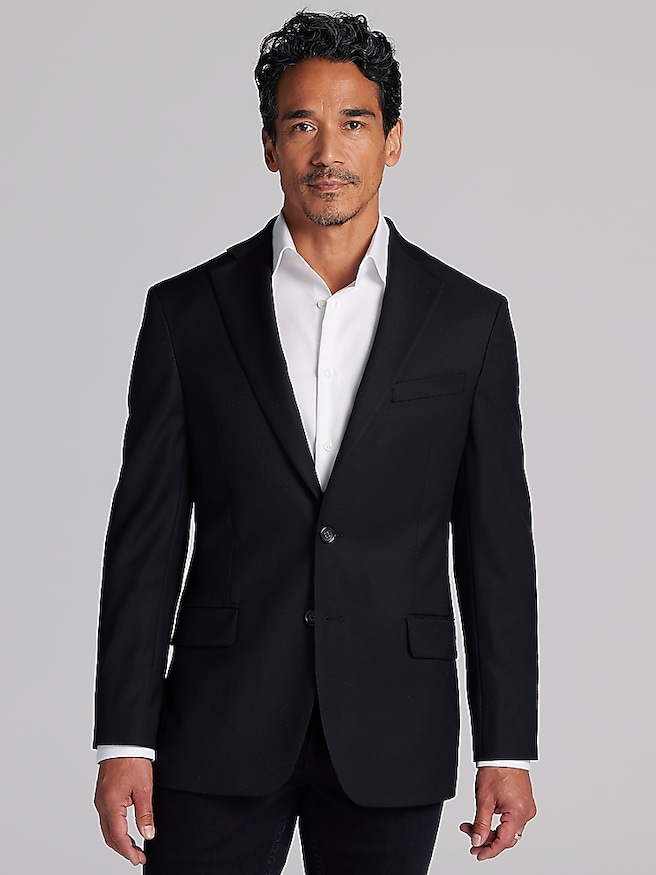
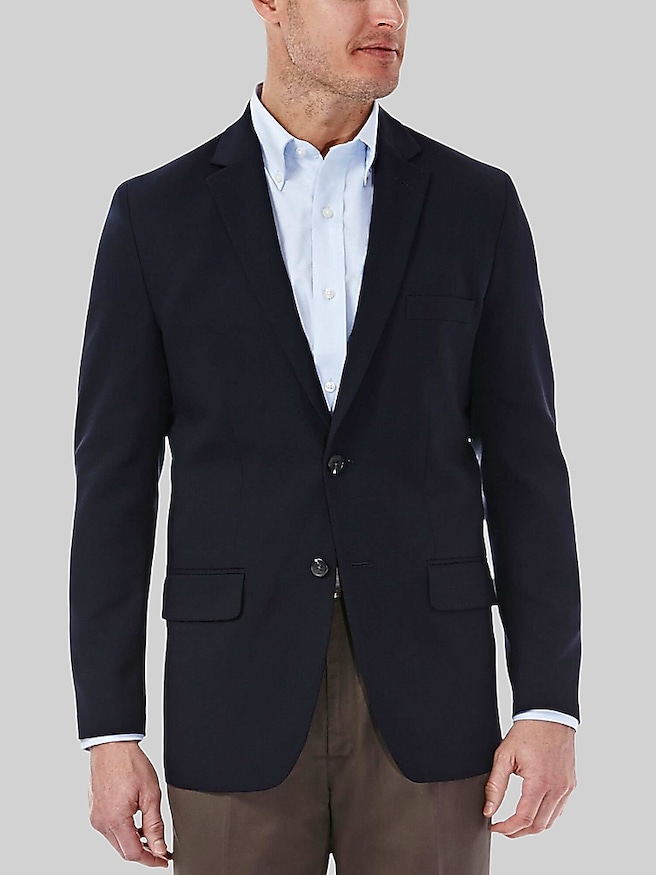
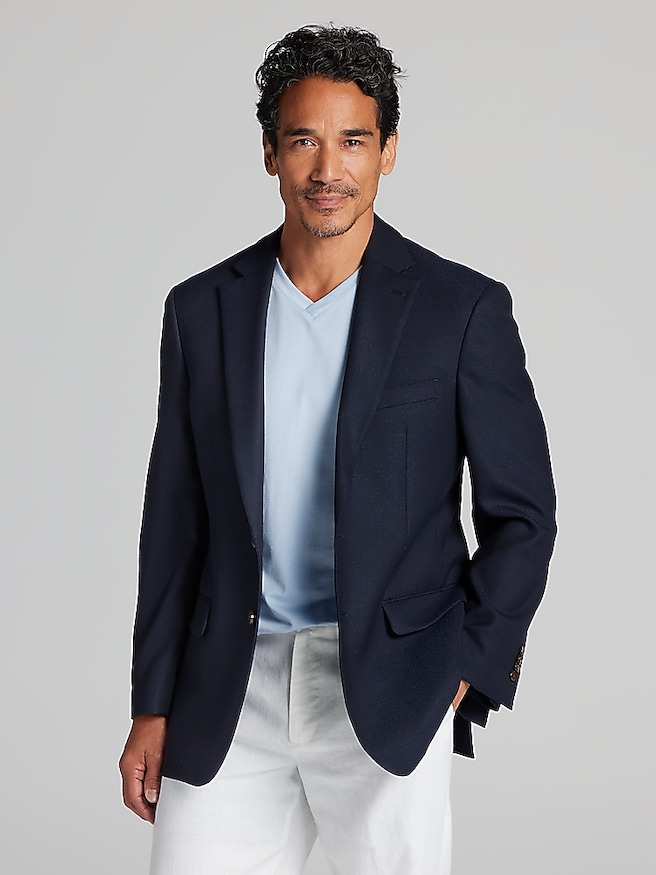
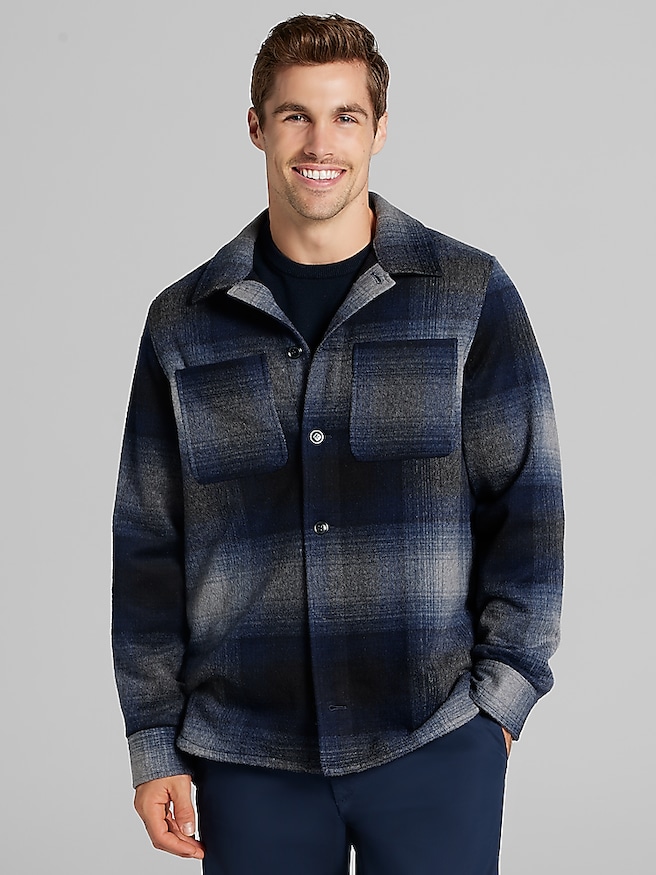
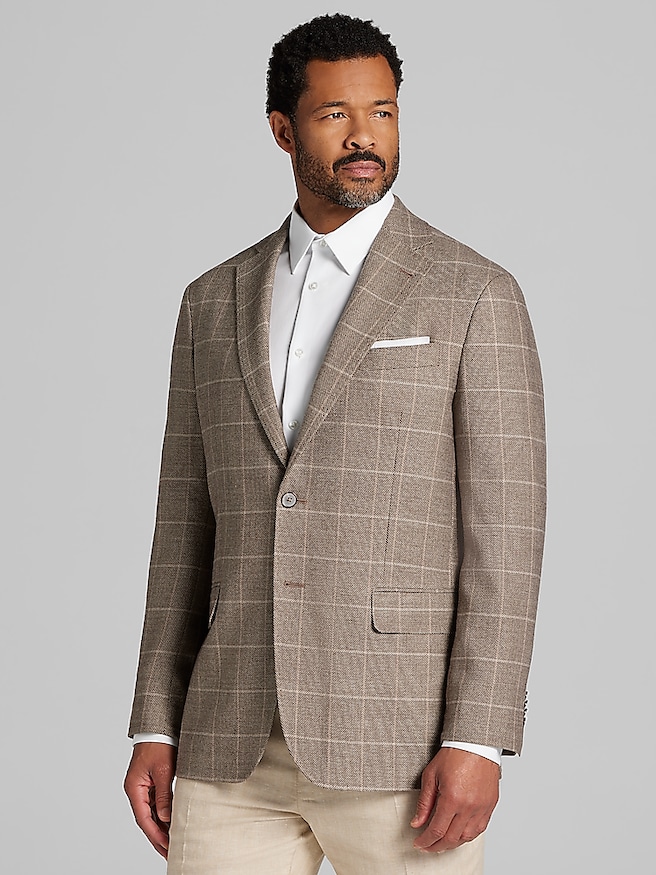
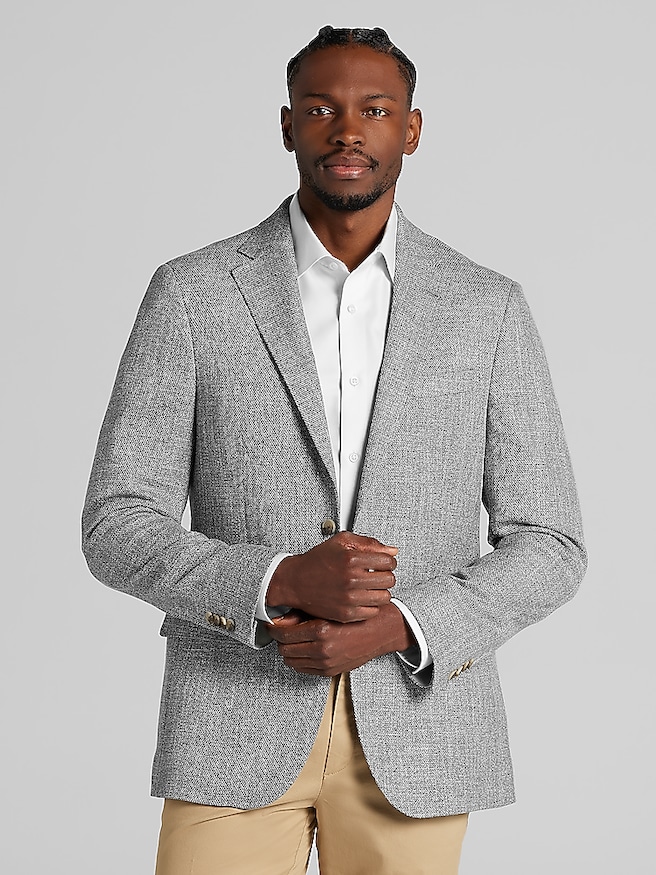
Plaid sport coats bring structure and personality to outfits that fall between a full suit and everyday casual clothing. The intersecting lines give a jacket depth, whether the pattern reads as a quiet texture from across the room or a more pronounced grid up close. A Black Friday plaid sport coat search can begin with that distinction: something subtle enough for regular office wear, or something expressive enough to anchor an outfit for a dinner, reunion, or celebration. Small checks in closely related colors tend to blend into a wardrobe easily, especially when paired with solid trousers. Larger windowpane patterns create a stronger visual statement, while layered plaids can introduce a restrained accent color without making the entire jacket look bright. A navy ground crossed with muted brown lines, for example, can connect naturally with gray trousers and brown leather shoes. Charcoal checks work well with black denim for an evening out, provided the denim is cleanly finished and the setting allows a relaxed approach. Unlike a suit jacket designed to match its trousers, a sport coat is meant to stand on its own, making contrast part of its appeal. The most useful pairings usually give the jacket room to lead: a smooth cotton shirt, a fine-gauge knit, or an understated polo can provide a calm backdrop for the pattern. For a business-casual meeting, a light blue shirt and tailored trousers keep the effect focused and professional. For a birthday dinner, a dark knit and polished loafers create a softer look without sacrificing definition. Plaid also rewards attention to scale. A broad check generally looks clearer against a solid shirt than against another equally bold pattern, and a textured tie can add interest without introducing another grid. The result should feel considered rather than coordinated down to every line, with colors that relate to one another instead of matching exactly.
Fabric and construction influence how a plaid sport coat hangs, moves, and holds up to repeated wear. Wool is a traditional choice because its natural resilience helps a jacket recover from ordinary creasing, while its drape gives the pattern a clean surface. Worsted wool often has a smoother finish suited to more polished outfits; brushed wool and tweed can give checks a softer outline and a more tactile character. Cotton tends to create a less formal impression, with creasing that becomes part of the jacket’s appearance. Linen has a distinctive dry texture and relaxed rumpling, while blends may combine fibers to adjust softness, weight, wrinkle resistance, or stretch. Those differences matter more than a fabric name alone: a tightly woven cloth can feel quite unlike a loose, open weave made from the same fiber. Lining and internal structure change the experience, too. A fully lined jacket can slide smoothly over a shirt, while partial lining may give a lighter, less enclosed feel. More structured shoulders create a defined silhouette; softer shoulders follow the body more closely and often suit casual combinations. Fit should let those design choices work without strain. The shoulder seam should sit near the shoulder’s natural edge, and the lapels should lie cleanly against the chest rather than bow outward. With the jacket fastened as intended, the front should close without a pronounced X-shaped pull around the button. There should also be enough room through the upper back to reach forward comfortably, whether holding a steering wheel or greeting someone across a table. Sleeve length typically leaves a small amount of shirt cuff visible, though the overall proportion matters more than a rigid measurement. Jacket length should balance the torso and trousers, with enough coverage to look deliberate rather than cropped by accident. Trying a sport coat over the kind of shirt or knit it will actually accompany gives a better sense of fit than judging it over an unusually thin layer. Sleeve and waist adjustments may refine the shape, but substantial shoulder changes are more involved, making a good starting fit especially valuable.
A plaid sport coat earns a lasting place in a wardrobe when its pattern, comfort, and care needs suit real routines. Someone who moves between client lunches and relaxed dinners may get frequent use from a muted check with a clean silhouette, while someone dressing mainly for social occasions might prefer a broader plaid or a richer accent color. For travel, fabric resilience and ease of movement deserve particular attention; a jacket that looks sharp on a hanger should also feel comfortable after an extended stretch of sitting. As a gift for a partner, parent, sibling, or graduate entering a more polished workplace, a sport coat is a personal choice, so familiar colors and a known jacket size provide a useful starting point. Preferences around shoulder structure and room through the body matter just as much as the pattern. Outfit variety can come from changing the layers underneath rather than treating every occasion as a reason for a completely separate look. An open-collar shirt makes the jacket approachable, a tie adds formality, and a fine knit softens the effect. For additional checked layers, Black Friday Plaid Shirts offers a related direction; when combining a plaid shirt with a plaid jacket, noticeably different pattern scales and a shared color help keep the pairing intentional. Long-term appearance depends on everyday handling as well as fabric quality. Follow the care label, since laundering or pressing methods appropriate for one cloth may damage another or affect the jacket’s internal construction. After wear, let the jacket air out before returning it to a closet, and use a broad, supportive hanger to help preserve the shoulders. Emptying pockets prevents unnecessary pulling, while gentle brushing with a suitable clothing brush can lift surface dust from compatible fabrics. Professional cleaning should follow the garment’s instructions and actual needs rather than happen automatically after every outing. Thoughtful fit, restrained combinations, and consistent care allow the plaid itself to remain the distinguishing detail, bringing texture and character to many different occasions.