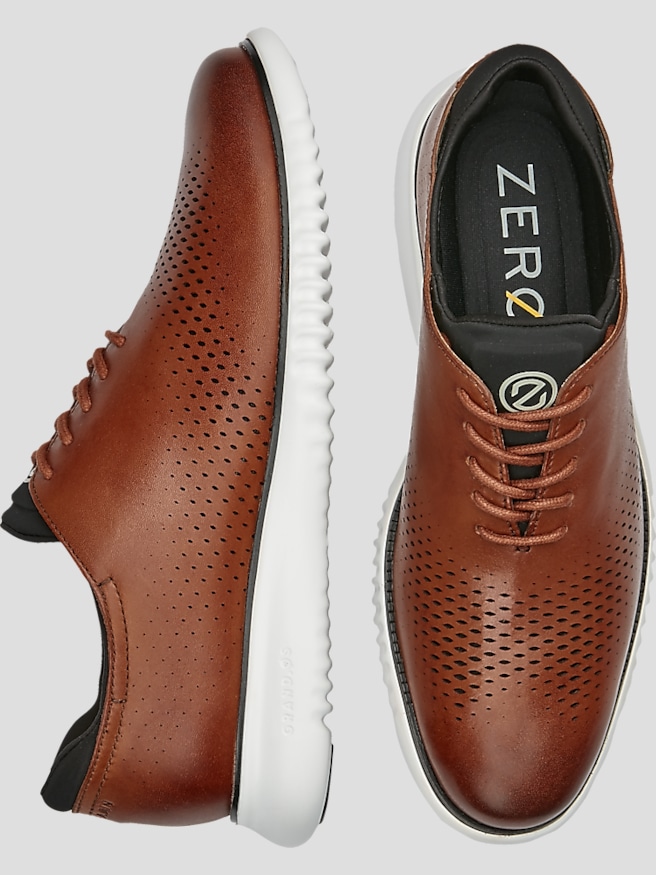
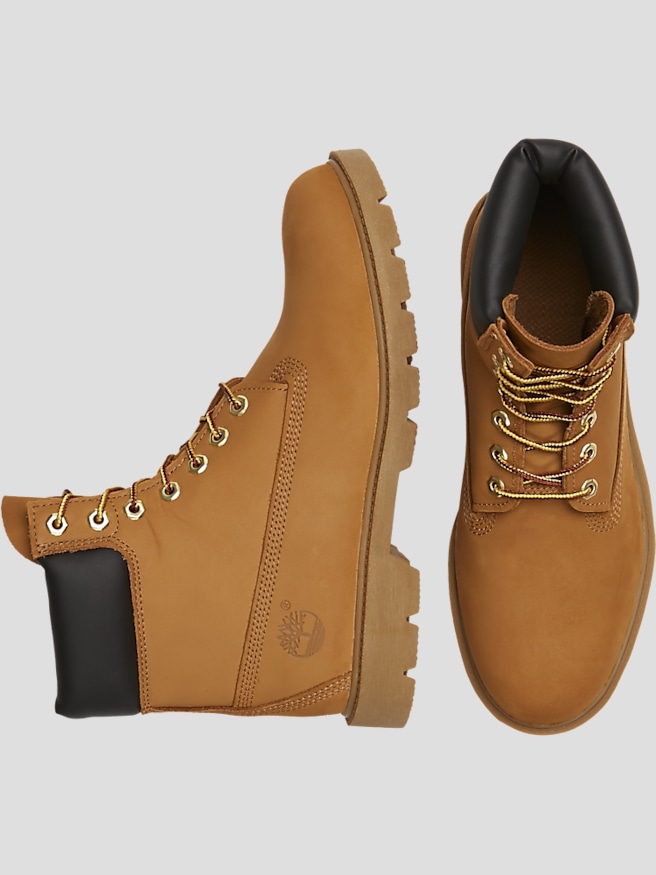
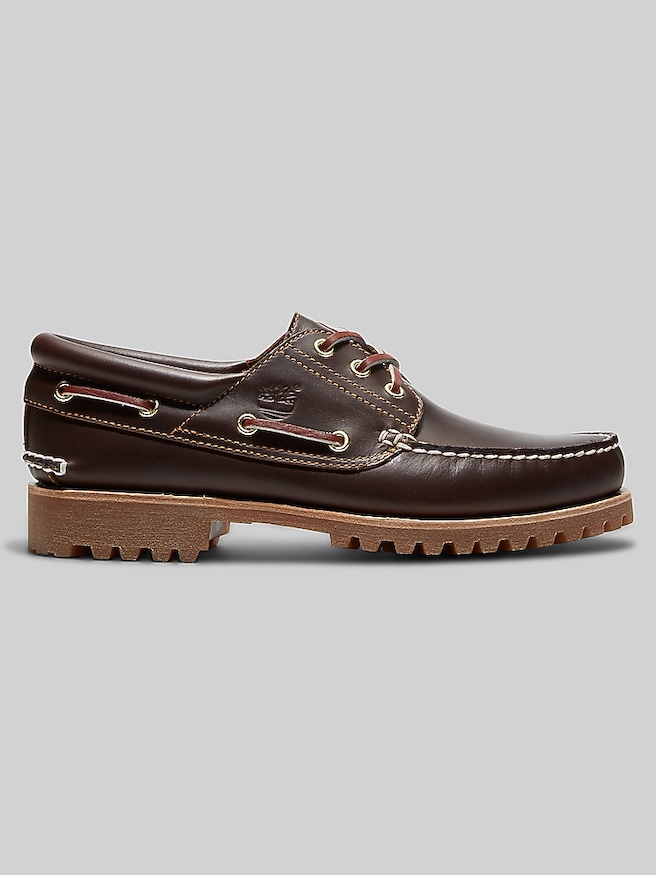
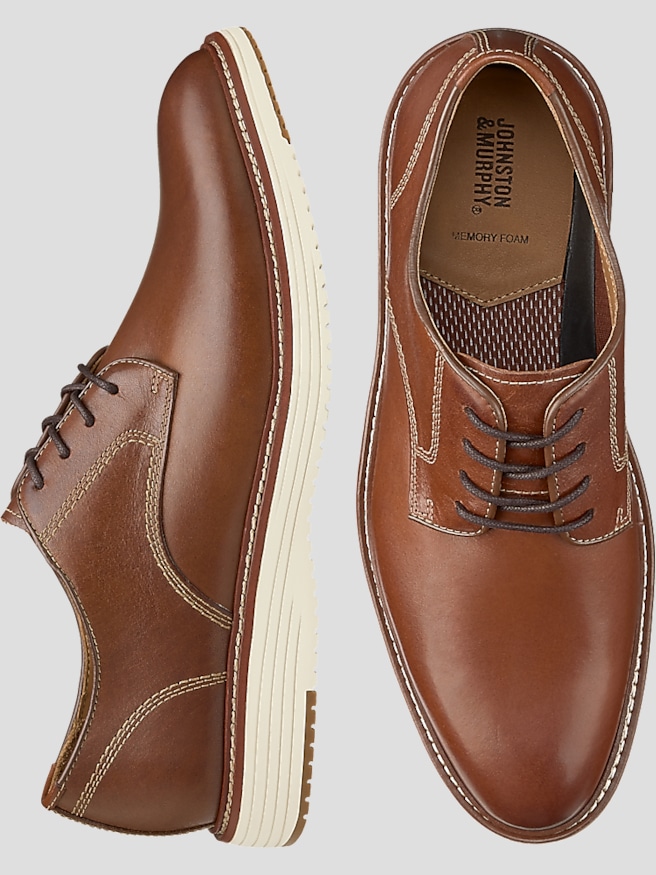
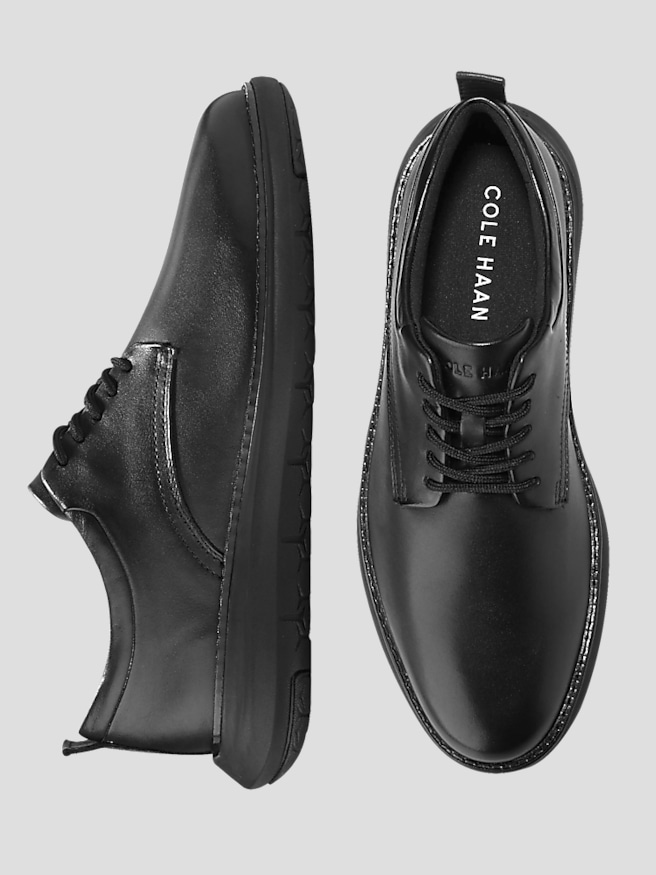
Cushioned boots are designed to make cooler-weather walking more comfortable by combining supportive construction with padding, insulation and protection from the elements. Depending on the style, that cushioning may come from a foam midsole, a padded footbed, quilted uppers, a softly lined collar or an ergonomic interior that helps reduce pressure around the heel, arch and ankle. Some boots are made for everyday winter commuting, while others are built for slushy sidewalks, deep snow, outdoor work or relaxed time around a cabin or campsite. Waterproof or water-resistant materials help keep feet dry when pavement is wet, and sealed seams, gusseted tongues and secure closures can provide added defense against melting snow and cold wind. For anyone who spends long stretches on their feet, a cushioned boot can feel especially useful: the right amount of padding helps absorb impact as you cross hard sidewalks, parking lots and packed trails, while a stable outsole provides traction on slick or uneven ground. Look for a fit that leaves enough room to move your toes and wear comfortable socks without allowing the heel to lift excessively. A boot that feels snug across the instep but does not pinch, rub or compress the toes is more likely to remain comfortable throughout a full day. Those comparing cold-weather options may also want to consider boot height, tread pattern, insulation and ease of care alongside cushioning. A low ankle boot can be convenient for daily errands and indoor-outdoor wear, while a taller boot offers more coverage against snow and puddles. Deep lugs or patterned rubber outsoles can improve grip, and flexible construction may be preferable for walking around town. Shoppers seeking less weight for travel, commuting or changing conditions can also explore Lightweight Boots, which may provide practical comfort without the bulk associated with heavier winter footwear.
Warmth and weather protection are important considerations, but comfort is personal, and the best cushioned boots depend on how and where they will be worn. Insulation ratings can offer a useful point of comparison: lighter insulation may suit cool fall days, indoor-to-outdoor errands and active walking, while heavier insulation is better suited to prolonged exposure in freezing conditions or deep snow. A lining made from fleece, faux fur or another soft textile can add warmth around the foot and ankle, though breathability still matters when boots are worn indoors for extended periods. Waterproof construction is valuable in wet conditions, but it should be paired with moisture-managing socks and enough interior room to prevent clamminess. People with sensitive feet may appreciate extra-depth designs, padded seam-free interiors and cushioned footbeds that minimize friction at common pressure points. An ergonomic shape can be helpful for those who prefer additional arch support or a more stable platform, although individual fit needs vary. When trying on boots, it is useful to test them with the socks intended for regular wear and to walk on a firm surface for several minutes. Notice whether the cushioning feels supportive rather than overly soft, whether the sole bends naturally near the front of the foot and whether the collar rests comfortably against the ankle. A secure lace, zip or pull-on opening can make daily use easier, especially when hands are full or gloves are on. Practical details such as removable insoles, reinforced toe areas and washable or wipe-clean finishes may also extend the life of a favorite pair. During the cooler months, cushioned boots can move easily between everyday settings: paired with denim or casual trousers for a morning commute, worn with outdoor layers for a weekend walk, or kept by the door for quick trips when rain and slush arrive. Let boots dry naturally after wet wear, remove loose dirt before it settles into the material and follow the care instructions for the upper and lining to help preserve their comfort and appearance.
Cushioned boots can be a thoughtful gift for someone who walks to work, spends time outdoors, travels to cold destinations or simply values reliable comfort during the cooler season. They are particularly practical for a new homeowner managing snowy paths, a student moving between campus buildings, a parent handling brisk school-day routines or an outdoor enthusiast who wants dependable footwear for trails and informal gatherings. For a gift, consider the recipient’s usual environment before focusing on appearance. Someone in a wet urban area may benefit most from waterproof protection and a flexible, walkable sole, while someone in a colder region may prefer taller coverage and more insulation. A person who drives frequently may favor a lighter, less bulky style that moves easily between the accelerator and brake, whereas someone who spends hours outside may appreciate a warmer lining, supportive midsole and more substantial tread. Neutral colors and versatile silhouettes can make a pair easier to wear with existing cold-weather clothing, from corduroy and denim to insulated outerwear. Cushioning also makes these boots useful beyond demanding outdoor activities. They can provide a comfortable option for errands, travel days, casual office environments and relaxed weekends when regular shoes do not offer enough warmth or protection. The most dependable pair balances softness with structure: padding should feel pleasant underfoot, the upper should hold the foot securely, and the outsole should provide confident contact with the ground. With thoughtful attention to fit, warmth, water resistance and intended use, cushioned boots can become a dependable part of a seasonal wardrobe, offering the kind of everyday comfort that is appreciated each time the weather turns cold, a sidewalk grows wet or a long walk calls for extra support.