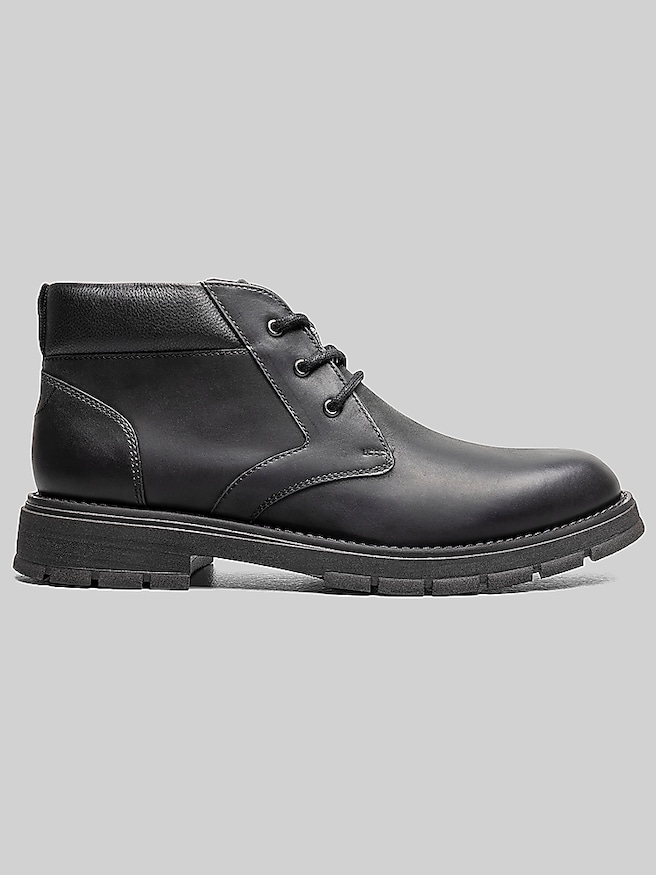
Cushioned leather shoes combine a leather upper with padding underfoot, bringing a softer step to footwear that can look polished enough for a suit or relaxed enough for chinos. The category spans dress shoes, loafers, and casual lace-ups, with comfort shaped by the entire construction rather than the insole alone. A cushioned footbed helps soften contact beneath the foot, while the midsole, outsole, lining, and shape of the shoe influence how it feels through a full day. For someone moving between a desk, conference rooms, and an evening reservation, that balance can matter as much as the finish of the leather. Foam cushioning may provide a plush initial feel, while a firmer, resilient layer can feel more stable during extended wear. Memory foam conforms under pressure; other foam formulations emphasize springiness or a lighter weight. Neither softness nor thickness automatically makes a shoe more comfortable, since cushioning needs to work with the wearer’s foot shape and the intended activity. Leather brings its own practical and visual qualities. Full-grain leather retains the hide’s natural surface character and can develop a distinctive patina with proper care. Top-grain leather has a more refined surface, while suede offers a soft, textured appearance that generally reads as less formal. Smooth leather is a versatile choice for tailored clothing because it takes polish and keeps the overall look clean. Inside the shoe, a smooth lining and neatly finished seams help reduce distracting contact around the toes and heel. Some constructions include padding at the collar or tongue, which can make those contact points feel gentler without changing the shoe’s outward appearance. For office professionals, wedding guests, commuters, and anyone who prefers leather footwear for everyday dressing, cushioned construction offers a way to consider comfort alongside appearance rather than treating the two as separate decisions.
Fit determines whether cushioned leather shoes feel reassuring or cumbersome, especially once the wearer begins walking. The heel should feel secure, the widest part of the foot should align with the broadest part of the shoe, and the toes should have room to move without pressing against the front or sides. A sleek silhouette does not have to mean a cramped toe box. Width deserves particular attention: choosing a longer size to compensate for a narrow fit can leave excess space at the toe while allowing the heel to move. Leather may soften and adapt with wear, but a shoe that pinches or causes numbness should not be expected to become comfortable through a break-in period. Sock thickness also changes the fit, so lightweight dress socks and more substantial casual socks can produce noticeably different results in the same shoe. Lace-up closures allow adjustments across the instep, while loafers depend more heavily on the shape of the opening and the fit through the heel and midfoot. Underfoot, cushioning and arch support serve related but distinct purposes. Padding softens the feel of contact; supportive contours help position the foot within the shoe. A deeply padded footbed may feel inviting at first yet lack the structure a particular wearer prefers for hours of standing. Conversely, a moderately cushioned shoe with a stable base may feel more comfortable over a longer stretch. For anyone using an existing orthotic, a removable footbed and adequate interior depth can be useful considerations, although compatibility depends on the shoe and insert together. The outsole also affects the experience. Rubber can add flexibility and grip, while a leather outsole offers a traditional dress profile and a different feel against the floor. Traction varies with tread design and surface conditions, so outsole material alone does not establish slip resistance. For days that include a walk from the parking garage, time on hard office floors, and standing through a reception, secure fit and balanced construction deserve as much attention as the first soft step.
The right style depends on how cushioned leather shoes will fit into an existing wardrobe. A streamlined oxford with understated stitching complements business suits and dress trousers, while an open-laced derby often works comfortably between tailored and business-casual outfits. A leather loafer pairs naturally with chinos, a tucked-in shirt, and a sport coat, giving an outfit a finished appearance without the formality of a lace-up dress shoe. Casual leather sneakers suit relaxed offices and off-duty plans, particularly when the shape is clean and the detailing restrained. Black smooth leather creates a crisp foundation for charcoal or navy tailoring; brown shades add depth beside blue trousers, tan chinos, and textured fabrics. Matching the general tone and formality of a belt keeps the outfit cohesive without requiring every leather surface to look identical. For someone who prefers coverage above the ankle, Cushioned Boots offer a related footwear category to consider alongside low-cut silhouettes. Durability depends on both construction and maintenance. Even stitching, neatly joined components, and an outsole suited to the intended use are useful details, while cushioning should retain enough resilience to remain comfortable rather than staying compressed. Some stitched constructions can be resoled by a qualified repair professional, though repair options vary by design. Routine care starts with removing surface dust using a soft brush or cloth, then choosing cleaning and conditioning products appropriate for the leather’s finish. Smooth leather may benefit from occasional conditioner and polish; suede needs its own brush and compatible care products instead. Letting shoes air out between wears and using properly fitted shoe trees helps maintain their shape. Direct heat can dry leather and damage components, so gentle air-drying is preferable after cleaning. As a gift for a graduate starting an office role, a partner refreshing a work wardrobe, or a parent who enjoys dressing well, cushioned leather shoes can be a thoughtful choice when size, width, and style preferences are known. Their lasting appeal lies in the combination of a presentable exterior, a considered fit, and underfoot comfort suited to the places the wearer actually goes.