Cushioned formal shoes combine a traditional dress-shoe silhouette with underfoot padding designed to soften each step. Foam footbeds, padded heel areas, and flexible sole constructions can make polished footwear more comfortable for extended wear, whether the day includes office meetings, a wedding ceremony, or an evening reception. Their appeal is straightforward: a refined upper that works with tailored clothing, paired with comfort features that are felt rather than prominently displayed. Cushioning may come from a thin layer beneath the lining, a contoured insole, or several layers of foam with varying densities. Softer foam provides an initially plush feel, while firmer layers can help keep the foot from sinking too deeply into the shoe. Memory foam conforms under pressure, while resilient cushioning materials are designed to compress and rebound as the wearer moves. The amount of padding matters, but so does its placement. Cushioning beneath the heel helps soften contact with the floor, and padding through the forefoot adds comfort where pressure builds while walking or standing. A shaped footbed may also provide support around the arch, although cushioning and arch support are not interchangeable features. The overall experience depends on how the footbed, upper, heel, and outsole work together. A shoe that feels pillowy for a few steps may feel less stable over several hours if the platform lacks structure. For a workday that moves from a desk to a presentation and then to dinner, balanced cushioning and a secure fit often matter more than maximum softness alone. At a celebration, that same balance can make the transition from standing through photographs to walking across a reception venue feel more natural. Comfort-focused construction does not have to mean a thick, sporty profile; discreet padding can sit inside a sleek shoe without distracting from a crisp trouser crease or a well-fitted suit.
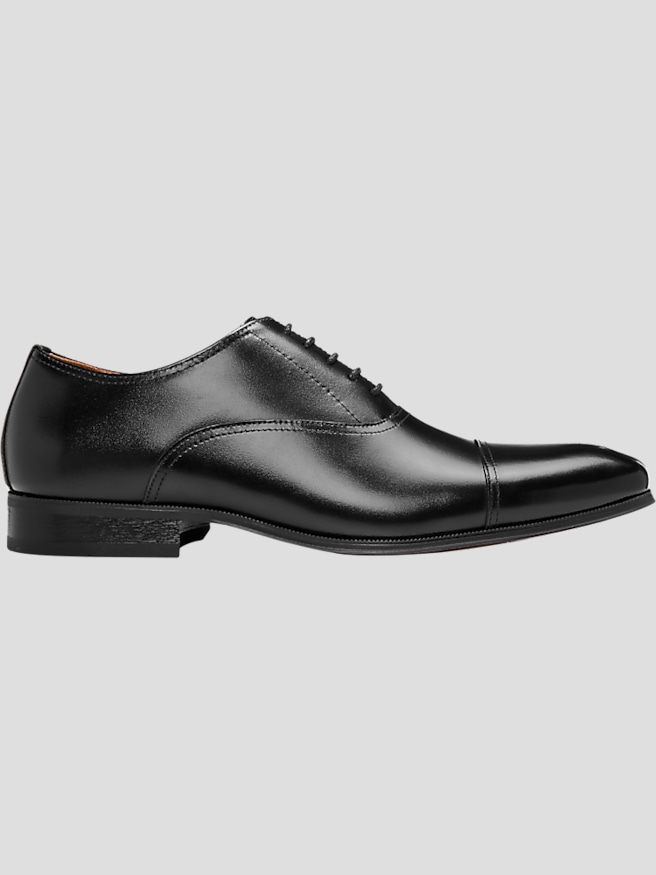
The upper material and shape give cushioned formal shoes much of their character. Smooth leather offers a classic appearance and can gradually conform to the foot, while textured leather adds visual depth and may make small surface marks less noticeable. Suede has a softer, more relaxed look that often suits dress trousers and a sport coat, though it generally reads as less formal than polished leather. Synthetic uppers can provide a consistent finish and straightforward surface care, but breathability and flexibility depend on the construction rather than the material label alone. Linings also influence comfort: smooth seams, a well-finished heel area, and moisture-managing materials can help limit rubbing and keep the interior feeling comfortable during extended wear. Oxford shoes, recognizable by their closed lacing, create a neat profile alongside tailored suits and formal trousers. Men's Cushioned Oxford Dress Shoes bring that traditional shape together with comfort-focused underfoot construction. Open-laced derby styles offer another polished option, while streamlined loafers create a slip-on silhouette for occasions that allow a slightly less formal approach. Plain toes and simple cap toes keep the appearance restrained; decorative perforations add detail and generally shift the look toward business or dress-casual use. Black polished leather is a familiar match for dark formal tailoring, while brown shades coordinate naturally with many navy, gray, and earth-tone outfits. For especially formal events, the requested dress code still determines the appropriate finish and style. Fit remains essential across all these shapes. Toes need room to lie naturally without being squeezed together, the heel should stay secure without pinching, and the widest part of the foot should align with the shoe’s forefoot. Padding takes up interior space, so a cushioned shoe should not be assumed to fit like an unpadded pair in the same labeled size. The socks intended for the occasion also affect the fit. A thicker insole cannot correct a shoe that is too short, and leather becoming more supple with wear is not a reason to accept painful pressure from the outset.
Durability in cushioned formal shoes comes from the whole construction, not simply the thickness of the sole. Even stitching, securely attached components, a stable heel, and a lining that feels smooth around high-contact areas all contribute to everyday wearability. Outsole materials influence both the feel and the appearance: rubber can add flexibility and grip, while leather soles maintain a traditional dress-shoe character. Neither material guarantees traction on every surface, particularly on smooth floors, so tread design and the setting still deserve attention. A flexible forefoot can make walking feel easier, but the shoe should retain enough structure to hold the foot securely. Removable footbeds, where included, make it easier to air out the interior and may accommodate a suitable replacement insert, provided the resulting fit remains comfortable. Foam gradually compresses with use, and a noticeable loss of cushioning or uneven wear can change how a previously comfortable pair feels. Regular care helps preserve the upper and keeps the overall appearance appropriate for polished outfits. Smooth leather typically benefits from gentle cleaning, conditioning suited to the finish, and occasional polish; suede calls for a suitable brush and material-specific care instead. Patent and coated finishes also need products intended for those surfaces. Air-drying away from direct heat protects materials, while shoe trees help maintain shape between wears. A shoehorn reduces strain on the heel counter when putting shoes on, and unlacing lace-up styles before removing them helps avoid crushing the back. For frequent office wear, allowing pairs time to air out between uses supports a fresher interior. Cushioned formal shoes can also make a thoughtful gift for a graduate beginning a professional role, someone preparing for a wedding, or anyone whose dress occasions involve substantial time on foot. Knowing the recipient’s size, width, usual dress code, and preferred style makes the choice more personal. The most useful pair is one that feels comfortable through the full occasion and looks at home with the clothing already in the closet.