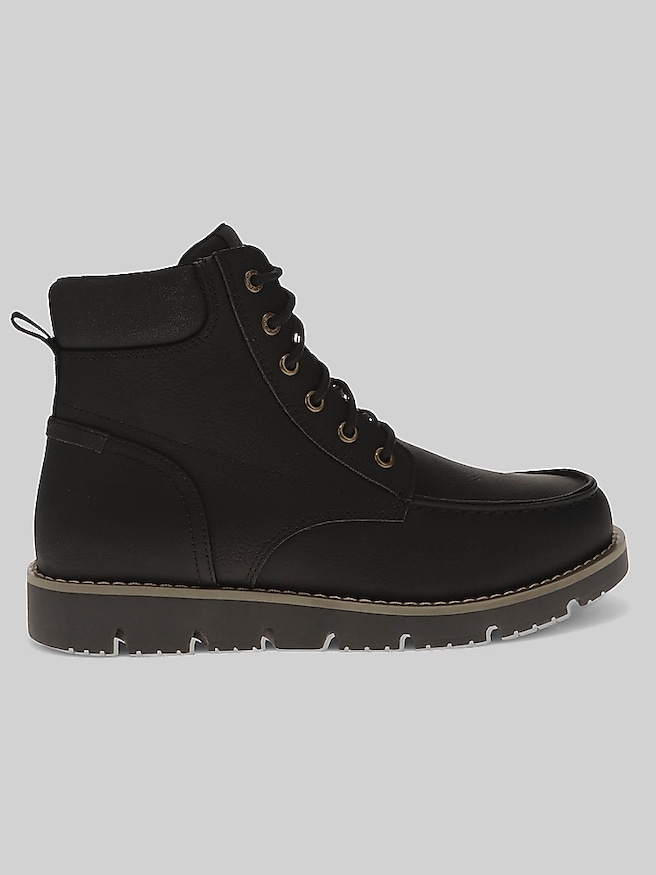
Comfort boots combine underfoot cushioning, a secure fit, and enough flexibility for a natural stride. The right balance depends on how the boots will be worn. A cushioned heel can take the edge off repeated steps across hard floors, while a broad base and a textured rubber outsole can help a boot feel steadier on uneven sidewalks. A sole that bends at the ball of the foot makes it easier to roll through each step without having to fight the boot. That flexibility doesn’t have to extend through the entire sole: a firmer section under the arch can give the foot a more stable platform. Foam footbeds range from soft and compressible to firm and springy, and the plushest option isn’t always the most comfortable after several hours. Arch support is also a matter of shape and placement. A gentle rise that meets the arch can feel supportive, while a pronounced contour in the wrong spot may feel like a ridge underfoot. A removable footbed can make room for a preferred insert without stacking extra padding inside the boot. The upper matters, too. Padding around the collar can soften contact at the ankle, but bulky padding or a stiff seam in the wrong spot can make itself known on every stair. For a commute that involves walking several blocks and standing on a train, a boot that balances moderate cushioning with a steady base can do more than an especially soft boot that lets the foot shift. For long stretches at a desk, a boot with a lower shaft or a more flexible upper may feel less restrictive when the ankle bends. Weight is another consideration: a substantial sole can feel reassuring when standing, but a lighter boot may be easier to wear on a route that involves plenty of stairs.
When comparing Comfortable Men's Boots, look for enough room to move the toes without giving up a secure hold at the heel. The ball of the foot should sit near the widest part of the boot, where the sole is designed to flex. If the foot slides forward on a downward step or the toes brush the front when walking, the fit needs another look. A touch of heel movement can occur in a pull-on boot, but repeated rubbing or enough lift to make the toes grip for balance is a poor trade for extra room. Lace-up boots offer more control over tension across the instep and around the ankle. Pull-on Chelsea boots rely instead on the shape of the upper and the give of the elastic panels, so the boot should hold the foot without squeezing across the top. Sock thickness can change both the heel hold and the room at the forefoot, making the socks usually worn with boots a better fit reference than whatever pair happens to be on hand. A short walk tells more than standing still: notice whether the boot creases into the toes, whether the heel slips on stairs, and whether the collar presses against the ankle when sitting. Leather can soften with wear, but a tight toe box or a seam that digs into the foot is unlikely to become comfortable through break-in alone. For office wear, a rounded toe and a slim sole can leave room up front while keeping a clean line under dress trousers. A broader toe and a more pronounced tread work naturally with straight-leg denim and casual chinos. The shape of the shaft makes a difference here as well: a close-fitting shaft lets a narrower trouser hem fall without bunching, while a wider opening pairs more easily with a fuller leg.
Materials influence how comfort boots feel at first and how they hold up with repeat wear. Smooth leather can soften at flex points and develop a finish that reflects how often the boots are worn. Suede lends a softer texture and a more casual look, though its raised nap calls for gentler cleaning. Textile panels can reduce weight, while a smooth lining can make a boot easier to slip on without catching the sock. Inside, feel for raised seams or ridges near the smallest toe and the back of the heel; those spots tend to be more noticeable several blocks into a walk than they are during a quick try-on. At the sole, even stitching and a neat join between the upper and outsole are worth noting. Some boots can be resoled when the tread wears down, but visible stitching by itself does not mean the sole is replaceable. Routine care can keep uppers supple and prevent grit from collecting at seams and flex points. A soft cloth works for surface dust on smooth leather, and a suede brush can lift dry dirt without flattening the nap. Use a conditioner suited to the finish, since products made for smooth leather may darken or mat suede. Between wears, letting boots air out before putting them away can help manage the moisture that builds up inside, and shoe trees can help leather uppers hold their shape. Periodically check for a heel that has worn unevenly, tread that has gone smooth, or a footbed that stays flattened after use. Each can change how steady or cushioned a familiar pair feels. Comfort boots can also make a practical gift for someone who walks to work, spends long stretches on their feet, or reaches for boots more often than sneakers. The width, toe shape, shaft height, and closure of a favorite pair offer better clues than size alone. For someone who regularly moves between a walk to the office and dinner out, a boot that fits well with everyday socks and sits neatly under both denim and trousers is likely to get plenty of wear.