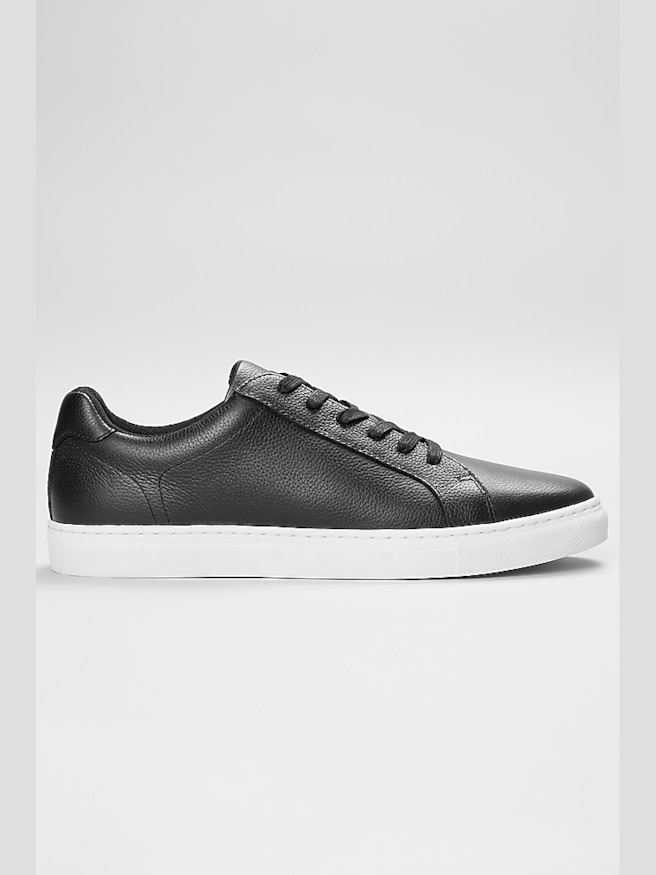
Comfort sneakers bring together cushioning, a secure fit, and easygoing style for everyday wear. Their appeal goes beyond a soft first step: a comfortable pair also gives the toes room to move, holds the heel without rubbing, and bends naturally as the foot rolls forward. For a commute that includes a walk from the station, an afternoon of errands, or a workday spent moving between desks and meeting rooms, those details can make footwear feel less distracting. Materials shape both the look and the feel. Knit and mesh uppers are often lightweight and breathable, with flexibility that accommodates movement across the top of the foot. Leather offers a smoother, more structured appearance that pairs naturally with chinos and casual tailoring, while suede adds a softer texture suited to relaxed outfits. Canvas has a familiar, understated character, though its comfort depends on the lining, cushioning, and construction beneath it. Inside the shoe, smooth seams and a softly finished collar can help reduce friction around the ankle. A cushioned footbed sits directly beneath the foot, while the midsole contributes to how the shoe absorbs impact and responds with each step. Softer cushioning may feel plush, but the most comfortable choice is not necessarily the one with the thickest foam. A balanced design combines cushioning with enough stability to keep the foot from feeling as though it is sinking or shifting sideways. Rubber outsoles provide a durable contact surface, and tread patterns influence traction on everyday walking surfaces. Flexibility through the forefoot supports a natural stride, while a reasonably stable heel helps the shoe feel controlled. Lightweight construction can be welcome on longer outings, but low weight alone does not establish comfort. The upper, footbed, midsole, and outsole need to work together. For men who want footwear that looks clean without feeling rigid, comfort sneakers offer a useful middle ground between athletic styling and traditional casual shoes. Simple profiles and restrained detailing make them easy to wear repeatedly, whether the day involves a quick coffee stop or several hours on foot.
Fit is personal, and comfort sneakers should accommodate the shape of the foot rather than require the foot to adapt to the shoe. Length matters, but so do width, depth, and the shape of the toe box. There should be enough space for the toes to lie naturally without pressing against the front or sides, along with a secure heel that does not lift noticeably during normal walking. A roomy toe box is not the same as an oversized shoe; extra length can allow sliding even when the forefoot still feels narrow. Laces offer useful control over the fit across the instep, while slip-on designs depend more heavily on the shape of the upper and the placement of stretch panels. The socks worn with sneakers also affect how they feel, especially when a thicker sock takes up space around the toes or heel. For someone who uses an orthotic, a removable footbed and sufficient interior depth may be helpful, although compatibility depends on the shoe and the insert. Persistent pressure or rubbing should not be treated as an inevitable break-in stage. Intended use is equally important. Everyday comfort sneakers are well suited to commuting, casual office settings, sightseeing, and routine walking, but a lifestyle design does not automatically provide the construction needed for distance running or court sports. Those activities place different demands on cushioning, traction, and lateral support. Styling can remain straightforward: smooth leather or suede finishes work well with a knit polo and tapered chinos, while textured fabric uppers feel relaxed alongside jeans and a casual shirt. A low-profile silhouette can complement an unstructured jacket when the setting allows sneakers, keeping the outfit polished without looking overly formal. For travel, a versatile pair can bridge a museum visit, a long walk through a terminal, and an informal dinner. Comfort sneakers can also make a thoughtful birthday, graduation, or Father’s Day gift for someone who values practical footwear. Familiarity with the recipient’s usual size, preferred width, and everyday style makes that choice more personal than relying on appearance alone.
Durability and care help preserve the qualities that make comfort sneakers enjoyable to wear. An upper can still look presentable after the cushioning beneath it has begun to feel flatter, so long-term condition involves more than checking for scuffs. Outsole wear, compressed midsoles, loose stitching, and a heel lining worn through by repeated movement can all affect the experience underfoot. Uneven tread wear may also change how securely the shoe contacts the ground. Sturdy stitching, reinforced high-contact areas, and an outsole suited to the intended use are useful construction details, though no single material guarantees a particular lifespan. Daily mileage, walking surfaces, fit, and care all influence how footwear holds up. Regular cleaning is generally easier on the materials than allowing dirt to build up. Loose dust can be removed with a soft brush, while leather may benefit from a suitable cleaner and occasional conditioning according to its care instructions. Suede calls for a brush and products intended for its textured surface rather than the same treatment used on smooth leather. Knit, mesh, and canvas require attention to the manufacturer’s directions, since adhesives, trim, and internal components can make machine washing unsuitable even when the outer fabric seems washable. Footbeds should be cleaned only as directed and allowed to dry fully before being returned to the shoe. Air-drying away from direct heat helps protect shape and construction; high heat can affect foam, adhesives, and some upper materials. Giving frequently worn footwear time to air out between uses can also help keep the interior fresh. When an outfit calls for a more substantial profile or additional ankle coverage, Comfort Boots offer another casual footwear direction. Sneakers remain especially useful when flexibility, a lighter silhouette, and easy coordination are priorities. The most satisfying pair feels secure through the heel, comfortable across the forefoot, and appropriate for the places it will be worn. That combination makes comfort a practical part of getting dressed, not simply a feature noticed during the first few steps.