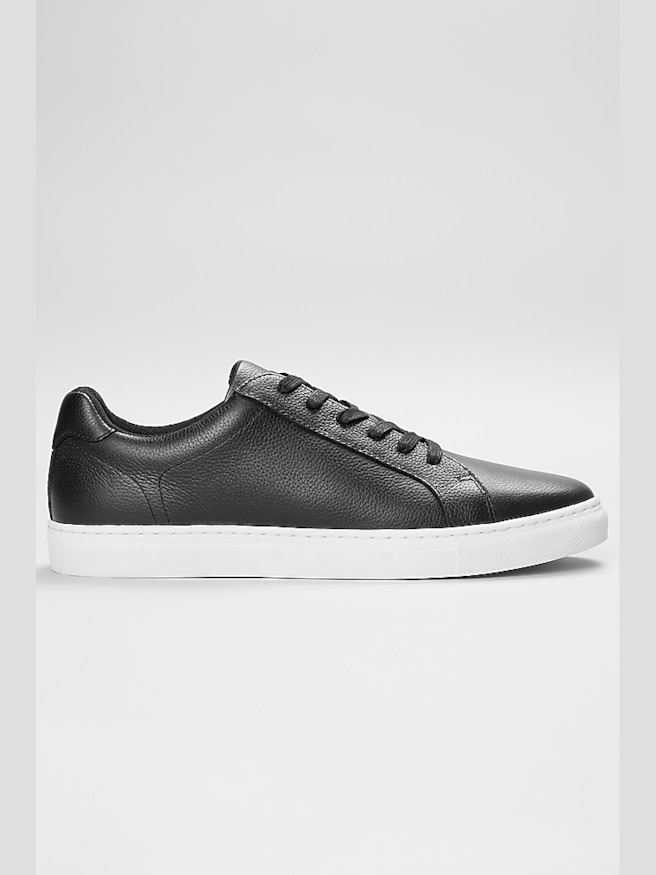
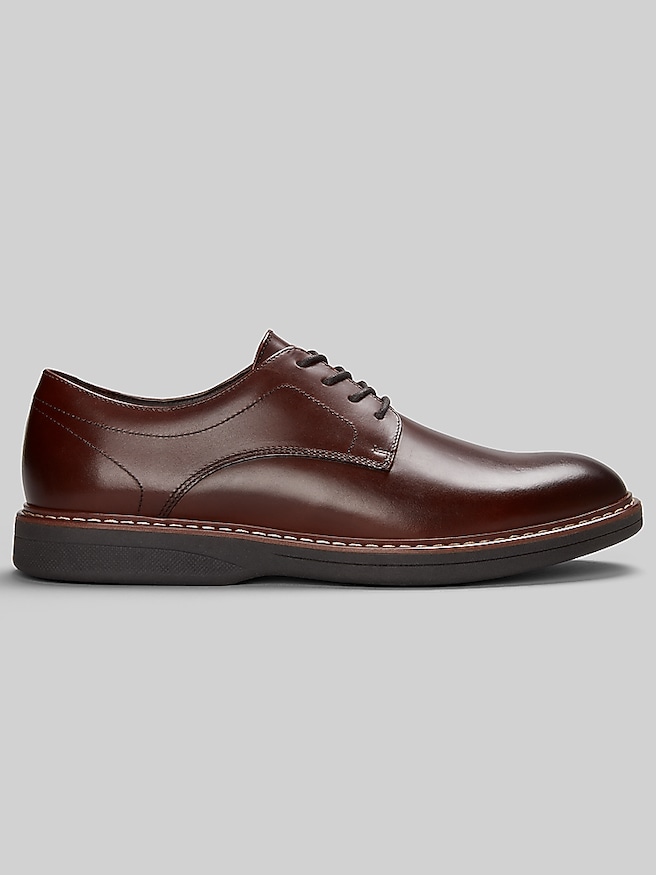
Comfort sneakers for men bring together underfoot cushioning, a secure fit, and the flexibility needed for everyday movement. Their appeal goes beyond a soft first impression: a comfortable pair should feel balanced when walking, remain steady when standing, and give toes enough room to move naturally. Cushioning and support serve distinct purposes. Cushioning helps soften the impact of each step, while support helps keep the foot positioned securely inside the shoe. Foam midsoles can provide a lighter, more cushioned feel, and shaped footbeds can add contour beneath the arch and heel. More cushioning does not automatically mean more comfort; an especially soft sole may feel pleasant at first but less stable for someone who prefers a firmer platform. For everyday walking, the useful combination is cushioning that feels comfortable underfoot, flexibility near the ball of the foot, and a heel that stays in place without rubbing. That balance matters during ordinary days spent crossing a parking lot, moving between office buildings, standing at a counter, or taking a longer route home. Breathable uppers, smooth interior seams, and padded collars can also make a noticeable difference when shoes stay on for hours. Walking sneakers, casual sneakers, and athletic-inspired styles may share these features, but their intended uses are not always interchangeable. Footwear designed for casual wear is not necessarily built for sustained running, court sports, or work environments with specific safety requirements. Outsole traction also depends on the surface and construction; a rubber sole alone does not establish that a shoe meets a workplace slip-resistance standard. For daily wear, comfort is best understood as the whole shoe working together rather than a single thick sole or plush lining. Men who spend much of the day on their feet, travel frequently, or simply want an easy alternative to more structured footwear can benefit from considering how a sneaker feels throughout a normal routine, not just during the first few steps.
Materials influence both the feel of men's comfort sneakers and how they hold up to regular wear. Mesh and knit uppers often provide airflow and a flexible feel, while leather can offer a more structured silhouette that becomes more supple with use. Suede adds a soft, textured finish but needs care suited to its surface. Synthetic materials vary widely, with some emphasizing light weight and others providing structure or easier cleaning. The lining matters, too: a smooth interior and well-finished seams help reduce irritating contact points, especially around the heel and toes. Fit remains essential regardless of the material. A well-fitting sneaker allows a little space beyond the longest toe, holds the midfoot securely, and avoids squeezing across the forefoot. Extra length is not a substitute for the correct width, since sizing up to relieve side pressure can leave the heel loose. Feet may become slightly fuller after hours of activity, making fit with everyday socks more informative than fit with an unusually thin pair. Adjustable laces allow the upper to accommodate modest changes in foot volume without requiring an excessively tight knot. For anyone who uses an orthotic, a removable footbed may be useful, provided the shoe has enough interior depth for the insert without crowding the toes or lifting the heel too high. Durability depends on construction, frequency of wear, walking surfaces, and care. Rubber in high-contact outsole areas can help resist abrasion, while reinforced sections around the toe and heel may protect places that receive repeated friction. Cushioning can compress over time even when the upper still looks presentable, so changes in underfoot feel deserve attention alongside visible wear. Routine care helps preserve both appearance and function: loose dirt can be brushed away, suitable cleaners can address marks, and shoes should air-dry away from direct heat. Leather, suede, and fabric need different cleaning methods, so material-specific care directions take priority. Allowing shoes to dry fully between wears helps manage moisture, and keeping laces and footbeds clean supports a fresher interior.
The versatility of comfort sneakers makes them a practical part of a men's wardrobe, particularly when the shape and finish suit the setting. A streamlined silhouette with restrained detailing can look clean beneath straight-leg jeans, chinos, or casual trousers. More athletic designs tend to bring a relaxed character to joggers, shorts, and off-duty outfits. Neutral colors are easy to coordinate, while texture can provide interest without relying on bold graphics: smooth leather feels polished, suede has a softer visual character, and mesh gives a distinctly sporty impression. The proportions of the shoe also affect the outfit. A substantial sole can balance fuller trousers, while a lower-profile sneaker often works neatly with a narrower leg opening. For settings where a tailored appearance matters but traditional dress shoes feel too formal, comfortable dress sneakers for men offer a related category worth considering. These styles generally emphasize cleaner lines and understated uppers, though suitability still depends on the occasion and any dress code. Sneakers can fit naturally into a business-casual office, a relaxed dinner, or a travel day that includes both walking and sitting for extended stretches. They are less appropriate where formal footwear is expected or where protective features are required. The best match reflects the wearer's habits as much as his clothing: someone who walks several blocks between appointments may value secure heel hold and a grippy outsole, while someone who spends hours standing may prefer a stable base with moderate cushioning. Comfort sneakers can also make a thoughtful gift for a father, brother, partner, or friend who appreciates practical wardrobe essentials. Familiarity with his usual size, preferred width, and everyday style helps make that choice more personal, particularly because fit varies across shoe constructions. A pair that coordinates with clothes he already wears is likely to become part of his regular rotation. Whether the priority is casual polish, walking comfort, or an uncomplicated everyday shoe, materials, fit, and intended use provide a more reliable foundation than appearance alone.