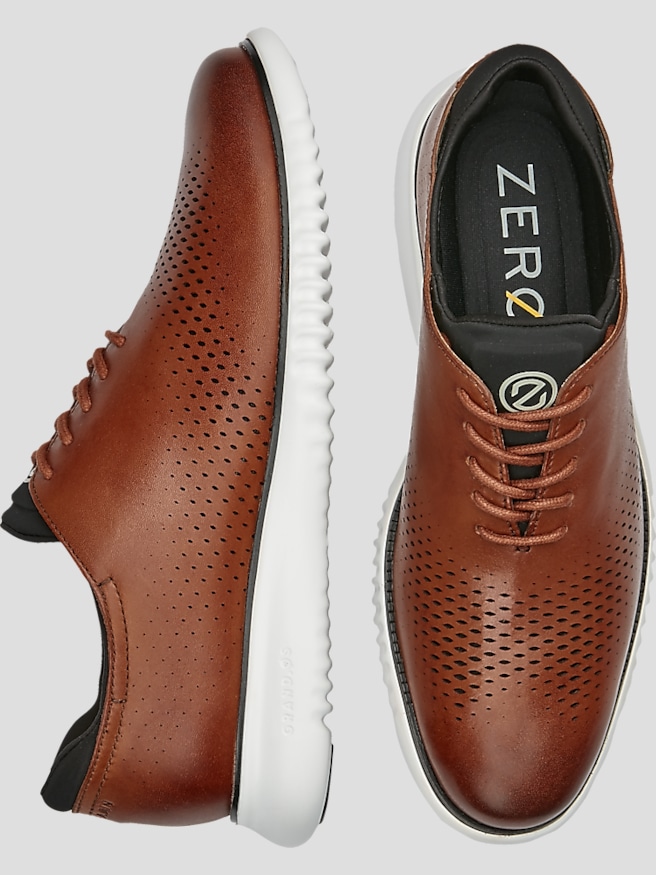
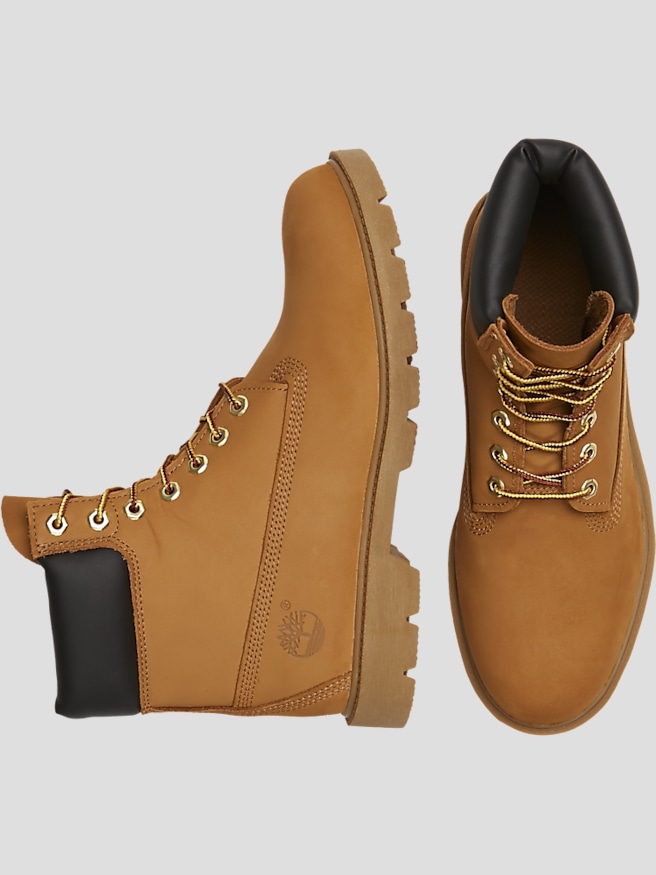
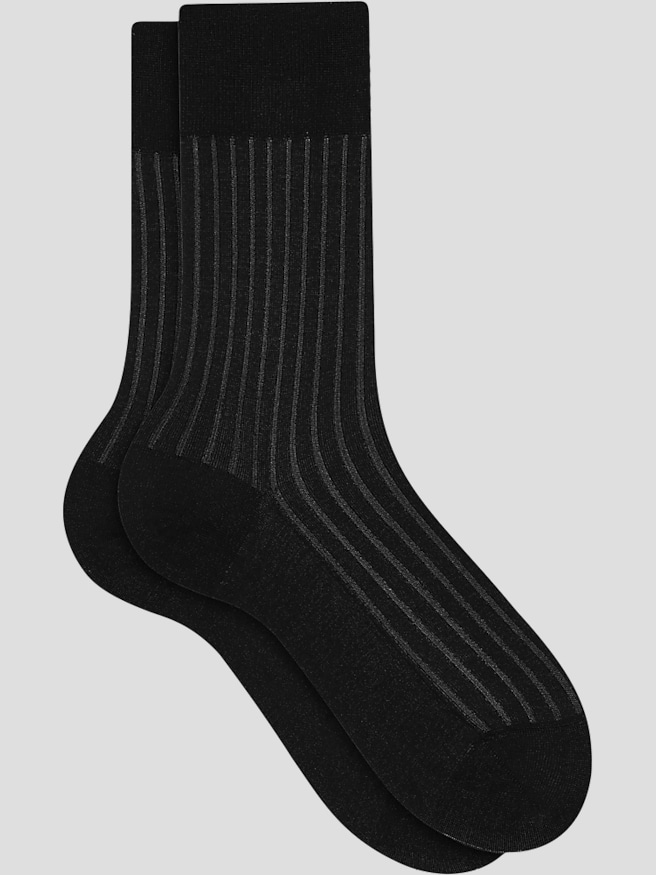
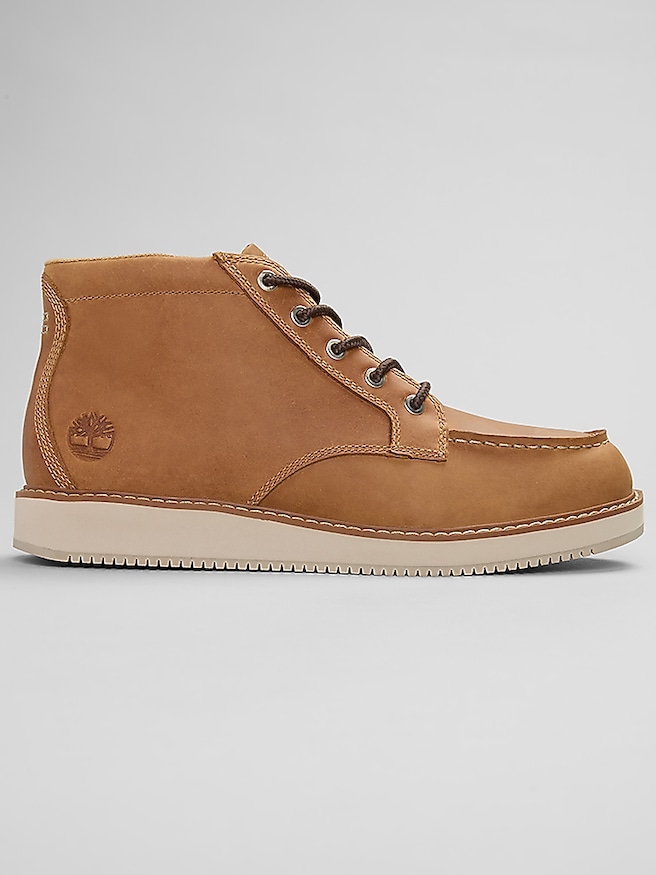
Lightweight boots bring the practical protection of a traditional boot together with the easier feel of an athletic shoe. This collection is designed for men who want dependable footwear without the heavy, stiff sensation that can make each step feel tiring by the end of a long day. Low-bulk materials, streamlined construction and cushioned midsoles can help reduce foot fatigue during extended work shifts, travel days, outdoor walks and weekend hikes. Many lightweight hiking boots weigh approximately 13 to 15 ounces per boot, while certain work-focused styles may weigh closer to 1.35 pounds per boot depending on the safety features, insulation and construction. That difference can be noticeable when you are climbing stairs, walking across a large property or covering uneven ground for hours. Lightweight boots may also be a useful choice for commuters and travelers who need more support than a sneaker but less weight than a heavily built outdoor boot. During the cooler months, they pair naturally with denim, chinos, flannel shirts and casual layers, creating a practical look that feels ready for a crisp morning walk or an afternoon spent outdoors. For a comfortable foundation, consider coordinating them with Lightweight Socks, especially when you want breathable coverage that does not add unnecessary bulk inside the boot.
When choosing from a selection of lightweight boots, consider where and how they will be worn before focusing on appearance alone. For hiking, walking trails or active outdoor use, look for a supportive midsole, a secure lace-up fit and a lugged rubber outsole that can help provide traction on loose soil, gravel and damp surfaces. A waterproof membrane or treated leather upper can be valuable when paths are wet, grass is covered in dew or the forecast changes during a day outside. Waterproof construction helps keep moisture from entering, although breathability still matters when you are moving continuously. For colder conditions, insulated designs can provide added warmth, while lighter uninsulated boots may be more comfortable for milder weather or high-activity use. Work boots call for a different set of priorities. A composite safety toe can offer jobsite protection with less weight and less temperature transfer than some traditional toe constructions, making it appealing for high-mobility jobs where walking, lifting and climbing are part of the routine. Slip-resistant outsoles, reinforced uppers and supportive ankle collars can also make a meaningful difference across long shifts. A padded tongue and cushioned footbed may improve comfort, but fit remains the most important detail: the heel should stay in place, the toes should have room to move and the boot should feel secure without pinching across the instep. If you are between sizes or plan to wear thicker socks, check the available sizing information and allow enough room for natural foot movement.
Lightweight boots are also a practical gift for someone whose routine combines work, travel and time outdoors. They can be a thoughtful choice for a man starting a new job, preparing for a hiking trip or replacing an older pair that has lost its cushioning and traction. A useful gift does not need to be limited to one season; a versatile pair can move from cool, wet mornings to dry trails and everyday errands as conditions change. For someone who spends most of the day on their feet, the benefits are easy to appreciate: less bulk in each step, cushioning that softens hard surfaces and a design that can transition from the jobsite to casual plans without looking out of place. Lightweight boots can also simplify packing because they provide the support of outdoor footwear while taking up less room than heavier alternatives. As the weather shifts toward cooler days, look for a balance of warmth, water resistance and breathability rather than choosing the most rugged construction by default. A boot with a flexible upper may suit walking and travel, while a more structured design may be better for demanding work or uneven terrain. Price can vary widely based on materials and protective features, with many lightweight options falling roughly between $90 and $240. The best value comes from matching the boot’s construction to its intended use, whether that means dependable traction for trails, a safety toe for work or weather-ready comfort for everyday wear.