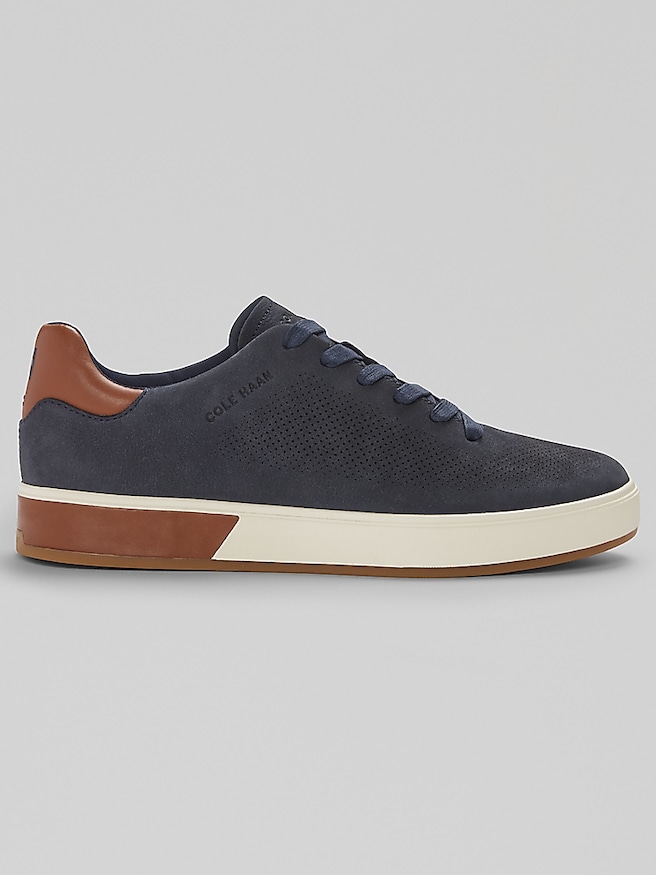
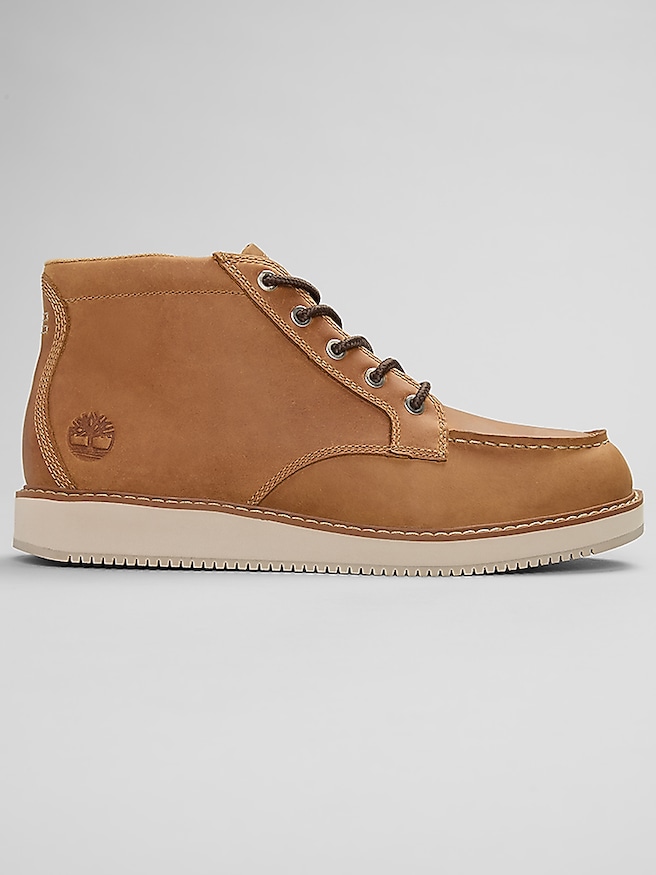
Lightweight shoes get their easy feel from the whole build, not just the sole. A thinner lining, a flexible upper, and foam underfoot can all take weight out of a shoe. The result might be a lace-up that looks at home with tailored trousers or a sneaker made for a day of walking. There’s no universal weight cutoff, and listed weights can vary by size and by whether the number is for one shoe or the pair. What matters in practice is what the shoe does well without the extra bulk. A low-profile loafer can look neat under a narrower trouser hem, while a walking sneaker may need a broader base and more room for the toes to spread. Mesh lets air move through the upper and makes sense for casual shoes that cover a lot of ground. Knit can also keep the upper light, with a softer feel across the top of the foot, though the amount of stretch varies with the weave and lining. Smooth leather can give a lightweight dress shoe enough structure to keep a clean shape alongside a suit, especially when it’s paired with a slim sole. Underneath, foam adds cushioning with less weight than a thick, solid rubber sole would typically add. Some outsoles use rubber only where it sees the most wear, often at the heel and forefoot, leaving foam exposed elsewhere. A sole that bends at the ball of the foot can feel easy through a rolling stride, while a firmer build may feel steadier when standing for long stretches. That difference is easy to appreciate on a day that starts at a desk and ends at a reception, with a walk across town in between. A shoe that looks like a traditional dress lace-up from across the room can still feel noticeably less substantial on the foot, without having the distinctly casual look of a running shoe.
Fit makes as much of a difference as weight on a long day. There should be enough space ahead of the longest toe that it doesn’t bump the front when walking downhill or taking the stairs. A tapered toe can look sharp with dress clothes, but the widest part of the foot still needs room, and a soft upper shouldn’t have to stretch around the toes just to make the shoe wearable. At the back, the heel should feel secure without the collar digging in. Laces offer some room to adjust the hold over the instep, which is useful when one foot is slightly fuller than the other. A slip-on relies more on the shape of the opening and how closely the upper sits across the foot. Socks matter here, too: a pair of Lightweight Socks can take up less room inside a close-fitting loafer, while a sock with a cushioned heel and forefoot can change how snug a sneaker feels. It helps to gauge fit with the type of sock that will actually go into the shoe. For travel, easy on and off is a practical detail, but a pair that grips the heel is more comfortable to walk in than one that has to be held in place by curling the toes. For regular walking, look for cushioning that still feels stable through a full stride, not just soft on the first step. A running shoe designed to save weight for racing isn’t necessarily the best fit for hours of walking, and a trail shoe needs tread and protection that a shoe intended for sidewalks may not have. Minimalist styles can be light and flexible with very little padding, so they won’t feel the same underfoot as lightweight shoes with thicker foam. The most useful comparison comes down to where the pair will spend most of its time: on a commute, under a desk, on a long walk, or packed for a trip with only room for one change of shoes.
A lightweight build doesn’t necessarily mean a short service life. Durability depends on where material has been trimmed and where it’s been left in place. A rubber heel patch can help protect an area that scrapes the pavement with each step, and reinforcement around the toe can keep a soft upper from taking the full force of repeated scuffs. Exposed foam may show wear sooner where it meets rough concrete, while a fine knit can catch more easily than a smooth leather upper. For shoes that see heavy sidewalk use, rubber coverage in the spots that make the most contact can matter more than a small difference in weight. Care can be straightforward. A soft brush can lift dried dirt from mesh or knit, and a lightly damp cloth is often enough for a surface mark on smooth leather. Suede generally calls for a brush made for its raised texture rather than the same wiping routine used on finished leather. Check the care directions before using a cleaner or putting any pair in the washing machine, since the upper and the sole may require separate treatment. Let shoes air out before putting them away, especially if they’ve spent the day on the foot and the evening in a travel bag. For dressier leather styles, shoe trees can help the uppers hold their shape between wears. Lightweight shoes can make a practical gift for someone who travels often, walks to work, or spends much of the day standing. A familiar size is a good starting point, but the shape of a pair already in regular use tells more: a roomy forefoot, a snug heel, or enough depth for a preferred insole can be the detail that makes the new pair useful. For an office wardrobe, a simple shape that works with both chinos and tailored trousers can see plenty of wear. For someone who gets around mostly on foot, a secure heel, toe room, and traction may count for more than a dressier finish.