Cotton white shirts bring a clean, versatile foundation to a wardrobe, whether the setting calls for a suit and tie, tailored trousers, or dark denim. Their appeal starts with cotton itself: a natural fiber valued for its softness, breathability, and ability to absorb moisture. The weave gives that fiber much of its finished character. Poplin typically has a smooth surface and a fine, closely woven structure that sits neatly beneath a jacket. Broadcloth offers a similarly crisp appearance, making it a familiar choice for dress shirts. Oxford cloth has a more noticeable basket-weave texture and a substantial feel that works especially well with chinos, knitwear, and less structured tailoring. Twill is recognizable by its subtle diagonal ribs and often has a supple drape; depending on its construction, it can also show creases less readily than a lightweight plain weave. No single weave is best for every purpose. A smooth white cotton dress shirt creates a restrained backdrop for a patterned tie, while a textured Oxford can make an open collar look intentional rather than unfinished. Fabric weight and density matter, too, particularly with white clothing. A very fine fabric may reveal the outline of an undershirt, while a denser construction can provide more coverage without necessarily feeling stiff. An undershirt close to the wearer’s skin tone generally shows less beneath white fabric than a bright white one. Fiber content is another useful distinction: pure cotton emphasizes the natural feel of the fiber, while cotton blends may include polyester for easier maintenance or elastane for added stretch. Those differences affect drape, movement, and care, so the fabric label is more informative than appearance alone. For an office presentation, wedding reception, graduation, or dinner reservation, the strongest choice is a shirt whose texture and level of structure match the rest of the outfit. White provides the visual consistency; the fabric determines whether the result feels crisp, relaxed, or somewhere between.
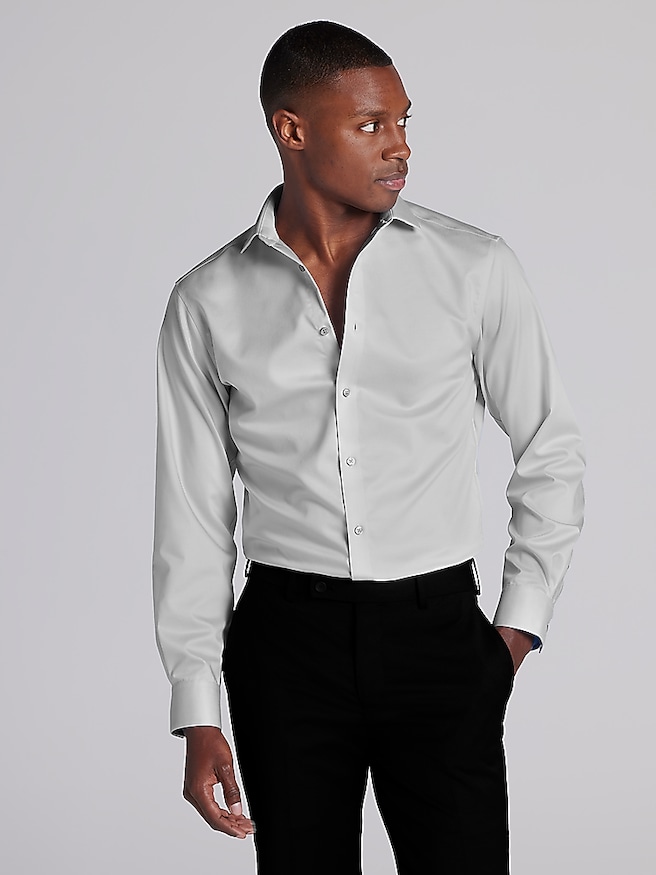
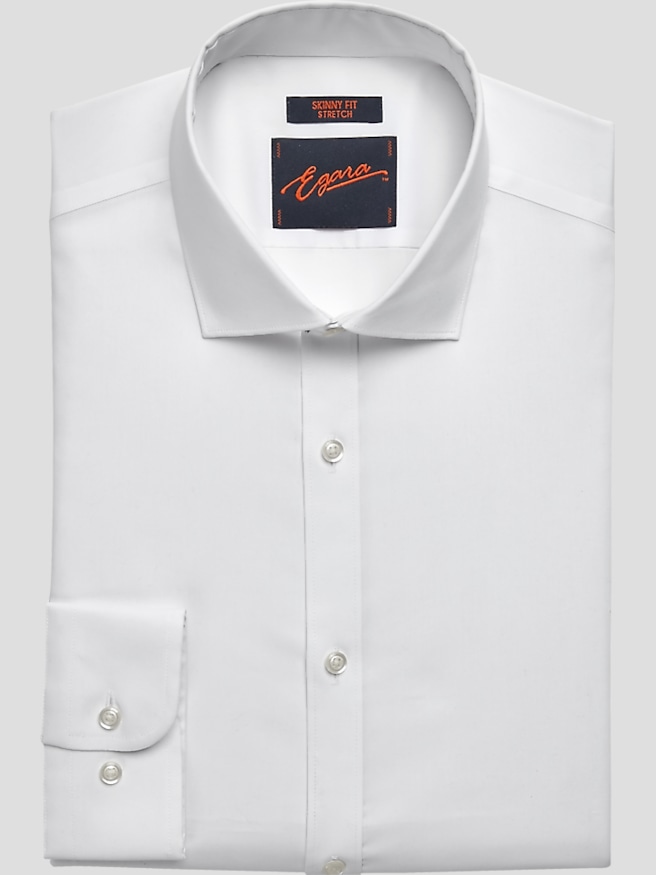
Fit gives cotton white shirts their shape and makes a noticeable difference over a full day of wear. Shoulder seams should generally sit near the edge of the shoulders, with enough room across the upper back to reach forward without pulling hard at the fabric. The front placket should lie flat rather than opening between buttons, and the body should follow the torso without clinging. Slim cuts reduce excess fabric through the chest and waist, while classic cuts usually allow more room; the names are not standardized, so measurements remain important. A useful test is to sit down, extend both arms, and bend the elbows. A shirt that looks tidy while standing still should also feel comfortable at a desk or behind the wheel. When the top button is fastened, the collar should allow a little breathing room without leaving a conspicuous gap around the neck. Sleeves should reach approximately to the wrist hinge with the arms relaxed, and cuffs should stay in place rather than sliding far onto the hands. Beneath a properly fitted jacket, a small amount of shirt cuff can remain visible. Length deserves equal attention. Longer tails help a dress shirt stay tucked when reaching or sitting, while a shorter hem can look more balanced worn outside trousers. Collar construction changes the overall impression as well. A point collar offers a traditional frame for a tie, a spread collar creates more space for the knot, and a button-down collar secures the collar points for a softer, less formal look. Button-up describes a shirt with a buttoned front; button-down specifically refers to those fastened collar points. The broader range of Men's White Button Up Shirts offers another way to explore that wardrobe staple. For everyday combinations, white cotton pairs naturally with navy trousers, charcoal tailoring, olive chinos, or indigo jeans. An open neckline and neatly rolled sleeves can relax the effect, while a pressed collar, tucked hem, and leather belt bring it back toward business dress. For events with a prescribed dress code, collar and cuff details should support that requirement rather than substitute for it.
Good care helps a white cotton shirt retain its clean appearance and useful life, especially around the collar, cuffs, and underarms where residue tends to accumulate. The care label should guide washing, drying, and ironing because fabric finishes, blends, and construction can call for different treatment. Separating whites from dark or strongly colored garments reduces the risk of dye transfer. Treating marks promptly, using a product suitable for the fabric, is usually more effective than letting them settle through repeated wear. Collar soil often benefits from gentle pretreatment before laundering; hard scrubbing can abrade the surface and shorten the life of an otherwise sound shirt. More detergent is not necessarily better, since excess can leave residue when it does not rinse away fully. Bleach also requires caution. Chlorine bleach is not suitable for every white shirt and can affect some fibers or finishes, so any whitening treatment should be consistent with the care instructions. Cotton can shrink with heat, making appropriate wash settings and careful drying particularly important. Removing a shirt promptly from the dryer, or smoothing it into shape for air drying when permitted, helps limit deep wrinkles. Ironing while the fabric is slightly damp can make creases easier to release, with the heat setting adjusted to the fiber content. A wrinkle-resistant finish may reduce pressing time, but it does not eliminate the need for thoughtful laundering. Durability depends on more than fabric thickness: even stitching, secure buttons, well-finished seams, and careful handling all contribute. Rotating shirts between wears and repairing a loose button early can prevent avoidable strain or loss. For someone building a professional wardrobe, preparing for interviews, or replacing a frequently worn basic, a cotton white shirt serves a clear, practical purpose. It can also be a useful graduation or career-milestone gift when the recipient’s neck size, sleeve length, and preferred fit are known. The lasting value lies in repeat wear: a comfortable collar, dependable coverage, sleeves that move easily, and a fabric that returns to a neat finish with manageable care.