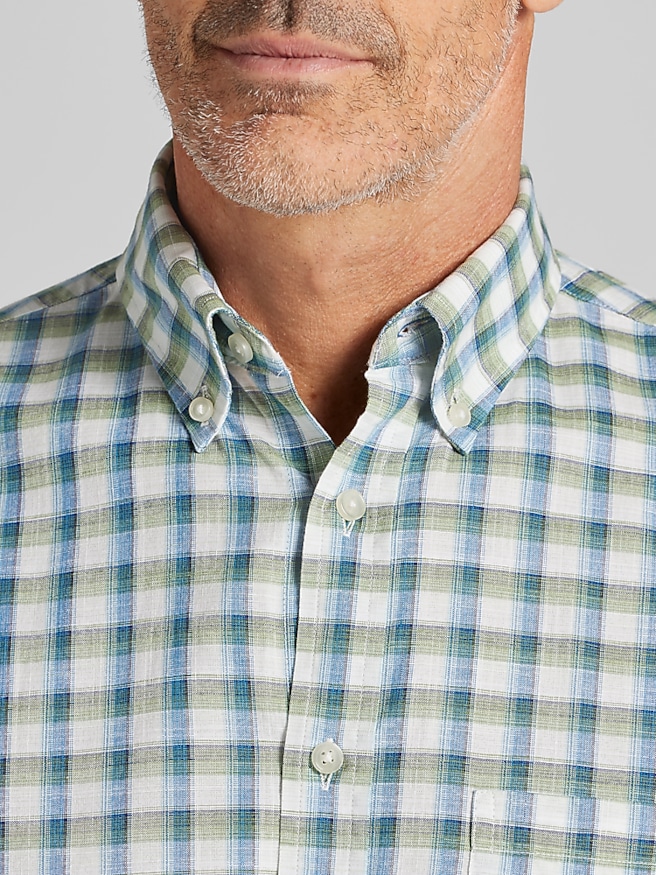
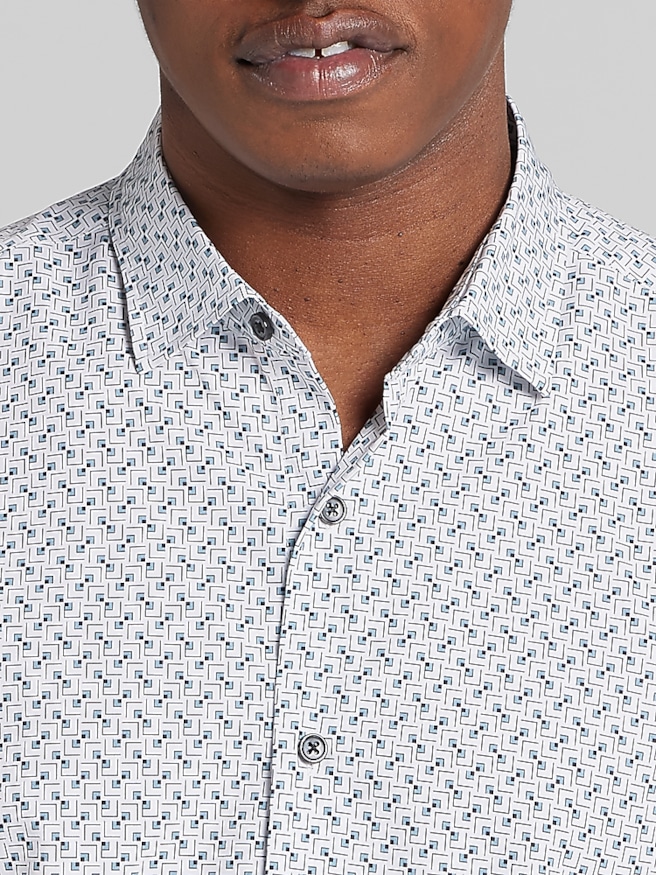
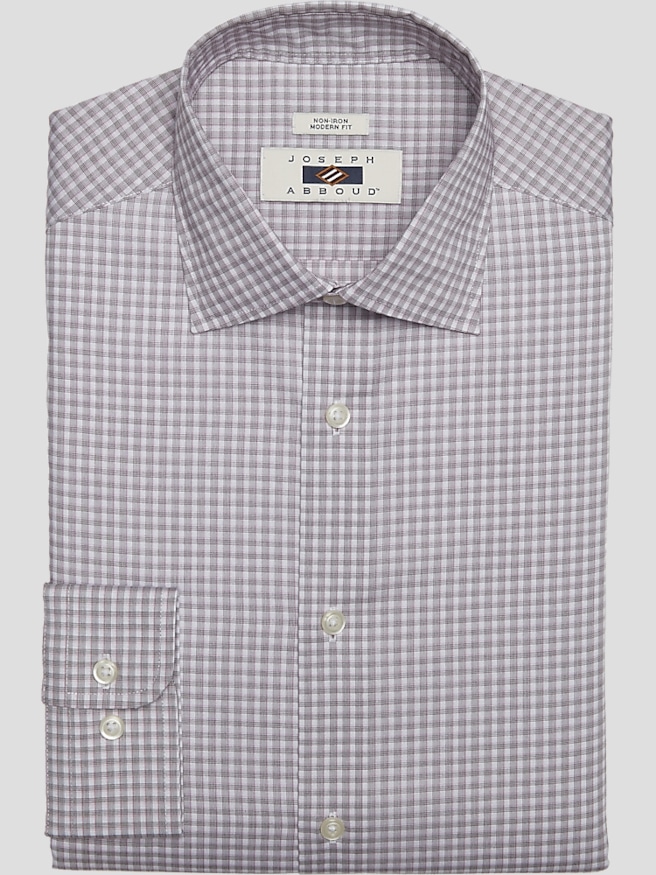
Cotton plaid shirts bring pattern, texture, and everyday comfort to a wardrobe without requiring much coordination. Plaid describes the intersecting bands of color that form the pattern, while cotton identifies the fiber; the weight, weave, and finish determine how a shirt feels and where it fits into the day. A smooth cotton poplin plaid has a cleaner surface that works well beneath a sweater or casual jacket, while brushed cotton flannel has a soft, lightly fuzzy texture suited to cooler mornings and relaxed evenings. Cotton twill, recognizable by its subtle diagonal weave, can offer a more substantial feel without the brushed surface of flannel. Not every plaid shirt is flannel, and not every cotton shirt provides the same warmth. Lighter fabrics are useful in heated offices and for layering, while heavier fabrics give an outfit more structure and insulation. Cotton absorbs moisture and generally allows air to circulate, though fabric density and any added finish affect breathability. It also dries more slowly than many performance fabrics, making cotton plaid an everyday choice rather than the first option for strenuous activity in cold, wet conditions. Pure cotton emphasizes the natural feel of the fiber, while cotton blends may incorporate stretch, added strength, or easier wrinkle management, depending on their composition. Pattern scale makes just as much difference as fabric. A small, low-contrast plaid can read almost like a solid from across a room, making it easy to pair with tailored pants for a relaxed office setting. Broad checks and stronger color contrasts create a more casual impression with jeans or sturdy chinos. Navy, gray, brown, and muted green provide grounded starting points, while a red or blue accent can brighten a neutral outfit. Yarn-dyed plaids use colored yarns woven into the pattern rather than a pattern applied only to the surface, although lasting color still depends on dye quality and proper care. Together, these details explain why cotton plaid shirts can feel crisp and understated, soft and familiar, or substantial enough to serve as a light outer layer.
Fit determines whether a cotton plaid shirt looks polished on its own and feels comfortable beneath another layer. Shoulder seams should sit close to the edge of the shoulders in a conventional fit, with enough room across the upper back to reach forward without strain. A button placket that pulls open across the chest usually signals a need for more room, while excess fabric bunching at the waist can make a shirt awkward to tuck. Slim fits typically sit closer through the torso, classic fits allow more ease, and relaxed fits leave additional room for movement or a T-shirt underneath; exact measurements vary by maker. Shoppers comparing roomier sizing can explore Large Cotton Shirts, keeping chest, neck, sleeve, and body measurements in mind rather than relying on a size label alone. Length matters, too. A longer curved hem generally stays tucked more securely when sitting at a desk or reaching overhead, while a shorter hem can look balanced worn loose with jeans. Sleeves should reach the wrist without swallowing the hand, and cuffs should close comfortably without restricting movement. For someone who spends the day driving, typing, or moving between appointments, ease through the shoulders and elbows can matter more than a sharply tapered silhouette. The intended outfit helps settle the details. A fine plaid tucked into flat-front chinos with a leather belt suits an office where open collars are welcome. A softer, larger-scale plaid worn over a solid T-shirt feels at home at a neighborhood gathering or a weekend breakfast. Under a crewneck sweater, a compact pattern adds interest at the collar and cuffs without competing with the knit. Beneath a casual blazer, smoother cotton usually creates less bulk than thick flannel. Choosing one prominent pattern and keeping the surrounding pieces relatively quiet lets the plaid remain the focus. Repeating a single color from the shirt in pants or a sweater creates a coordinated look without making every piece match.
A well-chosen cotton plaid shirt should also suit the amount of upkeep its wearer is comfortable with. Cotton can wrinkle and may shrink, especially with excessive heat, so the sewn-in care label is the best starting point for laundering. Cool water, similar colors, and a wash cycle appropriate to the fabric often help preserve its appearance. Prompt removal from the washer or dryer limits deep creases, and smoothing the collar, placket, and cuffs before hanging can reduce later pressing. When tumble drying is permitted, lower heat is generally gentler than a hot cycle; reshaping and air-drying may be preferable for some fabrics. Smooth woven cotton often benefits from an iron at the recommended setting, while brushed flannel usually looks best when its soft surface is left less sharply pressed. Any wrinkle-resistant treatment should be understood as a convenience rather than a promise that a shirt will never need attention. Durability comes from more than fabric weight. Even stitching, securely attached buttons, tidy buttonholes, and sound seams help a shirt stand up to repeated wear. Cuffs, elbows, and collar edges receive frequent friction, so checking those areas during routine care can catch a loose thread or button before it becomes a larger repair. Darker plaids and textured surfaces may make minor creasing less noticeable, but they still benefit from gentle washing and careful storage. These practical qualities make cotton plaid shirts useful for men building a casual wardrobe, refreshing everyday office outfits, or adding comfortable layers for the cooler months. They can also make thoughtful gifts for a dad, partner, brother, or friend whose preferred fit and colors are familiar. Someone who regularly wears tucked shirts may appreciate a smoother fabric and restrained pattern, while someone who favors jeans and boots may get more use from a soft flannel with a relaxed shape. For travel, a plaid shirt can cover several casual settings, though cotton should be packed with realistic expectations about creasing. The strongest choice is one that fits the wearer's routine: comfortable through a long afternoon, easy to combine with familiar clothes, and suited to the care it will actually receive.