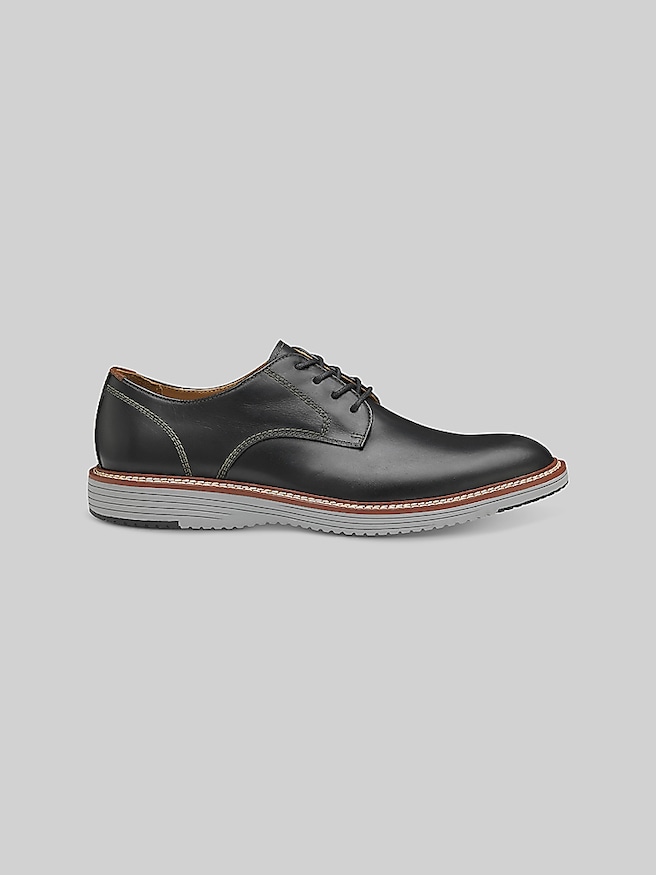
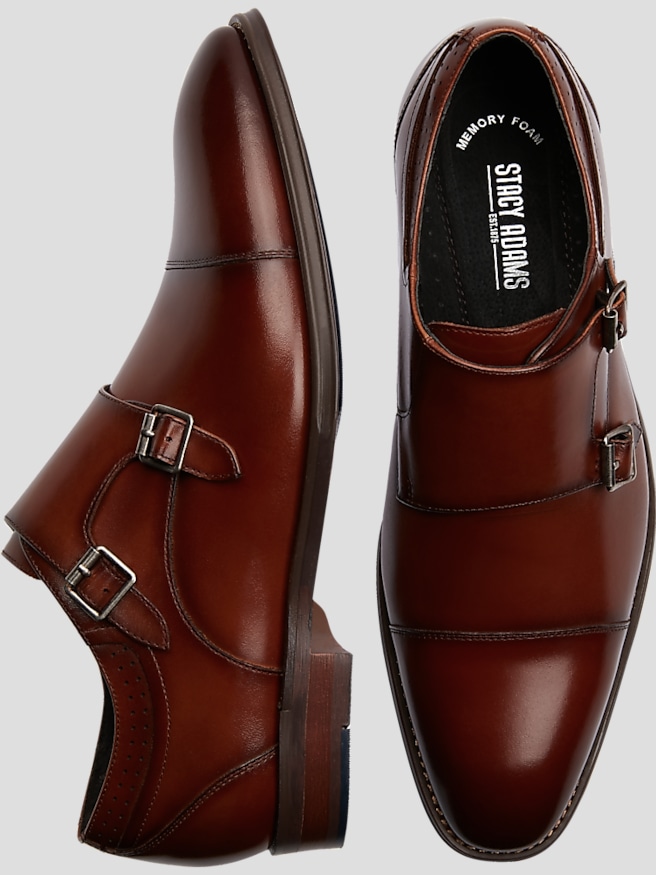
Comfortable black shoes for work combine a job-appropriate appearance with a secure fit, room through the toes, and cushioning suited to the time spent standing or walking. The right style depends on both the dress code and the demands of the day: leather oxfords bring a structured finish to tailored clothing, loafers offer a streamlined slip-on option, and understated sneakers can suit workplaces with more relaxed standards. Black is especially versatile because it works with charcoal trousers, navy suits, gray chinos, and many uniforms without drawing attention away from the rest of an outfit. For someone moving between a desk, conference rooms, and client appointments, a low-profile dress shoe can provide the polish the setting calls for without feeling overly formal. A role that involves greeting guests, leading presentations, or walking between departments puts more emphasis on flexibility, stable footing, and cushioning that remains comfortable beyond the first hour. Neither a soft interior nor a lightweight feel tells the whole story; comfort also comes from how well the heel stays in place and how naturally the shoe bends with each step. Lace-up styles allow adjustments across the instep, while loafers rely more heavily on the shape of the shoe matching the foot. Rounded and almond-shaped toes can both look professional, provided the interior leaves enough space for the toes rather than squeezing them into the outline of the upper. A black finish also makes subtle design details more noticeable: a clean toe, restrained stitching, and a smooth profile tend to feel dressier, while visible tread and mixed textures create a more casual impression. For workplaces with specific footwear rules, appearance is only one consideration. Required slip resistance, protective features, and other job-specific standards take priority over dress-shoe styling, particularly in settings with spills, heavy equipment, or other occupational hazards. An office-ready pair should not be assumed to meet those requirements simply because it has a rubber sole.
Materials and construction influence how black work shoes feel through a full schedule. Leather uppers can soften with wear and conform gradually to the foot, although the initial fit should already be comfortable rather than painfully tight. Smooth leather has a polished appearance that suits business clothing and generally responds well to routine cleaning and conditioning. Suede brings a softer, more textured look, while textile and synthetic uppers vary considerably in flexibility, ventilation, and maintenance needs. Interior details matter just as much as the outside finish. Smooth linings, neatly finished seams, and a padded collar can reduce distracting friction around the heel and ankle. Underfoot, cushioning helps soften contact with hard floors, but a very plush footbed is not automatically the most comfortable choice for every wearer. Some people prefer a firmer, more stable feel, especially when standing for extended periods. Arch contours should sit comfortably beneath the foot rather than creating a noticeable pressure point, and removable footbeds can make room for an appropriate replacement insert when the shoe has sufficient interior depth. Sole design also affects the experience of walking across an office lobby, taking stairs, or covering several blocks between appointments. A flexible forefoot supports natural movement, while a stable heel helps keep the shoe from feeling loose or unsteady. Fit is best understood as a combination of length, width, and volume, not just the number printed inside. Two shoes in the same labeled size may fit differently through the toe box, heel, and instep. Work socks also take up space, so the fit should reflect the socks that will actually be worn. A heel that lifts repeatedly, toes that press against the front, or tightness across the widest part of the foot can become more noticeable over a long day. Break-in may soften an upper, but it should not be expected to correct the wrong size or shape.
Durability in work footwear comes from suitable materials, sound construction, and care that matches the finish. Daily walking puts repeated stress on the forefoot, heel edges, and areas where the upper meets the sole, making secure stitching and well-finished joins meaningful details. A sturdy shoe does not have to feel heavy, and a lightweight shoe is not necessarily less durable; the balance depends on its construction and intended use. Smooth leather benefits from having dust removed before a suitable conditioner or polish is applied according to the care instructions. Black polish can refresh color on compatible leather, but it is not appropriate for every surface, including suede and many coated materials. Textured uppers need their own cleaning methods to preserve the finish rather than flatten or discolor it. Allowing shoes to air out between wears helps the interior dry, and shoe trees can help compatible leather styles retain their shape. Direct heat can damage materials and adhesives, so gentle drying is generally preferable. Over time, compressed cushioning, worn tread, an uneven heel, or a separating sole may change how a pair feels and performs, even when the uppers still look presentable. The lasting appeal of Black Comfortable Work Shoes is their ability to support a coordinated wardrobe without requiring a separate pair for every meeting or routine workday. A sleek lace-up can move from everyday tailoring to an important presentation, while a simple loafer can complement both dress trousers and a more relaxed office outfit. They can also make a practical gift for someone starting a new position, preparing for interviews, or refreshing a professional wardrobe, provided the recipient’s size, preferred fit, and workplace requirements are known. Whether the day involves mostly seated tasks or frequent movement, the most useful pair balances a clean appearance with comfort that suits the wearer’s actual routine. That combination makes black work shoes a dependable part of getting dressed for the job, not merely a finishing detail.