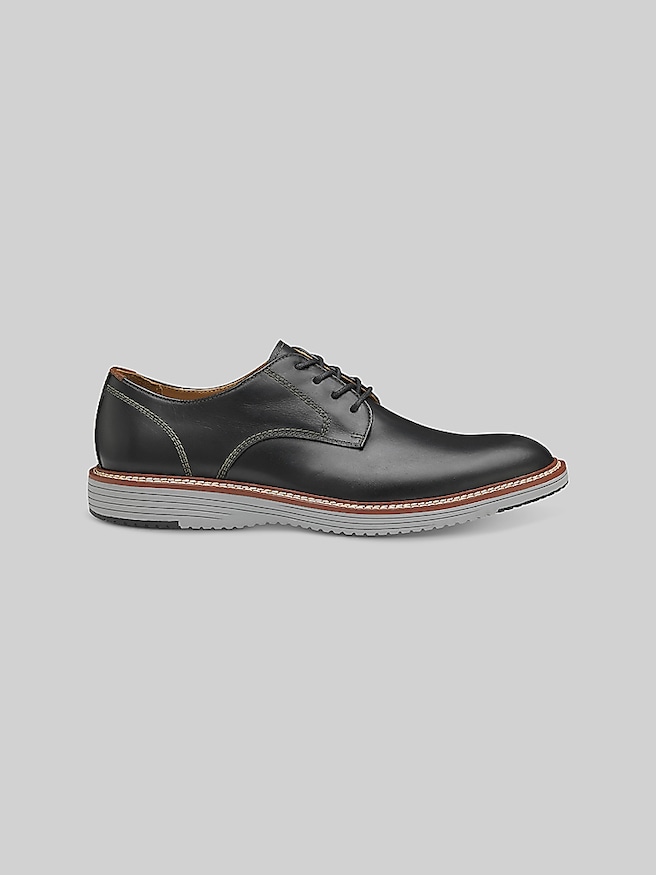
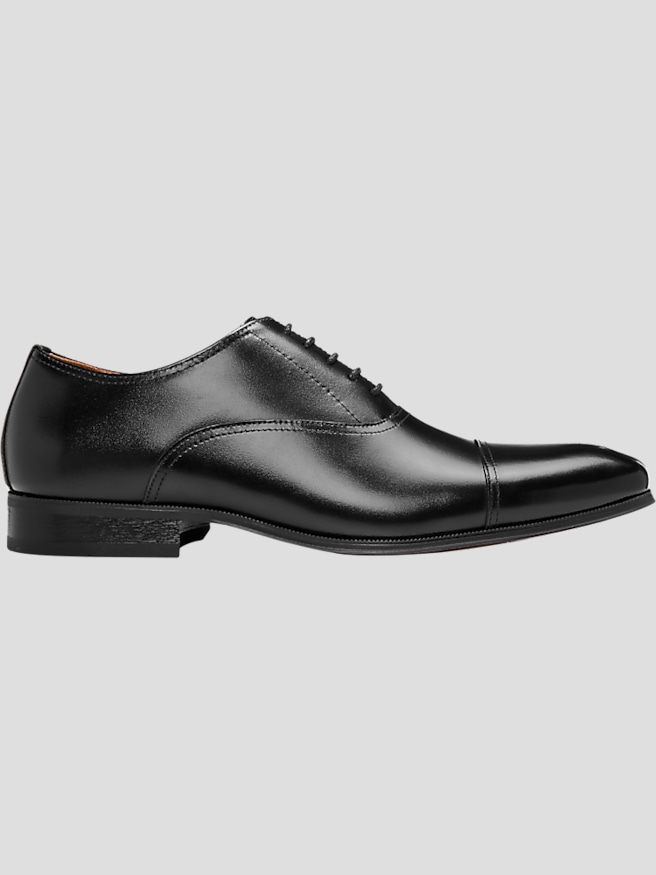
Comfortable black work shoes bring together a workplace-appropriate appearance, a secure fit, underfoot cushioning, and a sole suited to the demands of the day. The right balance depends on whether that day involves sitting through meetings, walking between buildings, greeting clients at a reception desk, or spending hours on a showroom floor. Black is especially versatile because it pairs easily with charcoal trousers, navy suits, gray chinos, and many uniform requirements without drawing attention away from the rest of an outfit. Within that familiar color, shape and construction make a noticeable difference. A sleek leather oxford has a more formal character, while a derby’s open lacing can provide greater flexibility when adjusting the fit across the instep. Loafers offer a clean, slip-on profile for business-casual settings, provided the heel stays secure without the toes gripping to hold the shoe in place. Minimal black sneakers may suit a more relaxed workplace, particularly when the dress code permits athletic-inspired footwear. Smooth uppers, restrained stitching, and a low-profile sole generally create a dressier appearance than prominent tread or contrasting details. A matte finish tends to look understated, while a polished finish can complement tailored clothing for presentations and client-facing appointments. Comfort is not limited to a soft first impression, either. A shoe that feels pleasantly cushioned for a few minutes still needs enough structure and stability for repeated trips down a corridor or a lengthy stretch at a standing desk. For men moving between professional and social settings, black footwear can also make the transition from the office to dinner feel straightforward. The most useful choice reflects the actual workplace: dressier construction for formal surroundings, more forgiving flexibility for frequent movement, and task-appropriate protection wherever job requirements call for it. A polished appearance alone does not make a shoe suitable for every occupation, and designated safety requirements should always take priority over styling.
Fit is central to how black comfortable work shoes perform over a full day. There should be room for the toes to rest naturally without pressing against the front or being squeezed together, while the heel and midfoot feel held rather than pinched. A longer size is not necessarily a solution to a narrow fit; it can introduce heel movement while leaving pressure across the forefoot unresolved. Width, toe shape, and instep volume all contribute to comfort, especially for someone whose feet feel fuller after several hours of standing or walking. The socks worn with the shoes matter as well, since a thin dress sock and a thicker cushioned sock change the space available inside. Lace-up styles allow adjustments across the upper, while slip-ons depend more heavily on the shape of the shoe matching the foot. Cushioning can soften the feel of each step, but it works best alongside a stable platform rather than an excessively yielding base. A supportive footbed, a smoothly finished interior, and a heel collar that does not rub can be just as important as the amount of padding underfoot. Removable insoles may be useful for someone who uses an insert, although the shoe needs sufficient interior depth to accommodate it without creating pressure. For roles involving frequent walking, manageable weight and flexibility through the forefoot can help the shoe move naturally with each stride. For longer periods in one place, a steady base and well-distributed cushioning may be more relevant than a sporty appearance. Outsole construction deserves equal attention. Rubber compounds and tread patterns vary, and a dressy black sole should not automatically be assumed to provide slip resistance. Workplaces with slick floors may require footwear specifically identified for that purpose, and no sole can guarantee traction on every surface. These details distinguish everyday office footwear from shoes intended for more demanding environments. They also explain why the same pair can feel appropriate for a desk-based schedule yet less suited to a job that involves nearly continuous movement.
Materials and maintenance influence both the feel and the useful life of work footwear. Smooth leather can develop flexibility with wear and usually allows surface marks to be cleaned and polished, making it a practical material for a consistently neat appearance. It should feel accommodating from the start, however; a painful pressure point is not something to dismiss as a necessary break-in stage. Synthetic uppers vary widely in softness, breathability, and care requirements, while textile panels can create a lighter, more casual look. Interior linings also affect comfort, particularly where seams meet the heel or the sides of the toes. Durable construction is often visible in even stitching, securely joined soles, and reinforcement at areas that experience repeated bending. No single construction method guarantees longevity, since walking habits, floor surfaces, and frequency of wear all play a part. A simple care routine helps preserve the appearance of black shoes: surface dirt removed with an appropriate brush or cloth, leather conditioner used according to material instructions, and polish matched to the finish rather than applied indiscriminately. Suede and other textured materials need their own cleaning methods instead of smooth-leather treatments. Allowing shoes to air out between wears and keeping them away from direct heat can help protect their shape and materials; shoe trees may also help suitable leather styles maintain their form. Black finishes can reveal dust and scuffs, so modest, regular attention often matters more than an occasional intensive cleaning. A rotation of Comfortable Black Shoes for Work can accommodate different dress expectations while giving each pair time between outings. As a gift for a graduate starting an office role or a partner refreshing professional clothing, work shoes are most useful when the recipient’s size, preferred fit, and workplace requirements are known. Practical comfort, compatible styling, and manageable upkeep make black work footwear a dependable part of getting dressed for the day.