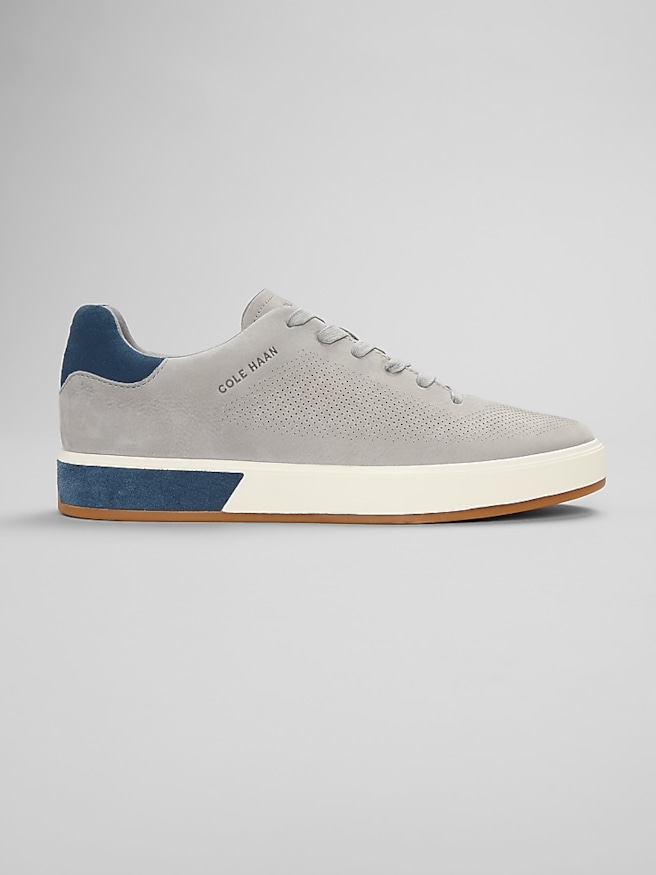
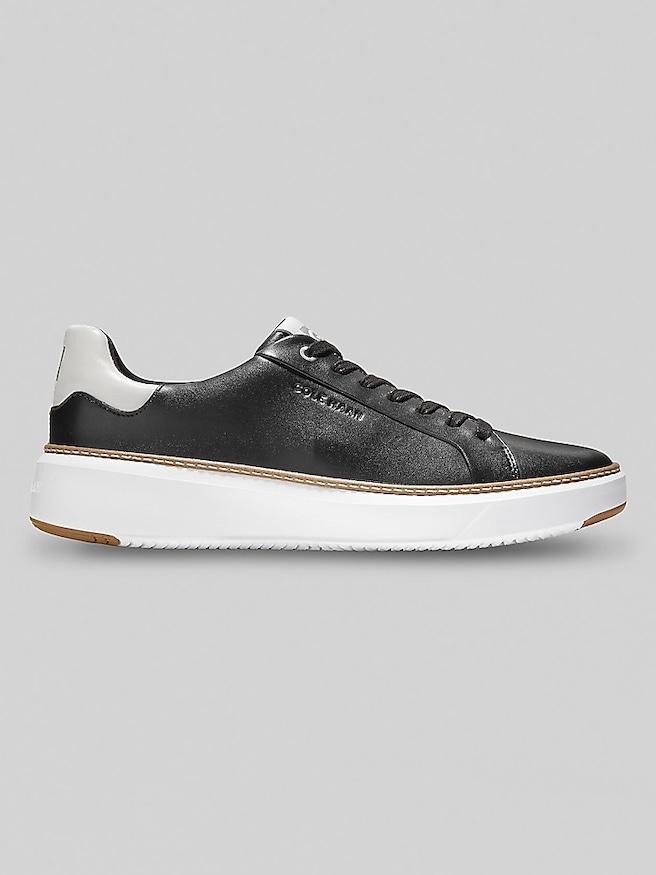
Men’s dress and casual shoes bring a wardrobe together through details that are easy to notice in daily wear: the shape of the toe beneath a trouser hem, the texture of leather beside wool, and the balance between a polished upper and a substantial sole. Footwear associated with Cole Haan Men fits naturally into conversations about traditional styling and everyday comfort, especially for wardrobes that move between tailored clothing and relaxed separates. Oxfords have a tidy, structured appearance that complements suits and dress trousers, while open-lacing designs offer a slightly more relaxed look with chinos or a sport coat. Wingtip detailing adds visual texture without relying on bright color; a plain toe keeps the emphasis on shape and finish. Loafers bring a simpler profile to the same wardrobe, pairing comfortably with an unstructured jacket or a fine-gauge sweater. Streamlined sneakers can work with casual office clothing, provided the setting welcomes them, and ankle boots offer more coverage during the cooler months. Black leather tends to look sharper and more formal, while brown shades introduce warmth alongside navy, gray, olive, and denim. Dark suede contributes a softer texture that feels especially natural next to corduroy or brushed cotton. Intended use matters as much as appearance. Someone walking several blocks to the office may prioritize flexibility and outsole traction, while someone attending a seated dinner may focus on a sleek profile that complements a suit. For a wedding guest, conference attendee, or graduate beginning a professional wardrobe, versatile footwear can support several occasions without making every outfit look identical. Shoes can also make a thoughtful gift for a partner, parent, or adult son when size, width, and preferred style are already known. The most useful choice reflects the recipient’s actual routine, whether that means client meetings, neighborhood dinners, or frequent travel.
Materials and construction influence how shoes look, feel, and respond to repeated wear. Smooth leather can develop creasing and a softer feel with use, although its behavior depends on the leather, finish, and construction. A gently creased forefoot is not necessarily a sign of poor quality; shoes naturally flex where the foot bends. Suede and nubuck have a textured surface that benefits from care suited to their nap, while knit and other textile uppers can offer a lighter, less structured feel. Breathability varies with the whole shoe, including its lining, rather than the outer material alone. Likewise, a thick-looking sole does not automatically provide better cushioning, and a soft footbed does not guarantee enough support for a long day. Comfort comes from the combination of shape, cushioning, stability, and fit. The heel should feel secure without pinching, the toes should have room to move, and the widest part of the foot should sit comfortably within the widest part of the shoe. A pointed or elongated silhouette may extend beyond the toes by design, so empty space at the tip is not a reliable fit test by itself. Pressure across the ball of the foot, numbness, or toes pressed against the upper are reasons to reconsider the size or shape rather than expect wear to solve the problem. Trying shoes with the socks intended for them gives a more useful impression than switching between thin dress socks and thick casual pairs. Feet may swell through the day, making an afternoon fitting helpful, particularly for footwear intended for commuting or extended standing. Both shoes deserve a short walk on a clean indoor surface, since foot size can vary from side to side. For someone who uses orthotics, interior depth and a removable footbed may matter more than extra cushioning alone. Lace-up closures allow some adjustment over the instep, while slip-on designs depend more heavily on getting the heel and upper fit right.
Durability is best understood as the relationship between construction, conditions, and care, not simply the weight or stiffness of a shoe. Rubber outsoles can be practical for pavement and everyday walking, but tread pattern and rubber composition affect grip; no ordinary dress shoe should be assumed to handle ice safely. Leather soles offer a traditional appearance, though wet surfaces call for extra caution and thoughtful care afterward. During the cooler months, damp sidewalks and tracked-in road salt can leave marks on uppers and edges. Wiping away surface moisture promptly with a soft cloth helps keep grime from lingering, and any deeper cleaning should follow the maker’s material-specific recommendations. Smooth leather generally benefits from occasional conditioning with a compatible product, followed by polish when appropriate for the finish. Suede needs a separate approach: a suitable brush can lift the nap and remove dry surface dirt, while an approved protective treatment may help reduce staining without making the shoe waterproof. Testing any treatment in an inconspicuous area is sensible, especially on lighter colors or unusual finishes. Wet footwear should dry naturally away from radiators, fireplaces, and direct heat, which can damage materials and adhesives. Unfinished cedar shoe trees can help absorb residual moisture and maintain the shape of leather shoes between wears. Alternating pairs also gives interiors time to dry, a useful habit for anyone spending long hours in the same footwear. Small details deserve attention before they become bigger problems: frayed laces, worn heel edges, loose stitching, or an outsole that has lost its tread can affect both appearance and function. A shoe-repair professional can assess whether repairs are practical for the construction. With sensible upkeep, everyday footwear stays easier to dress around, from dark lace-ups beneath neatly hemmed trousers to softly textured loafers with a sweater and chinos. That consistency makes shoes a dependable part of getting dressed, rather than a finishing detail that needs constant reconsideration.