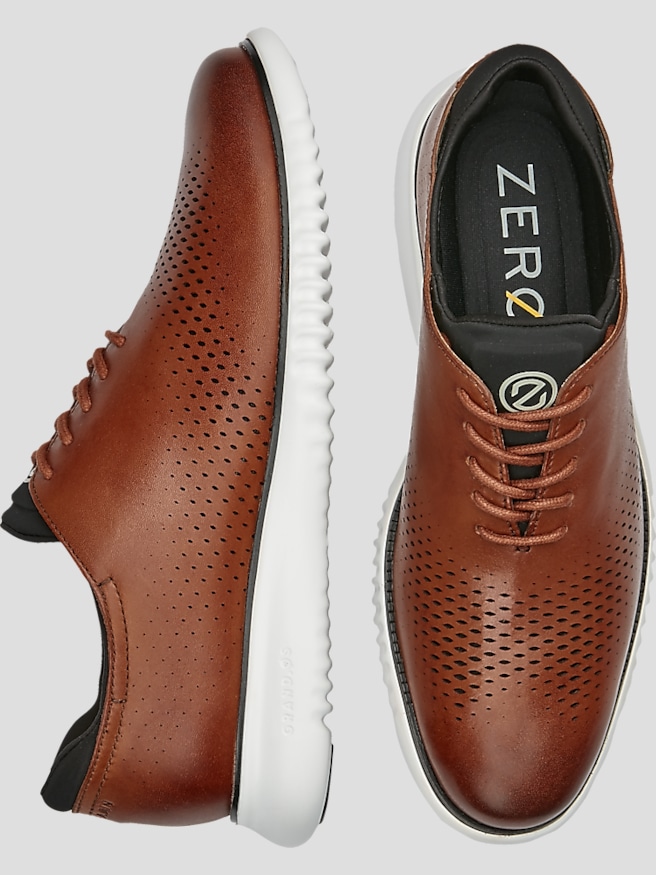
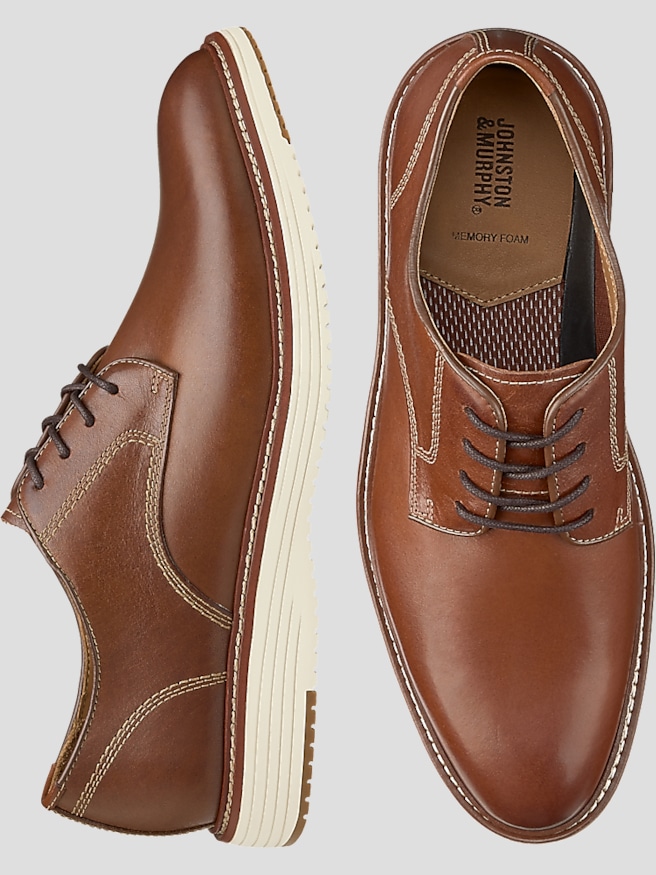
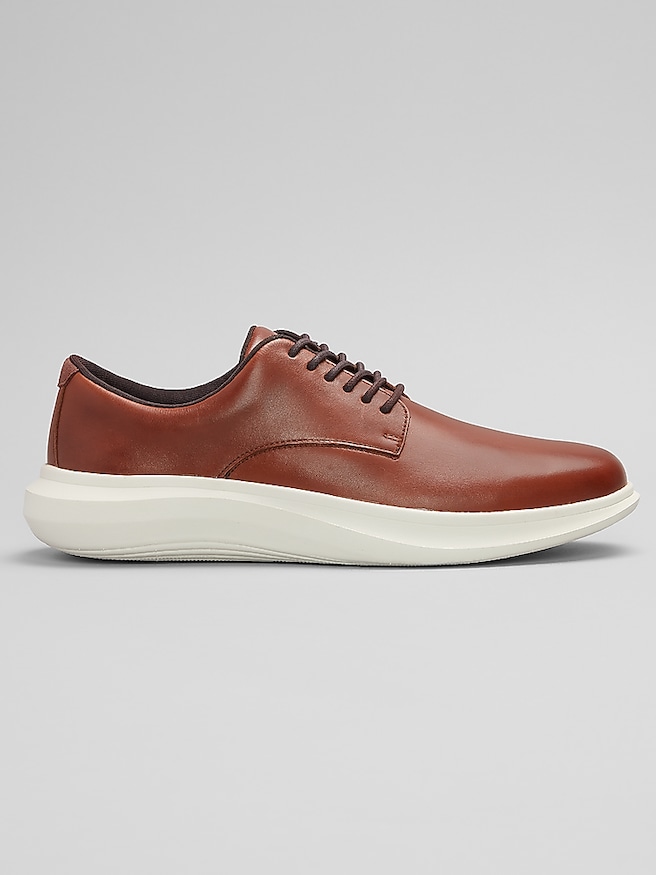
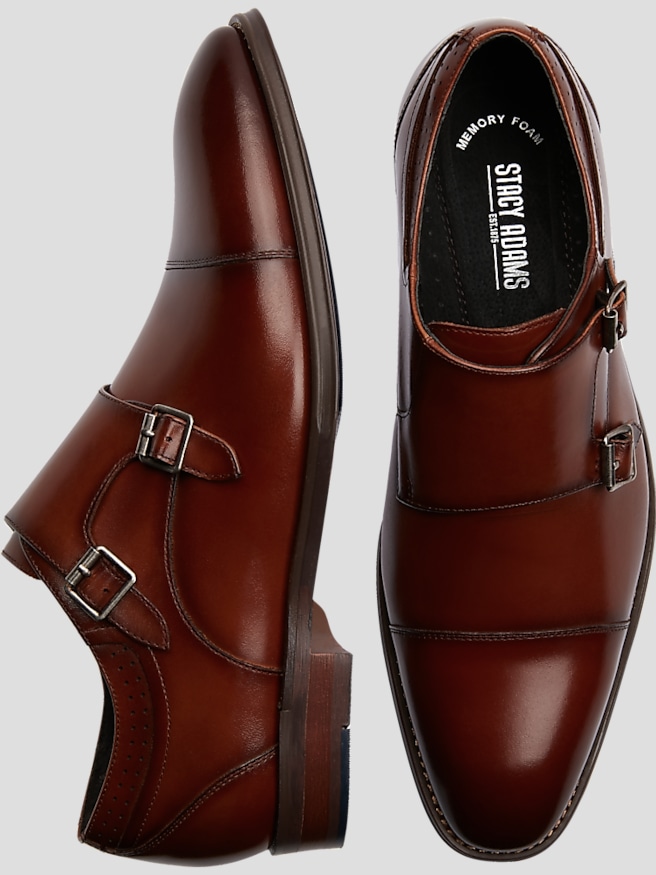
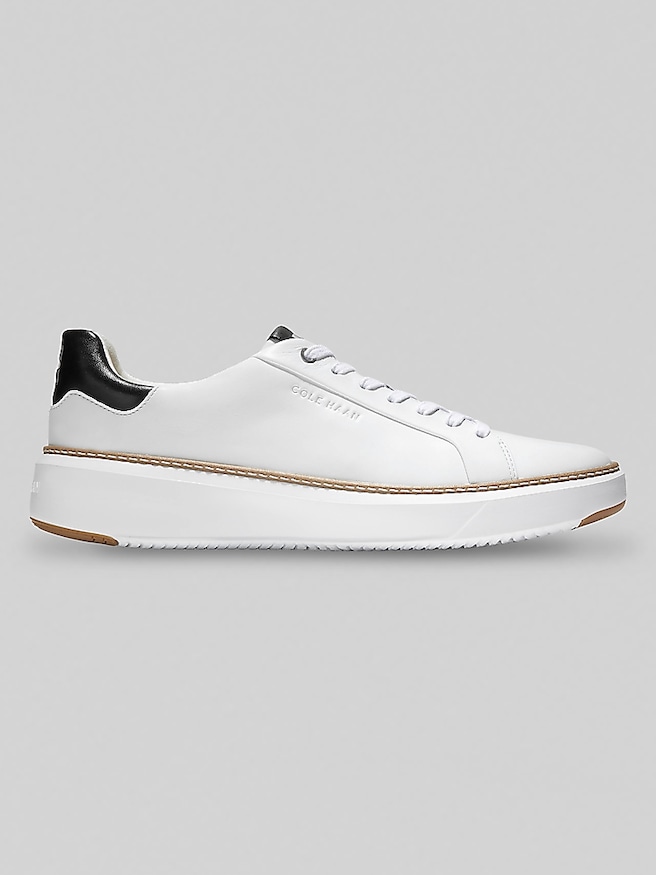
Hybrid dress shoes combine the familiar shape of a dress shoe with a more flexible, athletic-inspired sole. A leather upper, neat lacing, and details such as a cap toe or wingtip keep the look polished, while cushioning and a lighter-feeling foundation bring a more relaxed character underfoot. That balance suits days when getting dressed involves more than sitting behind a desk: walking from the station, standing through a presentation, heading out for lunch, and meeting friends after work. The category bridges traditional dress footwear and sneakers without looking entirely like either. Construction varies, so the defining feature is the combination of tailored styling and a sole influenced by casual or athletic footwear, rather than any single material or cushioning system. Smooth leather gives these shoes a clean appearance that pairs naturally with wool trousers and an unstructured jacket. Textured leather can add visual depth, while suede, where used, creates a softer finish alongside chinos or dark denim. Brogue perforations and stitched panels lend character without requiring a bold color, and a plain toe keeps the silhouette restrained. The outsole makes an equally noticeable contribution: a contrasting edge emphasizes the sporty side, while a darker, less prominent sole maintains a more traditional profile. Neither approach changes the basic purpose of the shoe, but each affects how it looks beneath a trouser hem. For an office with a business-casual dress code, hybrid dress shoes can feel at home with a tucked-in shirt and tailored pants. For a daytime celebration or dinner, they offer a polished alternative to everyday sneakers. They are not a direct substitute for formal evening footwear; black-tie occasions generally call for a more traditional shoe with a sleek profile. Their strongest setting is the space between casual and formal, where an outfit needs to look considered without feeling stiff. A streamlined pair can anchor several outfits across a work trip, especially when the schedule moves from meetings to informal meals.
Materials and fit determine how successfully that versatility carries into everyday wear. Leather has structure and can develop creases and character with use, but its feel depends on the finish, thickness, lining, and overall construction. Suede has a distinctive nap that benefits from protection against moisture and careful brushing. Fabric panels or linings, when part of the design, may change the weight and feel of the shoe, though breathability should not be assumed from appearance alone. Beneath the upper, cushioning can soften the sensation of standing and walking, while flexibility helps the shoe move through a step. Softness, support, and stability are separate qualities, however, and a thick-looking sole does not guarantee that all three will suit every foot. A comfortable fit leaves room for the toes to move without allowing the foot to slide forward. The heel should feel secure, and the upper should hold the midfoot without pressing sharply across it. Trying shoes with the socks intended for regular wear gives a more useful impression than relying on the size marked inside; shape and width can vary between designs even when the stated size matches. Walking on a clean indoor surface helps reveal heel movement, pressure near the little toe, or tightness across the instep. Leather may soften with wear, but significant pinching is not a sound starting point. Laces provide useful adjustment as socks change in thickness during the cooler months, and the related Cole Haan Lace Up Shoes collection brings the lace-up silhouette into focus. For anyone who uses orthotics, interior depth and a removable footbed, if specified, deserve attention alongside length and width. The most useful fit feels secure during movement, not merely comfortable while seated. That distinction matters for commuters, frequent travelers, teachers, and anyone whose polished work wardrobe also needs to accommodate substantial time on their feet.
Everyday durability comes from both construction and the way shoes are worn and maintained. A substantial upper, tidy stitching, and a sole suited to the intended setting are useful considerations, but no single feature predicts how long a shoe will last. Frequent outdoor walking places demands on the outsole, while repeated flexing creates natural creases across the upper. Lightweight foam components and rubber contact areas can perform distinct roles, so the sole material and tread deserve as much attention as the leather above them. An athletic-inspired appearance does not make a dress shoe appropriate for running, nor does a textured bottom automatically establish slip resistance. During the cooler months, wet sidewalks, road salt, and puddles call for particular care; unless weather protection is specified, leather dress footwear should not be treated as waterproof. Wiping away surface dirt after wear keeps residue from building up around stitching and along the sole edge. Smooth leather generally benefits from a suitable cleaner and occasional conditioning, followed by compatible polish when the finish permits. Suede needs its own brush and cleaning products rather than the creams used on smooth leather. Testing a treatment on an inconspicuous area helps protect the color and finish. If shoes become damp, allowing them to dry at room temperature away from radiators preserves materials better than direct heat. Shoe trees can help maintain shape between wears, and alternating footwear gives each pair time to air out. These habits support a neat appearance as well as longevity, especially when shoes handle both weekday commutes and weekend plans. Styling can stay equally straightforward: tapered chinos reveal a sculpted sole, straight-leg trousers balance a fuller silhouette, and dark jeans with a knit polo create an easy dinner outfit. For gifting, hybrid dress shoes can suit someone starting an office role, traveling for business, or refining a smart-casual wardrobe. Knowing the recipient’s size, width, preferred colors, and usual dress code makes that choice more personal. The appeal is practical and visible: recognizable dress-shoe detail paired with an easiergoing foundation for the places an ordinary day can lead.