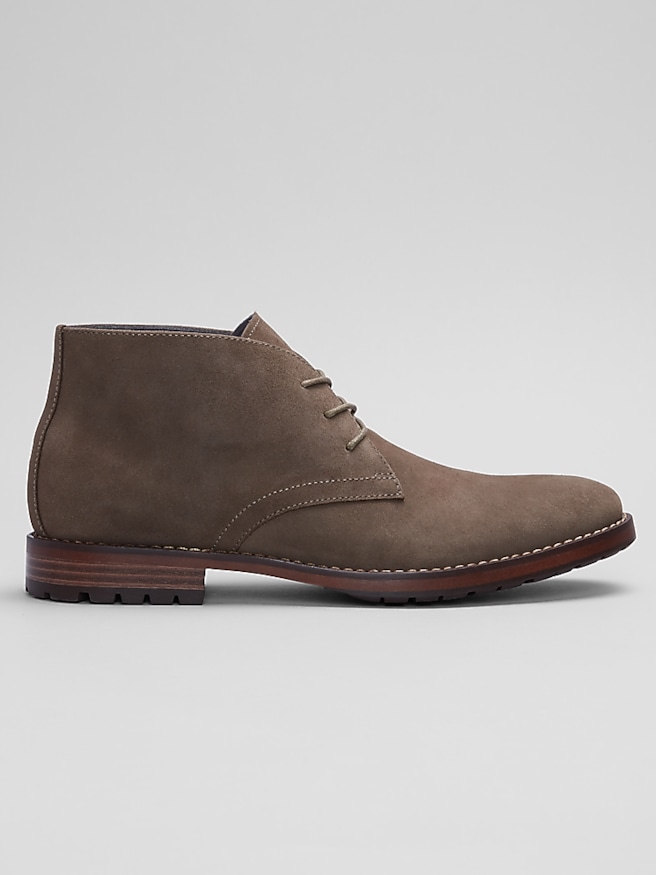
Brown high tops are casual shoes with uppers that rise around the ankle, combining the familiar feel of sneakers with a more substantial silhouette than low-top styles. Their earthy color makes them an easy alternative to black or white footwear, especially alongside denim, chinos, and relaxed trousers. The shade of brown has a noticeable effect on the overall look: tan and caramel tones create contrast with dark pants, while chocolate and espresso shades give an outfit a quieter, more unified finish. Material adds another layer of character. Smooth leather offers a clean surface that works well with a casual button-down shirt or an unstructured jacket, and natural creasing can give the upper a more lived-in appearance over time. Suede has a soft, brushed texture that pairs naturally with denim and cotton twill. Canvas brings a less structured look, while mixed-material designs introduce contrast through panels, stitching, and trim. Construction matters as much as the material name, since lining, padding, and sole thickness all influence how substantial a shoe feels. A brown high-top sneaker with a tonal sole tends to look understated; a light-colored sole creates a stronger visual break at the hem. Details such as metal eyelets, flat laces, and padded collars also change the character without changing the basic shape. For everyday outfits, straight-leg jeans can fall neatly over the upper, while a slightly shorter chino hem leaves more of the collar visible. Slim trousers work best when the leg opening has enough room to sit comfortably around the shoe rather than catching on it. The appeal is an easy balance of texture, color, and proportion: brown adds depth to a simple combination of dark denim and a plain T-shirt, yet remains restrained enough for a casual dinner with a knit polo and tailored pants. High tops still read as casual footwear, making them better suited to relaxed settings than occasions that call for traditional dress shoes.
Fit is especially important with brown high-top shoes because the upper touches more of the foot and ankle than a low-profile sneaker. A comfortable fit leaves room for the toes to move, holds the heel without excessive slipping, and avoids pressure across the widest part of the foot. The collar should feel secure rather than restrictive, particularly when sitting, climbing stairs, or bending the ankle. Extra height alone does not establish how supportive a shoe will be; the footbed, sole construction, heel structure, and individual fit all contribute to the experience. Laces make it possible to adjust the upper across the instep and around the ankle, but they cannot compensate for a shoe that is too narrow or too short. Trying footwear with the socks intended for everyday use gives a more useful sense of interior space, especially when a padded tongue or thick lining takes up room. For someone spending a day between a desk, a train platform, and a neighborhood restaurant, cushioning and flexibility deserve as much attention as appearance. A sole that bends comfortably where the foot naturally flexes can make routine movement feel easier, while outsole texture helps determine grip on everyday surfaces. The presence of rubber alone does not guarantee slip resistance, and casual sneakers should not be assumed to replace footwear designed for a particular job or sport. Interior seams and the edge of the tongue are worth noticing, too, since small pressure points may become distracting over several hours. Leather may soften with wear, but significant pinching is not a reliable sign of a fit that will improve. Brown high tops suit men who like a grounded, casual look for errands, travel, informal gatherings, or workplaces where sneakers fit the dress code. Their taller shape also gives simple outfits a distinct focal point without requiring bright colors or prominent detailing.
Durability depends on the quality of the upper, the way the sole is attached, and how well the construction matches the way the shoes will be worn. Frequent walking puts repeated stress on flex points, outsole edges, and the heel lining, while pulling shoes on without loosening the laces can strain the collar. Neat stitching, evenly joined edges, and a securely attached sole are useful details to examine, although no single feature tells the whole story. Care should follow the material and the maker’s directions. Smooth leather generally benefits from gentle surface cleaning and an appropriate conditioner when recommended for its finish; too much product can darken the surface or leave residue. Suede needs a different approach, often involving a suitable brush to lift dirt and refresh the nap rather than a leather cream. Canvas and textile panels also need material-specific treatment, particularly when they sit next to leather trim. Testing a cleaner on a discreet area helps reveal unwanted changes in color or texture before treating the whole upper. After cleaning, air-drying away from direct heat helps protect materials and adhesives. Removing loose dirt before it becomes embedded, letting the interior dry between wears, and keeping laces clean all help maintain a tidy appearance. Brown is forgiving in an everyday wardrobe, but dust, scuffs, and worn sole edges are still visible against its rich color. For someone comparing sneaker shapes with more substantial footwear, Brown Casual Boots offer a related look, though the differences in sole structure, weight, and flexibility depend on the design. High tops make a thoughtful gift for a recipient who already enjoys casual sneakers, especially when the color works with pants and jackets they wear often. Knowing their usual size, preferred width, and favored materials is more helpful than choosing by appearance alone. The strongest everyday match brings those practical details together: a comfortable fit, a brown tone that complements familiar clothing, and construction suited to the wearer’s routine.