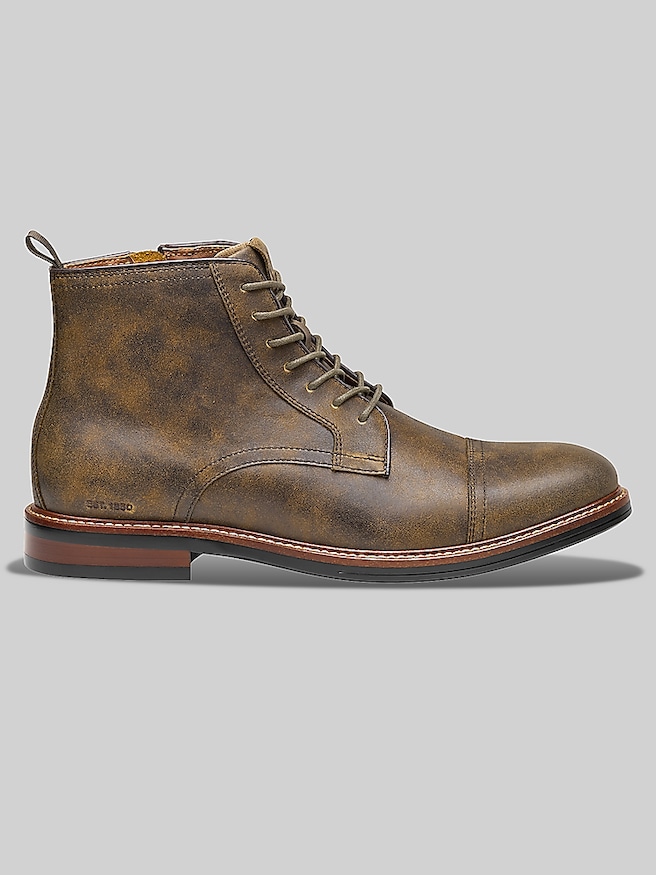
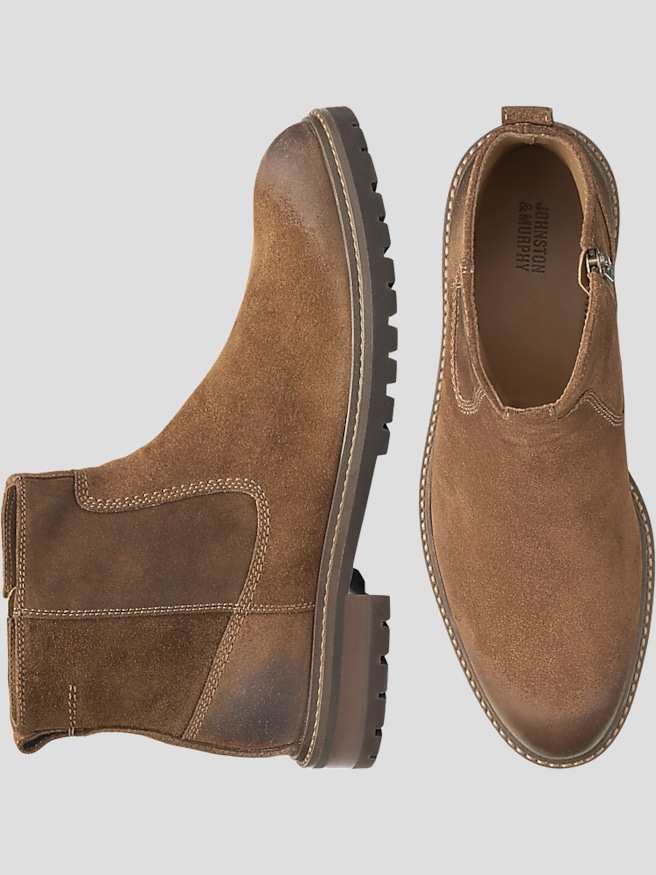
Brown casual boots bring a grounded, easygoing finish to everyday clothing, with enough character to make a simple outfit feel considered. Their appeal starts with the color: brown can be warm and golden, deep and earthy, or somewhere between, giving denim, chinos, and textured trousers a natural companion. A lighter shade creates a noticeable contrast against dark jeans, while a deeper brown sits quietly beneath navy or charcoal pants. Neither approach requires an exact match with every other accessory. A brown belt in a similar depth of color usually creates a cohesive look without making the outfit seem overly coordinated. Shape matters just as much as shade. A rounded toe and substantial sole have a relaxed presence, while a slimmer profile and understated stitching can work well with chinos and an unstructured jacket. Lace-up designs bring visible detail and allow adjustment across the top of the foot; pull-on shapes keep the outline clean and make getting dressed straightforward. For a relaxed office, dinner with friends, or a day that moves from errands to a casual gathering, brown boots can provide more structure than sneakers without the formality of polished dress shoes. The hem of the pants helps set the balance: a clean break shows the boot’s shape, while a modest cuff can reveal the shaft without leaving excess fabric pooled around the ankle. Straight and gently tapered cuts often sit comfortably over a boot, though the right combination depends on both the opening of the pants and the width of the shaft. A plain T-shirt and overshirt, a knit polo, or a button-down with the sleeves casually rolled can all work within that same relaxed vocabulary. For a related take on this versatile color family, explore the Brown Fall Boots collection.
Materials give brown casual boots much of their personality, and the differences become clearer with regular wear. Smooth leather has a defined surface that can look understated or polished depending on its finish. Some leathers develop creases, tonal variation, and a softer feel over time, creating a worn-in appearance that suits casual clothing. That character is part of the appeal, although leather quality, construction, and care all influence how a pair holds up. Suede has a softer, more matte appearance, with a nap that changes direction when brushed. It pairs naturally with denim and cotton twill, especially when the rest of the outfit has visible texture rather than a glossy finish. Oiled or waxed leather may have a more rugged appearance, but its maintenance needs can differ from those of smooth, finished leather. Inside the boot, lining materials, footbed shape, and padding affect how it feels against the foot. Cushioning can soften the initial step, while a stable base and secure heel help keep the foot from moving excessively. Outsoles deserve attention beyond their appearance. A substantial tread adds visual weight, while a lower-profile sole keeps the silhouette restrained; neither tread depth nor thickness alone establishes how well a sole will grip every surface. Flexibility, weight, and the way the sole bends beneath the ball of the foot also shape the wearing experience. For someone who walks between appointments or spends part of the day standing, a boot that feels balanced can matter more than one that simply looks sturdy. Construction influences longevity as well. Secure stitching, neatly finished edges, and a well-attached sole are useful details to assess. Some construction methods permit sole replacement, while others do not, so repairability should be confirmed rather than assumed. The most suitable brown casual boots bring their materials, shape, and construction together around the way they will actually be worn, whether that means a short commute, frequent social plans, or a dependable place in an everyday rotation.
Fit is where a promising pair becomes a practical choice. Brown casual boots should hold the heel and midfoot securely without squeezing the toes or pressing sharply across the instep. A little movement can occur in some designs, but persistent slipping, toe contact at the front, or pressure that changes the way someone walks deserves attention. Trying boots with the socks intended for regular wear gives a more useful impression than relying on the size marked inside. Feet can also differ slightly from one another, making it worth checking the feel of both boots while standing and walking. Leather may soften with use, but that does not mean a boot that is too short will become the right size. Laces can fine-tune the hold, while pull-on designs depend more heavily on the relationship between the foot, instep, and boot opening. Once the fit is right, consistent care helps preserve the materials and shape. Loose dust and grit are best removed before they have a chance to collect along seams or rub against the finish. Smooth leather generally benefits from a soft brush or cloth and a material-appropriate cleaner, with conditioner used according to the maker’s directions rather than applied heavily by habit. Any treatment should be tested in a discreet area first, since brown finishes can darken or change appearance. Suede calls for tools and treatments made for its nap, not the creams intended for smooth leather. Letting boots air out between wears, keeping them away from direct heat, and using properly fitted shoe trees can help manage moisture from wear and support their shape. These small habits are especially worthwhile for boots expected to become everyday favorites. As a gift for a partner, dad, brother, or close friend, brown casual boots can be a thoughtful choice when size, preferred fit, and everyday style are already familiar. The strongest match is not necessarily the boldest design, but the pair that feels at home with the recipient’s jeans, usual routines, and preference for either a clean finish or a little lived-in character.