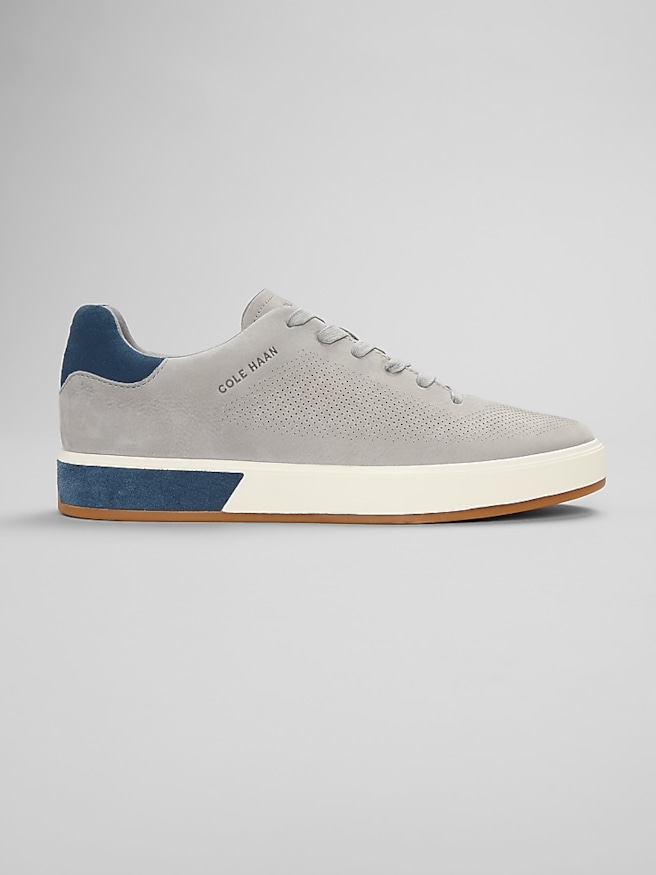
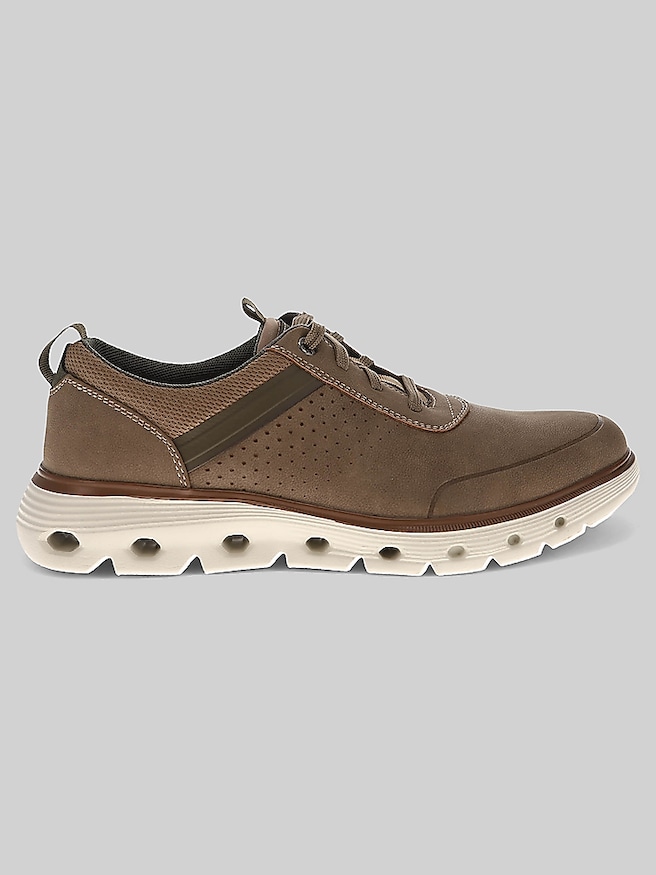
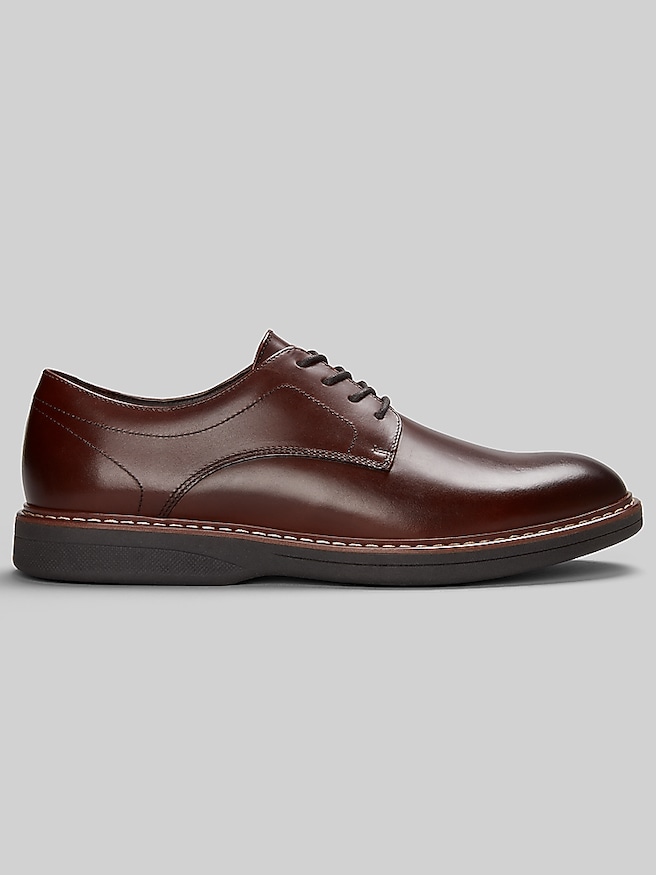
Brown men's sneakers bring the comfort and relaxed profile of everyday footwear to a color palette that works naturally with denim, chinos, and casual trousers. Shades from light tan and cognac to deep chocolate offer distinct looks: lighter browns create a noticeable contrast against navy or charcoal, while darker browns feel more understated with olive, dark denim, and earth tones. Smooth leather gives a sneaker a cleaner, more structured appearance; suede introduces a soft, brushed texture; and textile panels can lend a more athletic character. The silhouette matters just as much as the material. A low-top with restrained stitching and a slim sole tends to look more polished, while a broader shape, layered upper, or substantial outsole makes a stronger casual statement. Neither approach has to be complicated to wear. Brown sneakers can sit comfortably beneath straight-leg jeans and an untucked Oxford shirt, or finish chinos and a knit polo for a relaxed office setting. For workplaces that permit sneakers, a tidy upper and a sole that does not dominate the shoe usually make the transition easier. A cream or white sole creates contrast and keeps the look distinctly casual; a brown or dark sole offers a quieter finish. For outfits built around tailored trousers or an unstructured jacket, Brown Dress Sneakers suit the more refined end of this style. These are shoes for everyday dressing, whether the day includes a commute, lunch with friends, or an informal dinner, rather than a substitute for footwear designed for running or court sports. Their appeal comes from that middle ground: less formal than traditional dress shoes, but often more composed than a brightly colored athletic sneaker. Keeping the shape, texture, and shade in balance with the rest of an outfit lets brown feel intentional without making the shoes the center of attention.
Materials and construction influence how brown sneakers feel on the foot and how their appearance develops with wear. Full-grain leather retains the hide's natural surface and can develop creases and patina over time, although the finish and care routine affect how noticeable those changes become. Suede has a more textured appearance, with a nap that can look lighter or darker as it catches the light. Synthetic uppers may offer a consistent finish and straightforward surface cleaning, while textile sections can add flexibility or ventilation, depending on the weave and lining. No single material guarantees comfort or durability; stitching, reinforcement at flex points, lining quality, and outsole construction all contribute. Rubber outsoles are common in casual sneakers, but traction depends on the tread pattern, rubber compound, and walking surface rather than color or thickness alone. A thick-looking sole is not necessarily more cushioned, and a soft initial feel does not always mean better support over a full day. Fit deserves particular attention when sneakers will be worn for commuting or hours on foot. The heel should feel secure without rubbing, the toes should have room to move, and the forefoot should not feel squeezed when standing. The upper should flex near the ball of the foot rather than forcing a bend across the toes. Trying shoes with the socks intended for everyday wear gives a more useful sense of fit than relying on a size label alone. Foot shape, width, and instep height can change how two shoes in the same marked size feel. Laces allow useful adjustment, but they cannot correct a shoe that is fundamentally too narrow or too short. Leather may soften with use, yet painful pressure is not a dependable break-in strategy. For anyone who uses an orthotic, enough interior depth and a removable footbed, when part of the shoe's design, can help accommodate it without crowding the foot or lifting the heel too high.
Brown sneakers are especially useful when the rest of the outfit includes familiar, easy-to-combine colors. Dark blue jeans with a clean hem leave room for the shoe's texture to show, while stone or olive chinos make a natural backdrop for medium brown leather. Charcoal trousers can work with deep brown sneakers when the clothing is relaxed enough to support casual footwear. A brown belt does not need to match the shoes exactly; a similar depth of color generally looks more natural than trying to duplicate every shade and finish. Trouser length also affects the result. A hem that rests neatly near the top of the shoe keeps the outline visible, while excess fabric pooling over the laces can make even a streamlined sneaker look bulky. For travel, a familiar, well-fitting pair can simplify outfits across daytime plans and casual dinners, though long walking days still call for appropriate support and traction. As a gift for a partner, father, brother, or friend, brown sneakers make the most sense when the recipient's usual size, preferred width, and everyday style are known. Someone who wears chinos frequently may appreciate a restrained leather profile, while a denim-heavy wardrobe often works well with suede or more textured construction. Regular care helps preserve either look. Loose grit should be removed before cleaning so it does not get rubbed into the surface. Smooth leather generally benefits from a soft cloth and a cleaner suited to its finish; conditioner should be used only when appropriate for that leather. Suede needs a suitable brush and products intended for its nap rather than standard leather polish. Cleaning the outsole edges separately helps prevent dirt from spreading onto the upper. Shoes should dry naturally away from direct heat, and any protective treatment should be tested discreetly and used according to its directions. Allowing sneakers to air out between wears and addressing marks promptly can help keep their shape, finish, and everyday appeal intact.