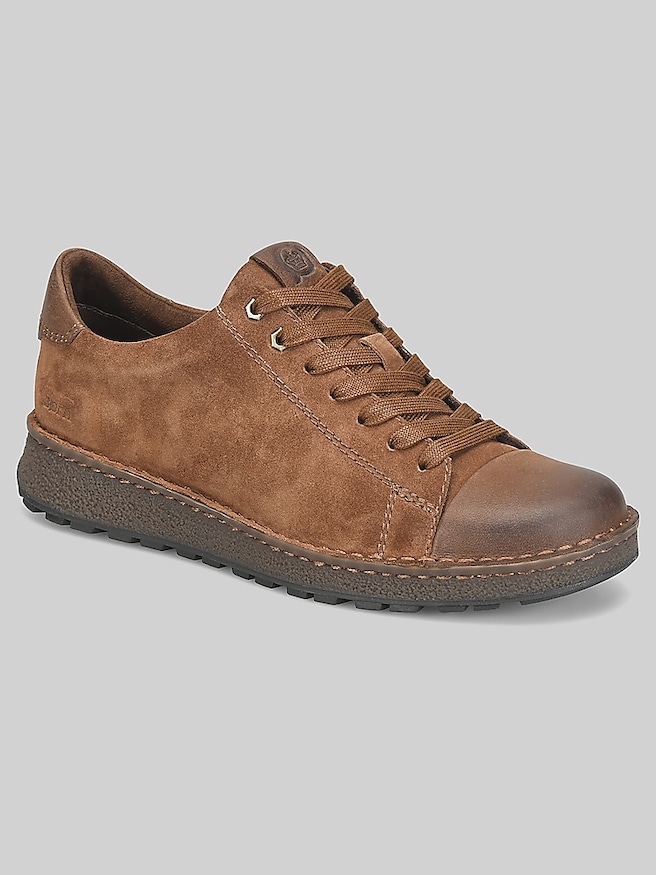
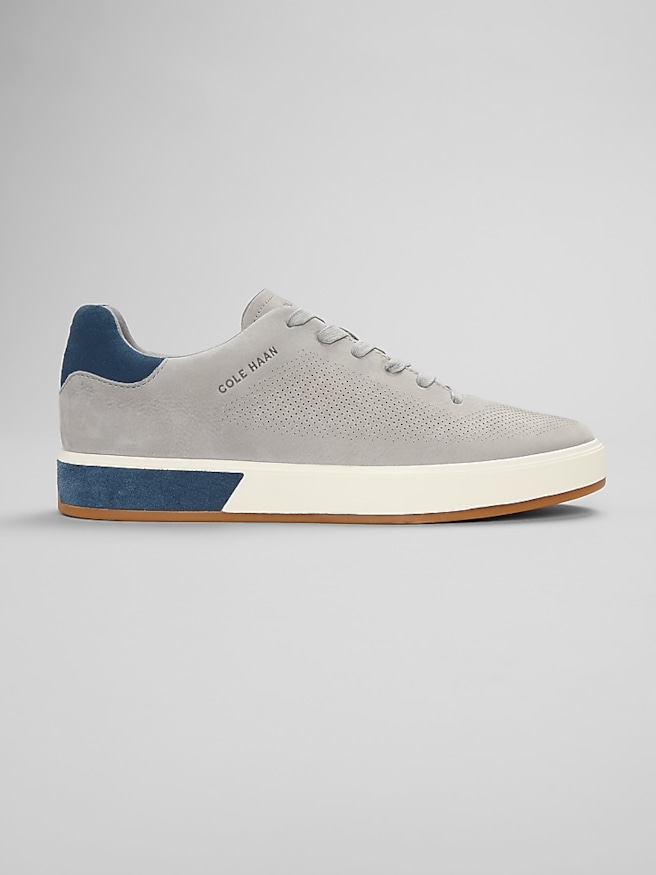
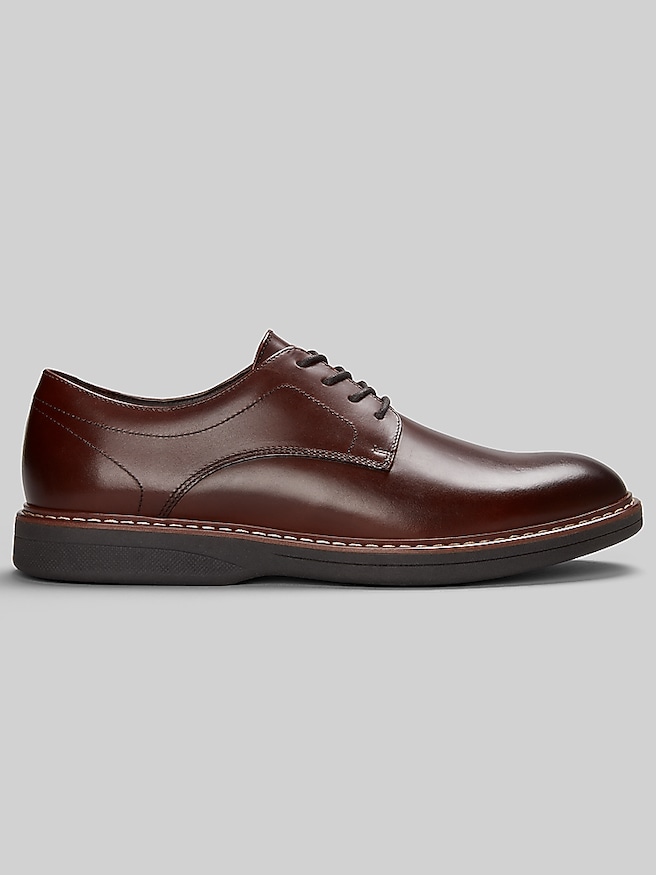
Men’s brown sneakers bring a grounded, easygoing finish to everyday clothing, with enough variation in color and texture to feel distinct from a standard black or white pair. Brown can range from light tan and warm caramel to chestnut and deep chocolate, and those differences affect the overall impression of an outfit. A lighter shade creates a noticeable contrast against dark denim, while a deeper brown can sit quietly beneath navy chinos or charcoal trousers. The color also works naturally with olive, cream, and other earth tones, making it useful for wardrobes built around understated combinations rather than sharp contrasts. Material adds another layer of character. Smooth leather often has a clean, polished appearance that fits comfortably alongside a button-down shirt or an unstructured jacket. Suede has a softer, more textured surface that complements denim, knitwear, and relaxed cotton pants. Textile panels can give a sneaker a more casual, athletic look, while mixed-material construction introduces subtle changes in texture without relying on bright colors. These distinctions matter when choosing footwear for a commute, a casual office, a dinner with friends, or an afternoon spent moving between appointments. A streamlined shape generally looks more refined; a broader profile and pronounced sole tend to feel more casual. Neither approach needs to dominate the outfit. The appeal of brown sneakers is often their ability to connect otherwise simple pieces: dark jeans, a light shirt, and a brown leather belt can look considered without feeling dressed up. Matching every brown accessory exactly is not necessary, although similar undertones can help the combination feel cohesive. Warm reddish leather, for example, creates a different effect than a muted, grayish brown. Even the finish changes the mood, with matte surfaces looking quieter and a slight sheen lending more definition. For everyday wear, these small distinctions make brown sneakers adaptable without making them anonymous, offering an alternative to athletic-looking footwear when the occasion calls for something relaxed but put together.
Fit and construction are just as important as appearance, especially for sneakers worn through a full day of standing, walking, and sitting. A comfortable fit leaves room for the toes to move without letting the foot slide forward, and the heel should feel secure rather than lifting noticeably with each step. Width matters throughout the shoe, not only at the toe: pressure across the ball of the foot or along the outer edge can become more noticeable after several hours. Socks also affect the fit, so the thickness normally worn with everyday clothing is worth considering. Laces allow some adjustment through the instep, but they cannot fully correct a shoe that is too narrow or too short. Leather uppers may soften with wear, yet a painful fit is not a useful starting point. Underfoot, cushioning can soften contact with hard surfaces, while a stable sole helps the shoe feel steady. A very soft footbed is not automatically the most comfortable choice for everyone; some feet feel better with a firmer, more supportive platform. Sole flexibility, shoe weight, interior seams, and the shape of the heel lining all contribute to how a sneaker feels in motion. Brown sneakers intended for everyday outfits should also be considered separately from footwear designed for running, court sports, or specialized training. A casual sneaker can suit ordinary walking without providing the construction required for those activities. For outfits that lean closer to business casual, Men's Brown Dress Sneakers offer a related direction where a cleaner profile can complement chinos, tailored trousers, and a relaxed jacket when the dress code permits. Pant length helps complete that effect. A hem that rests lightly near the top of the shoe keeps the silhouette clear, while excess fabric can obscure its shape. Contrast at the sole changes the impression as well: a pale outsole emphasizes the sneaker’s casual character, whereas a darker edge can create a less interrupted line between pants and footwear. The best combination depends on the setting and the rest of the outfit, not simply on the color of the upper.
The long-term character of brown sneakers depends on both their materials and the attention they receive between wears. Smooth leather often develops creases and subtle variations in tone, which can add character when the surface remains clean and conditioned appropriately. Suede changes in a different way, with its nap reflecting light unevenly and showing marks more readily if dirt settles into the fibers. Material-specific care matters because a treatment suitable for smooth leather may darken suede or affect a textile panel. Manufacturer care instructions provide the most reliable starting point, particularly for sneakers combining several materials. Gentle removal of loose dirt helps prevent buildup around seams and sole edges, and a suede brush can lift the nap without treating it like polished leather. Saturating footwear or exposing it to direct heat can damage adhesives, alter the upper, or leave the shoe stiff. Allowing sneakers to air out between wears helps the interior dry naturally; alternating pairs also gives cushioning and linings a break from continuous use. Durability comes from more than a substantial-looking sole. The attachment between upper and outsole, reinforcement around lace openings, the quality of the heel lining, and wear patterns under the forefoot all affect how a shoe holds up. Scuffing is especially visible on some lighter brown finishes, while darker shades may make surface dust more apparent. Choosing a texture and finish that suit daily habits can make upkeep less demanding. For someone who prefers a tidy, low-key wardrobe, smooth brown leather may feel familiar and straightforward. Someone drawn to softer textures might prefer the visual depth of suede. Brown sneakers can also make a thoughtful gift for a partner, father, brother, or friend who already wears casual footwear regularly, provided size, width, and personal style are well understood. Their usefulness comes from fitting naturally into the recipient’s life: comfortable enough for ordinary routines, appropriate for familiar settings, and easy to pair with clothing already in the closet.