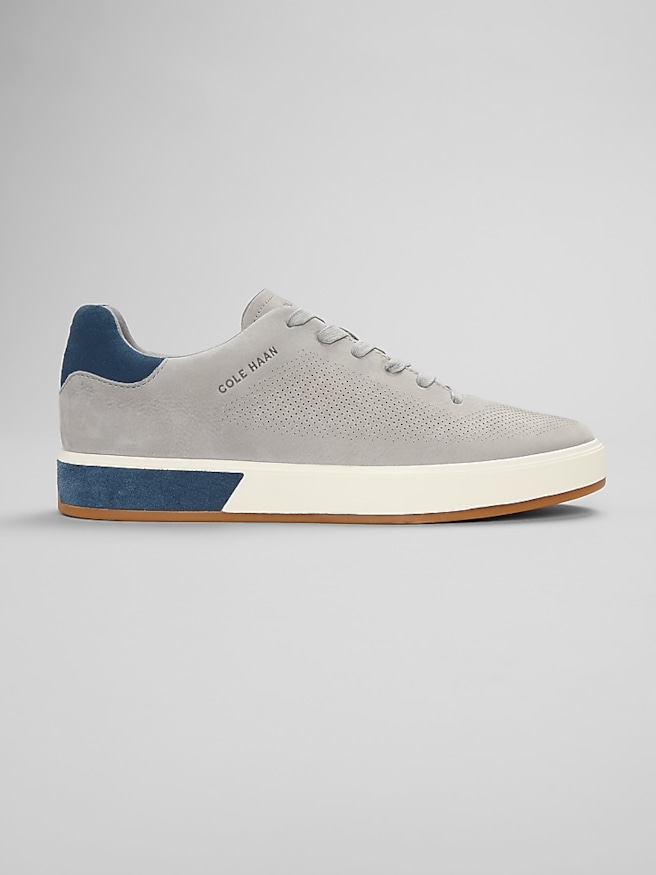
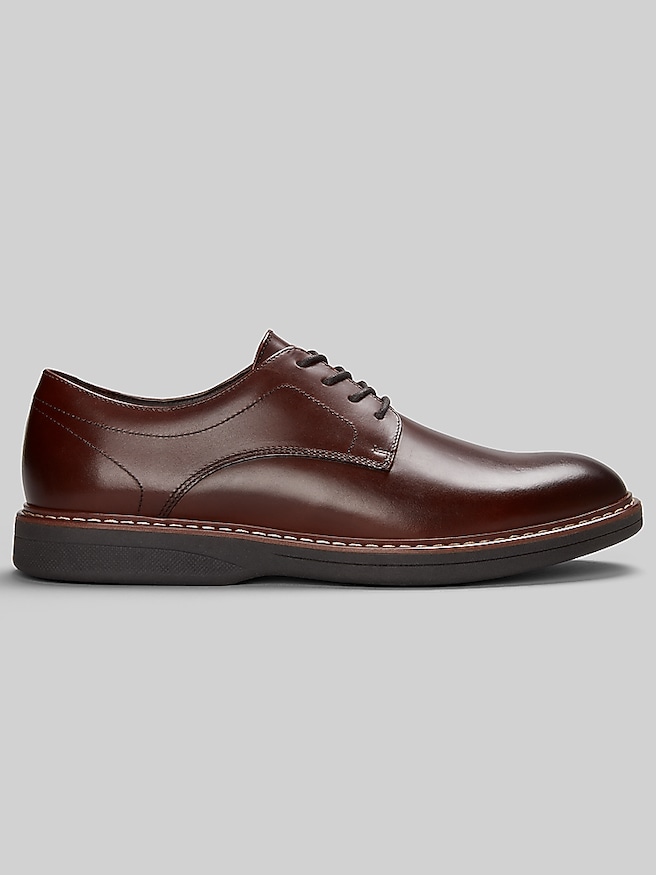
Men’s brown suede sneakers bring a soft, textured finish to everyday dressing, with a warmth that works just as naturally beside dark denim as it does with neatly pressed chinos. The appeal starts with suede’s fine nap: its surface catches the light unevenly, giving brown tones depth without the shine of polished leather. Sandy browns feel relaxed and pair easily with cream, light gray, and faded blue, while richer chocolate and walnut shades sit comfortably alongside navy, olive, and charcoal. That range makes brown suede a useful choice for a wardrobe built around familiar pieces rather than bold contrasts. A clean, low-profile sneaker can finish an outfit of tapered trousers and a knit polo for a casual office, then look equally at home with straight-leg jeans and an overshirt at dinner. Fuller shapes have a more laid-back presence and often balance heavier fabrics, such as corduroy, substantial denim, and brushed cotton. The sole also affects the overall impression: a pale sole creates a clear contrast with the upper, while a brown or other muted sole gives the shoe a quieter, more continuous look. Within the broader category of Men's Suede Sneakers, brown offers plenty of flexibility without feeling as stark as black or as crisp as white. During the cooler months, that earthy color and tactile surface work especially well with wool sweaters, quilted layers, and unstructured jackets. These are shoes for relaxed gatherings, daytime outings, and workplaces where sneakers fit the dress code, rather than occasions that require formal footwear. With tailored clothing, a modest trouser break helps keep the silhouette tidy instead of allowing fabric to bunch over the laces. Socks in navy, charcoal, or a shade close to the trousers create an understated transition. The result is comfortable-looking but considered, particularly when the suede is brushed clean and the rest of the outfit has a similarly easy finish. Even a simple combination of dark jeans and a plain crewneck gains some visual interest from the contrast between smooth fabric and softly textured footwear.
Material and construction influence how brown suede sneakers feel as much as how they look. Traditional suede is leather with a raised, fibrous surface, valued for its suppleness and matte appearance. Synthetic suede can create a similar visual effect, although breathability, flexibility, and cleaning requirements vary by material and construction. Material descriptions matter because two shoes with a similar finish may respond quite differently to moisture and everyday wear. Inside, linings, seams, and footbeds all contribute to comfort. A smooth lining can reduce friction, while cushioning under the heel and forefoot may make standing and ordinary walking more pleasant. Cushioning alone does not determine support, however; the shape of the footbed, the stability of the sole, and the way the upper holds the foot also count. For a commute that includes several blocks on foot or an afternoon spent moving between a restaurant and nearby shops, a secure heel and enough space across the toes matter more than an especially plush first impression. A good fit leaves room for the toes to move without allowing the foot to slide forward at every step. Laces should hold the midfoot comfortably, not need to be pulled tight enough to create pressure across the top of the foot. Suede may soften with wear, but shoes that pinch should not be expected to become the correct size through stretching. Trying footwear with the socks intended for regular use gives a more useful sense of fit, especially when thicker socks become part of cooler-weather outfits. Anyone who uses orthotics also needs sufficient interior depth and, where appropriate, a removable footbed. Underneath, outsole composition and tread influence flexibility, grip, and wear. A substantial-looking sole does not necessarily provide traction on wet pavement, and a casual sneaker is not automatically suited to running or other athletic activity. Brown suede sneakers are most at home in everyday settings where their balance of texture, comfort, and relaxed styling can do the work. Durable construction, even stitching, and a firmly attached sole help that balance hold up through repeated use.
The distinctive texture of brown suede benefits from regular, gentle attention rather than an occasional aggressive cleaning. Dust and flattened fibers can change the appearance of the color, especially across the toe and around the lacing area, where hands and clothing make frequent contact. On dry shoes, a suede brush used with light pressure can lift surface debris and help restore the nap; the footwear maker’s care instructions should determine which tools and treatments are suitable. A suede eraser may help with some dry marks, while stubborn stains may call for professional cleaning rather than repeated scrubbing. Any cleaner or protective treatment should be labeled for the material and tested on a small, inconspicuous area first, since some formulas can darken brown suede or alter its texture. A compatible protective spray may help reduce moisture absorption and staining, but it does not turn suede sneakers into waterproof footwear. Heavy rain, slush, and salted sidewalks are good reasons to choose shoes designed for those conditions instead. If suede becomes damp, gentle blotting followed by air-drying away from heaters and direct sunlight helps avoid the damage that concentrated heat can cause. Plain absorbent paper placed loosely inside can help maintain shape while drying; brushing is best left until the material is fully dry. Between wears, giving shoes time to air out and storing them in a dry, ventilated space supports both freshness and longevity. Cleaning the sole separately, without spreading dirty water onto the upper, also helps preserve the contrast that makes a suede sneaker look sharp. For someone who already favors chinos, denim, and casual tailoring, brown suede sneakers can be a thoughtful gift with a clear place in an existing wardrobe. Shoe size, preferred width, and familiar silhouettes are more useful clues than color alone, especially for a recipient who spends much of the day on foot. With a suitable fit and care matched to the material, this style offers an approachable way to add warmth and texture to everyday clothing without making an outfit feel overly dressed up.