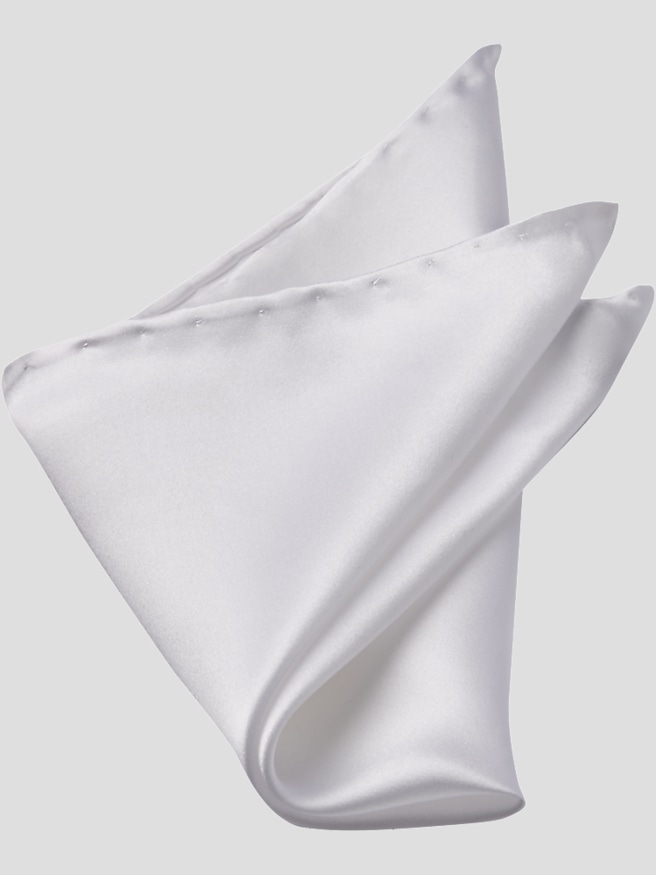
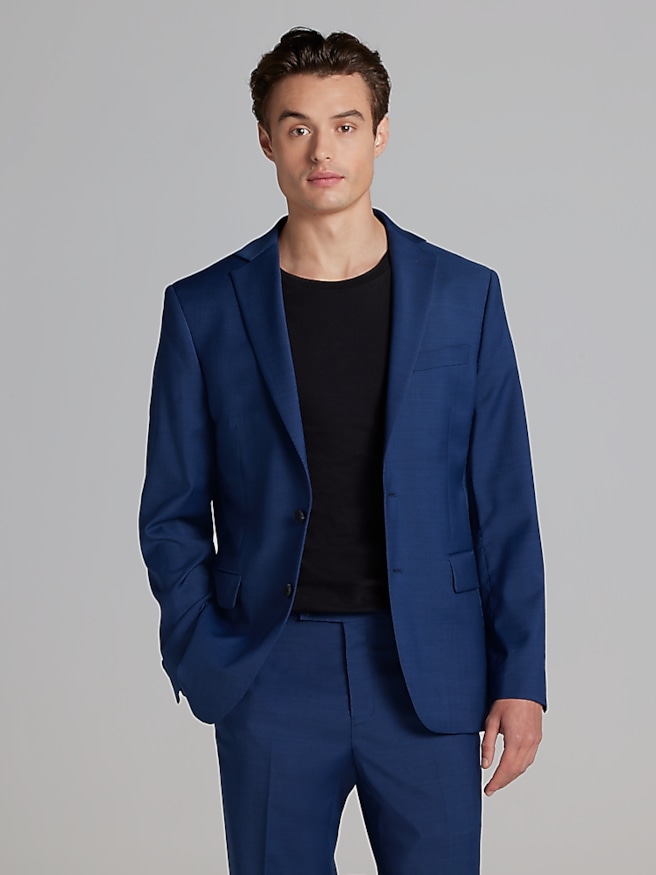
A blue suit combination for men pairs blue tailoring with a complementary shirt, tie, and shoes, with the shade of the suit setting the tone. Navy with a crisp white shirt, burgundy tie, and black leather oxfords creates a restrained combination for business meetings, interviews, and dressier celebrations. Dark brown leather shoes soften that same outfit without taking away its polish. Medium blue brings more visible color to the jacket and trousers, while royal blue makes a stronger impression at receptions and social events. A light blue suit has a less formal character, especially alongside a white shirt and brown loafers. Across these shades, white dress shirts provide the clearest contrast and leave room for a patterned or textured tie. Light blue shirts create a quieter, tonal effect, particularly when the shirt is noticeably lighter than the jacket. Pale pink adds subtle contrast without competing with the blue, making it a useful option for wedding guests and celebratory dinners. Navy, burgundy, and muted red ties give the outfit definition, while silver or soft gray can feel especially appropriate for a wedding ceremony. A navy tie against a navy suit benefits from a distinct weave or small pattern so the two pieces do not blend into one flat surface. When patterns enter the combination, a difference in scale keeps them readable: a fine-striped shirt can sit comfortably beneath a tie with a larger, spaced motif. A white pocket square adds a clean finishing detail, while a patterned square can pick up a secondary color from the tie rather than duplicate it exactly. The occasion still matters more than any single pairing; a blue business suit can suit many formal gatherings, but it does not replace a tuxedo when an invitation specifies black tie. Together, these color relationships allow blue tailoring to move between professional settings and personal milestones without requiring an entirely new approach to dressing each time.
Fabric and fit determine how a blue suit combination looks beyond the first impression. Smooth worsted wool gives blue a clear, even appearance and creates the clean drape associated with traditional business tailoring. Wool also has natural resilience, helping the fabric recover from ordinary creasing between wears. Wool blends can introduce other qualities, such as added stretch or greater resistance to wrinkles, although performance depends on the fiber mix and construction. A small amount of stretch can make sitting through a ceremony or moving between meetings more comfortable, but it cannot compensate for a jacket or waistband that is too tight. Cotton tailoring often has a more relaxed surface, while a subtle twill or textured weave adds dimension without relying on a visible check. Fabric weight, lining, and construction affect how a suit hangs and feels during extended wear. Fit descriptions such as slim, tailored, and classic indicate general silhouettes, but the shoulder line, chest, seat, and thighs reveal how well a particular cut works on the wearer. The jacket shoulders should follow the body without extending noticeably beyond it, and the collar should rest against the shirt rather than leave a gap. Lapels that lie flat and a buttoned front that does not pull into an X shape help preserve the jacket’s intended lines. Enough room through the upper back and arms makes everyday movements, from reaching across a conference table to greeting guests, feel less restricted. A small amount of shirt cuff visible beneath the jacket sleeve creates a deliberate finish. Trousers should sit securely at the waist, fall cleanly through the seat, and leave comfortable room when seated. A slight break at the shoe gives a traditional appearance, while little or no break creates a sharper outline. Matching jacket and trouser fabric is equally important, since two similar blues can look unintentionally mismatched when their undertones, textures, or finishes differ.
Shoes and accessories bring the separate elements of a blue suit combination into focus. Black leather oxfords give navy tailoring a crisp, formal edge, particularly with a white shirt and a restrained tie. Dark brown leather works across navy and medium blue, offering contrast that still feels appropriate in many professional settings. Tan or cognac footwear is more noticeable and generally reads as less formal, while suede loafers introduce a softer texture for relaxed celebrations. Clean, minimal sneakers belong only in settings where casual footwear is clearly appropriate; they change the character of the suit rather than serve as a direct substitute for dress shoes. A leather belt close to the shoe color keeps the outfit coherent, though the finishes do not need to match with absolute precision. Socks in navy or a related dark tone maintain a continuous line between the trousers and shoes, and sufficient length prevents exposed skin when seated. Tie width looks most balanced when it relates to the lapel width, with the tip finishing near the waistband. For an open-collar combination, a shirt collar that holds its shape helps the neckline remain neat beneath the jacket. These smaller pieces can also make thoughtful gifts for someone preparing for a new role, graduation, or wedding, since a tie or pocket square is less dependent on exact measurements than a suit. Long-term appearance depends on care as much as coordination. A broad, supportive hanger helps the jacket retain its shape, while airing garments after wear and gently brushing away surface dust can reduce unnecessary cleaning. Stains and pressing needs should be handled according to the garment’s care label, with professional attention when required; direct heat can damage delicate fabrics or leave shine on tailoring. Caring for the jacket and trousers together helps preserve a consistent appearance over time. For a wider perspective on coordinating tailoring, Suit Color Combinations for Men provides context beyond blue, while the same principles of balanced color, comfortable fit, and appropriate finishing details remain useful throughout a wardrobe.