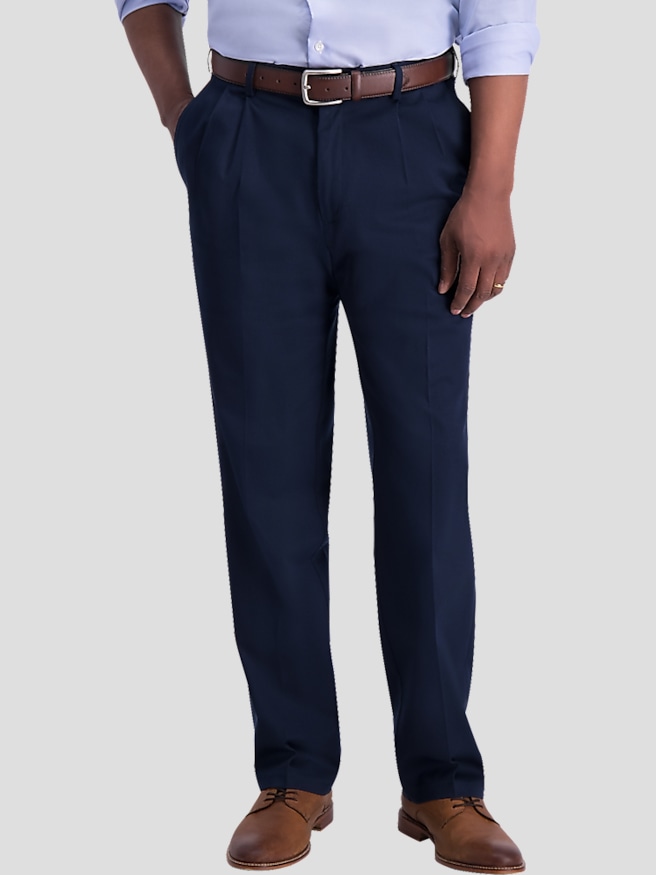
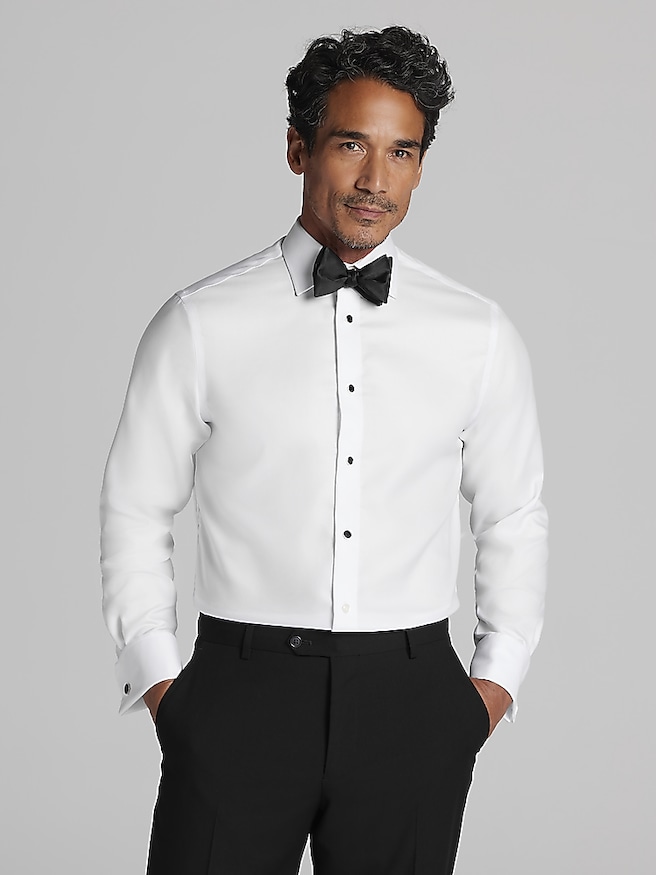
Blue formal wear includes suits, tuxedos, dress shirts, and coordinating accessories in shades ranging from pale blue to deep navy and midnight blue. Its appeal comes from that range: a dark blue ensemble can feel restrained and ceremonial, while a brighter shade brings personality to a celebration without relying on a busy pattern. Navy is a versatile foundation for weddings, awards dinners, and dressy receptions because it works naturally with white shirts, polished leather shoes, and many tie colors. Midnight blue has a particularly strong connection to evening formalwear, where its depth complements the satin or grosgrain details of a tuxedo. Royal blue creates a more noticeable presence at prom or a wedding with a colorful dress code, while lighter blues generally suit daytime celebrations and less traditional formal settings. The invitation remains the clearest reference for the level of formality. A blue suit can be appropriate for many weddings and cocktail-attire events, but it is not interchangeable with a tuxedo when black tie is required. For traditional black-tie occasions, a midnight blue tuxedo with formal lapel facings, coordinating formal trousers, a white formal shirt, and a black bow tie is an established choice. The distinction matters more than the color alone: fabric, lapel treatment, shirt details, and footwear all contribute to how dressed up an outfit appears. A groom standing beneath soft reception lighting may prefer the quiet depth of navy, while a prom attendee might enjoy the stronger color of royal blue in photographs. Wedding guests often benefit from a quieter shade that respects the requested palette without copying the wedding party. Across these settings, men's blue formal wear offers room for individual taste while keeping the overall impression composed. Solid fabrics tend to be easiest to coordinate, while a subtle tonal texture can add dimension without competing with a boutonniere, pocket square, or patterned tie.
Fabric and fit determine how blue formal attire looks beyond the first impression. Wool is valued in tailored clothing for its drape, breathability, and ability to recover from light creasing, although performance varies with the weave, weight, and construction. A smooth worsted wool gives navy or midnight blue a clean surface that works well for ceremonial dressing. Wool blends can bring different combinations of texture, resilience, and ease of care, while a small amount of stretch may make sitting, reaching, and dancing more comfortable. Stretch does not replace a proper fit, and a fabric that feels comfortable in a fitting room should still allow natural movement once the jacket is buttoned. Velvet creates a deeper, more light-sensitive appearance, making blue look rich in one direction and brighter in another; its distinctive surface also calls for care that protects the pile. Matte fabrics generally create a quieter effect, while pronounced sheen makes the color more conspicuous under flash photography and event lighting. Construction matters, too. Even stitching, a smooth lining, and neatly finished seams help tailored clothing withstand repeated wear, while unnecessary tension at pockets or closures can put stress on the fabric. The jacket should follow the body without pulling into an X around the button, and the shoulder line should sit cleanly rather than extend noticeably beyond the natural shoulder. A collar that rests against the shirt helps the back look settled instead of leaving a visible gap. Slim, modern, and classic fit labels describe different silhouettes, but their proportions vary; the useful measure is how the garment sits on the person wearing it. Trousers need enough room through the seat and thighs to sit comfortably through dinner, with a hem that meets the shoes neatly. For someone attending a ceremony, posing for photographs, and spending hours on the dance floor, balanced proportions and freedom of movement matter more than an overly narrow silhouette. Sleeve and trouser adjustments can make a substantial difference without changing the character of the outfit.
Finishing details give blue formal wear its sense of occasion. A white dress shirt creates a clear contrast with navy and royal blue, helping the face and neckline remain the focus. Pale blue shirts can work with a navy suit for less ceremonial dress codes, but a traditional tuxedo calls for an appropriate white formal shirt. With a blue suit, a silk tie in burgundy, silver, navy, or a restrained pattern can establish a different mood without overwhelming the tailoring. A pocket square does not need to duplicate the tie; white linen offers a clean finish, while a small amount of shared color can connect the accessories more subtly. Blue also coordinates well with the plum and violet shades associated with Purple Formal Wear, particularly when a wedding party shares an accent color rather than identical outfits. Metal details look most cohesive when their finishes are consistent, whether that means a silver-tone tie bar and cufflinks or warmer accents selected to suit the rest of the ensemble. Black patent leather or appropriately polished black formal shoes complement a midnight blue tuxedo. With a navy suit, black leather reads more ceremonial, while dark brown can feel less formal when the dress code permits it. A silk tie or understated cufflinks can make a thoughtful gift for someone preparing for a milestone celebration, especially when their preferred colors and event attire are known. After the occasion, proper care helps preserve both shape and color. The care label should determine cleaning methods, since wool, blends, velvet, and decorative facings may need different treatment. Airing garments after wear, brushing suitable fabrics gently, and using a broad, supportive jacket hanger can reduce unnecessary cleaning and help maintain the shoulder shape. Trousers should be hung neatly to limit creasing, and garments should be completely dry before storage in a breathable garment bag. Addressing marks promptly through the recommended care method, rather than rubbing aggressively, helps protect the finish so the outfit remains ready for another important invitation.