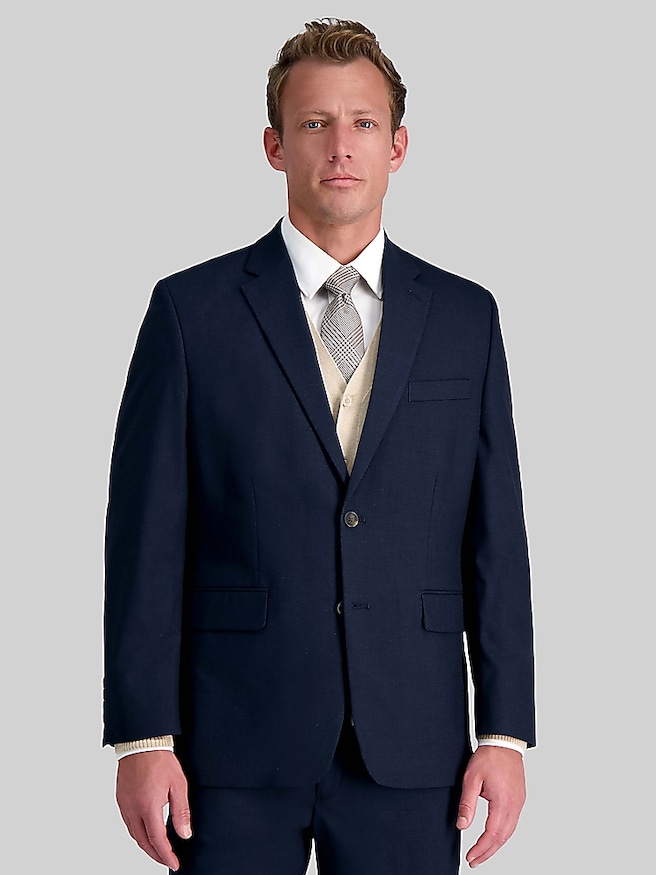
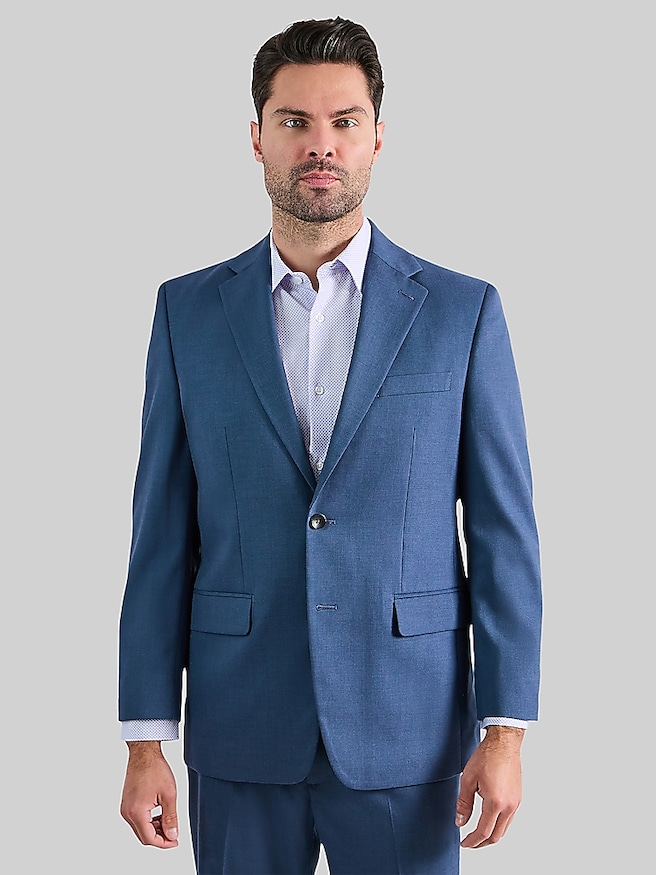
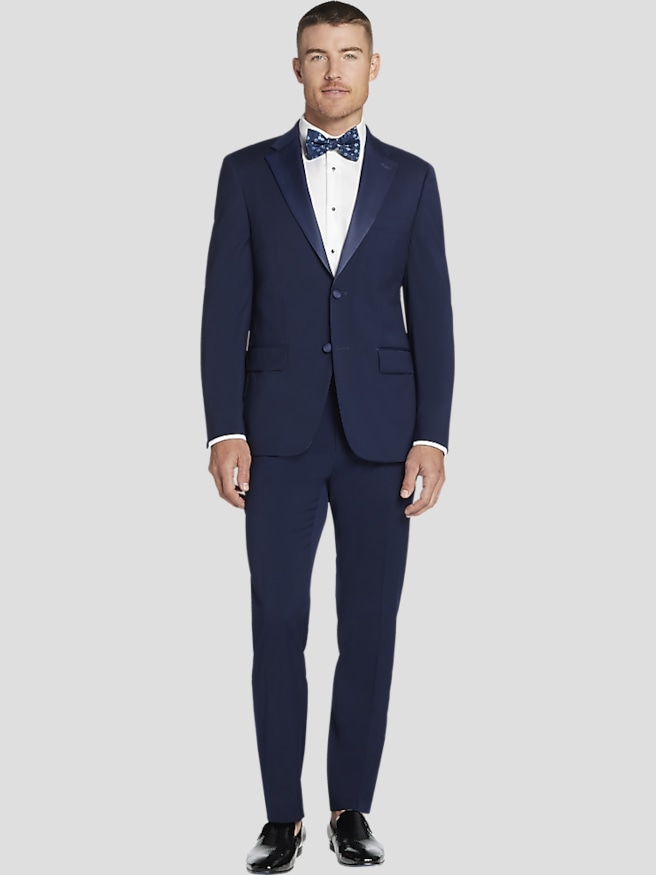
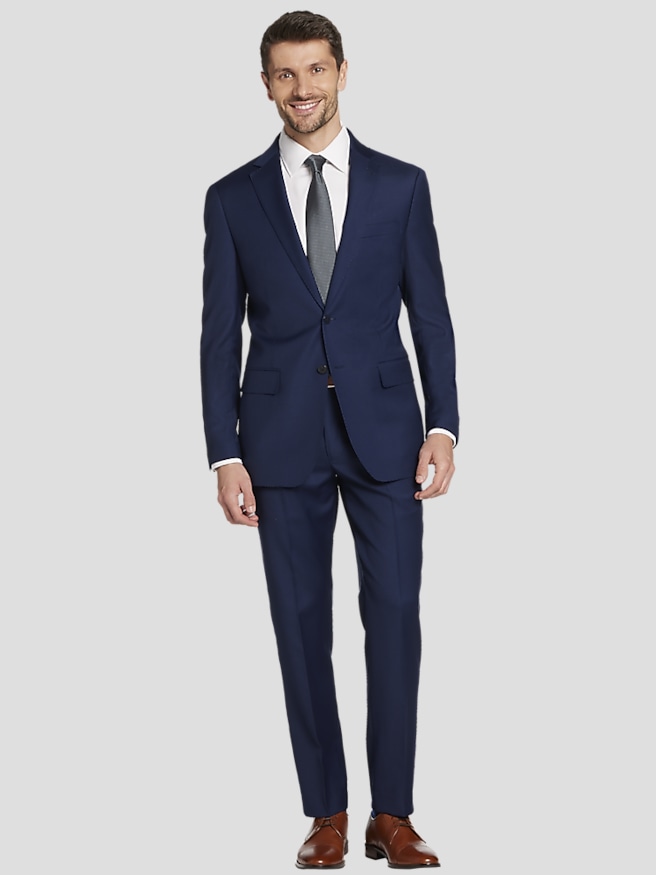
Dark blue formal attire centers on deep navy and midnight blue tailoring, with matching jackets and trousers creating a polished foundation for weddings, galas, proms, and other dress-up occasions. The depth of the color gives it much of the restraint of black while allowing the fabric’s texture and the shape of the tailoring to remain visible. Navy often reads distinctly blue in photographs, while midnight blue can appear nearly black under evening lighting. Both shades work beautifully with a crisp white shirt, though the construction of the outfit matters as much as its color. A dark blue suit with fabric-covered lapels belongs at many weddings, formal receptions, and business occasions; a dark blue tuxedo with contrasting satin or grosgrain lapels is the more appropriate direction when an invitation specifies black tie. A conventional suit does not become a tuxedo simply through the addition of a bow tie. For black-tie events, midnight blue tailoring paired with a formal white shirt, black bow tie, and polished black formal footwear creates a particularly cohesive appearance. At a wedding with a formal dress code that allows suits, deep navy offers more flexibility in neckwear and accessories. The same restrained color can suit a groom, a wedding guest, a graduating student, or someone attending an awards dinner, with the finishing details establishing the level of ceremony. Matching the jacket and trousers in fabric as well as shade is important: two pieces labeled navy may have noticeably different undertones, surface textures, or levels of sheen. A coordinated suit keeps those differences from interrupting the overall line. Subtle details such as a peak lapel, a neatly shaped waist, or a clean trouser drape can give dark blue formalwear presence without relying on a bright pattern. The result is clothing that lets the wearer look appropriately dressed in a receiving line, at a dinner table, or in a group portrait without making the outfit the center of attention.
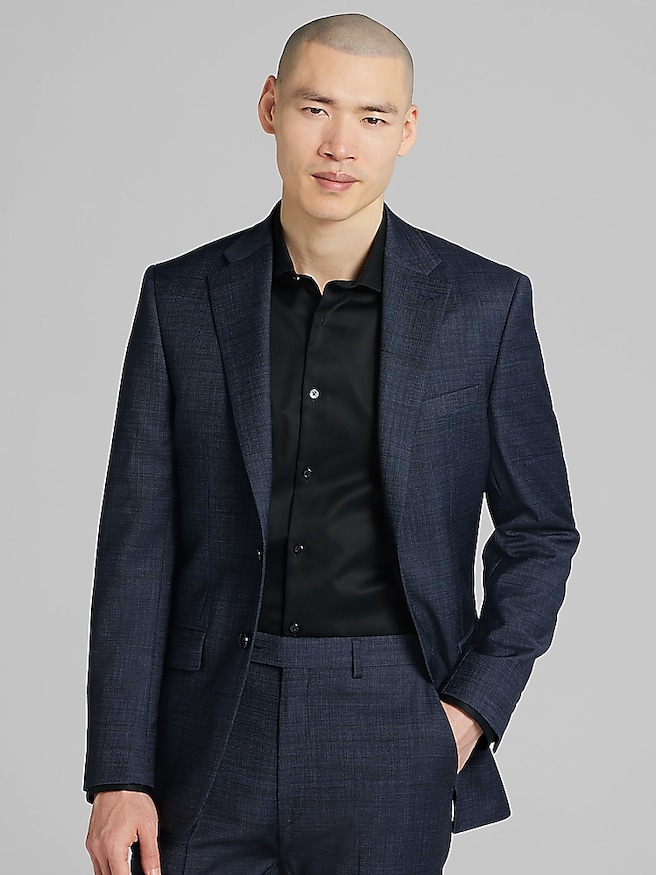
Fabric and fit determine how dark blue formal attire looks after the first photograph and feels through the last conversation of the evening. Wool is a traditional suiting material because it can combine a smooth surface, comfortable breathability, and a resilient drape. Fine worsted wool creates a relatively sleek finish, while subtle woven textures add depth without necessarily reading as a pattern from a distance. Wool blends can introduce other qualities, including added stretch or improved resistance to wrinkling, depending on their composition and construction. Fabrics containing synthetic fibers may offer practical resilience, but feel, breathability, and sheen vary considerably; the fiber label alone does not tell the whole story. A pronounced shine can make dark blue look more dramatic, whereas a matte finish usually feels quieter and more adaptable. Lining, seam quality, and the way the jacket holds its shape also influence comfort and longevity. At the shoulders, the jacket should follow the wearer’s natural outline without an overhanging edge or a tight ridge across the upper arm. The collar should sit close to the shirt collar, and the lapels should lie smoothly rather than bow outward. When the jacket is buttoned, strong pulling around the closure can signal that the body is too snug. Slim tailoring should still permit sitting, shaking hands, and bringing a glass comfortably to the mouth; a roomier cut should retain definition rather than collapse into excess fabric. Trousers need enough ease through the seat and thighs to sit comfortably through dinner, with a hem that meets the shoes cleanly instead of pooling over them. A slight break offers a traditional finish, while little or no break produces a sharper line when the trouser shape supports it. Sleeve length, trouser length, and waist adjustments can refine the proportions, but a sound fit through the shoulders and chest is the essential starting point. For an outfit expected to serve across several occasions, balanced proportions and enough room for ordinary movement are often more useful than an exaggeratedly narrow silhouette.
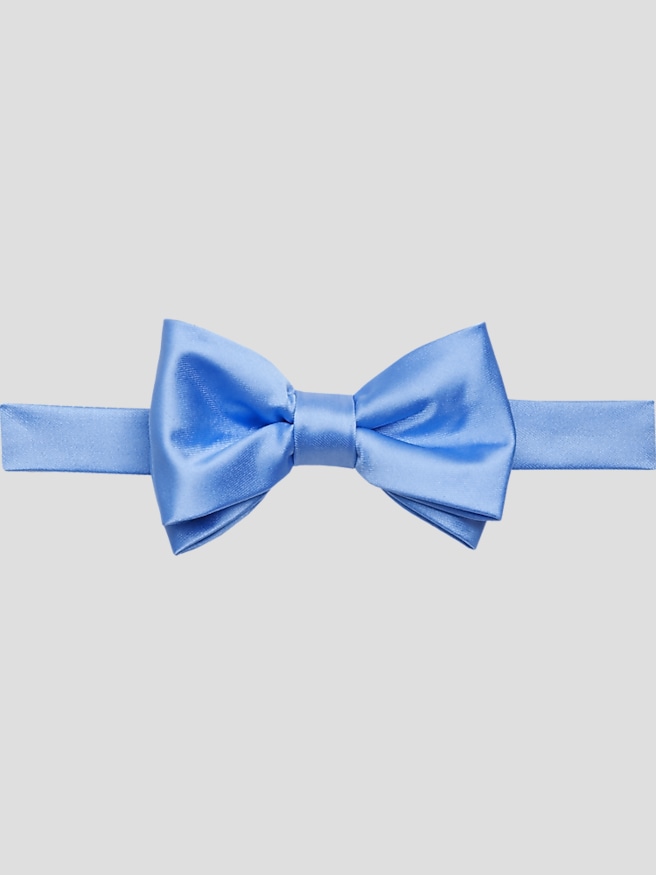
Finishing details bring out the richness of navy without competing with it. A bright white shirt supplies the clearest contrast, making the face and neckwear stand out against a dark jacket. Pale blue can work with a suit when the occasion permits a less ceremonial combination, while a formal tuxedo generally calls for an appropriate white evening shirt. For suit-based looks, Steel Blue Formal Ties offer a tonal direction that introduces a lighter blue near the face while keeping the palette restrained. A tie should sit neatly beneath the collar, with its width in reasonable proportion to the jacket lapels and its tip reaching approximately the waistband. A white pocket square with a simple fold adds definition without requiring an exact match to the tie. Black leather footwear provides a dependable foundation for dark blue formal dressing; highly polished or patent finishes belong naturally with tuxedo styling, while smooth leather lace-ups complement a tailored suit. Dark socks that blend with the trousers maintain the line when the wearer sits down. For someone giving a formalwear accessory as a gift, an understated tie or pocket square can be easier to select than a fitted garment, especially when the recipient’s usual dress code and preferred colors are known. Keeping these clothes presentable between occasions is equally important. Follow each garment’s care label, and use professional cleaning when specified rather than assuming every tailored piece can be washed at home. Routine care can include gentle brushing, airing after wear, and prompt attention to marks before they settle into the fabric. A broad, shaped hanger supports the jacket’s shoulders, while trousers stored along their crease are less likely to develop awkward folds. Avoid crowding tailored clothing in a closet, and use a breathable garment bag for protection during storage or travel. Excessive heat or careless pressing can leave unwanted shine on dark fabric, particularly around seams and pockets, so pressing deserves a cautious approach. With thoughtful construction, comfortable proportions, and consistent care, dark blue formal attire can remain a dependable choice for meaningful celebrations and occasions that call for a composed, carefully finished appearance.