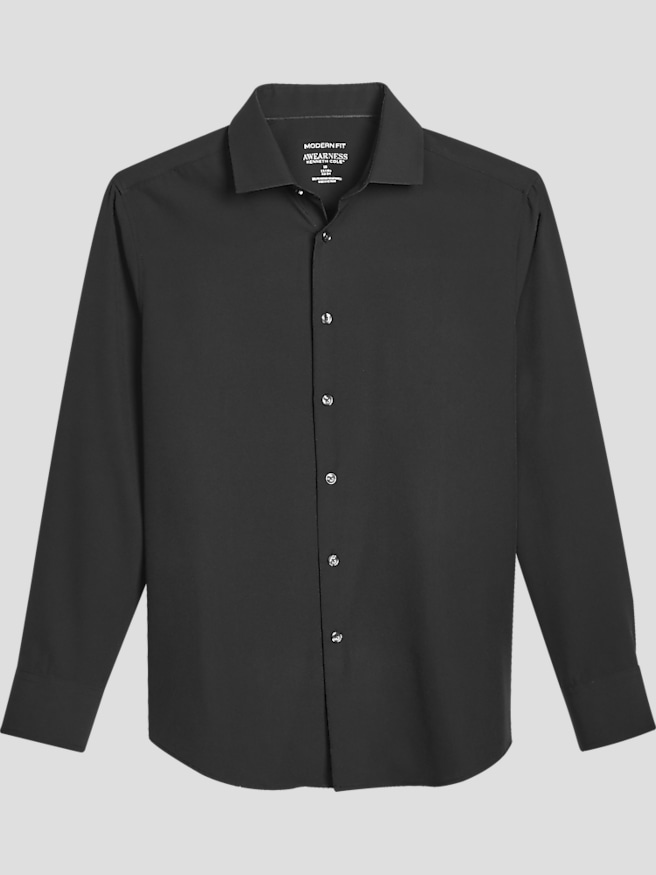
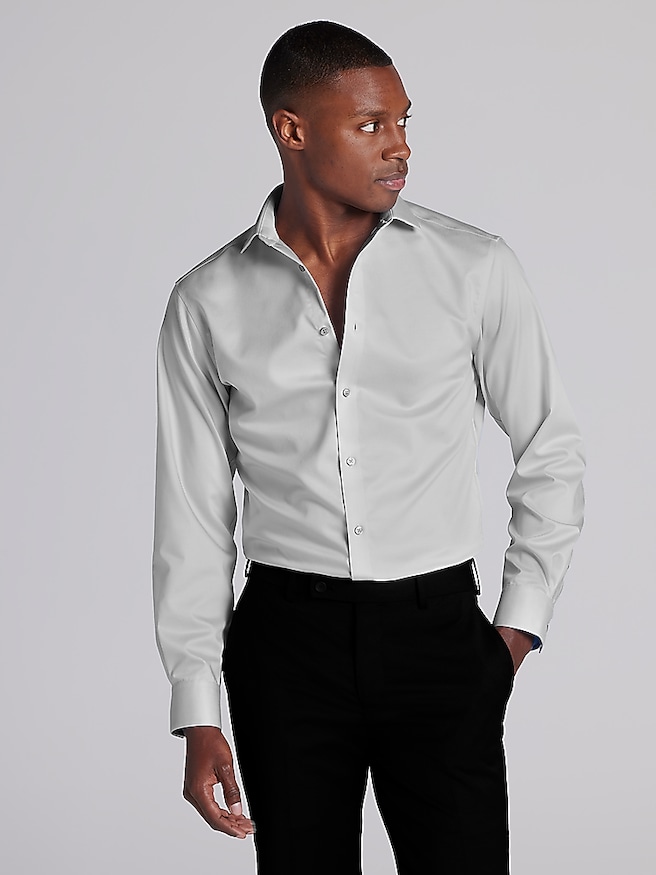
Big and tall business casual shirts bring together the clean lines of office attire and the ease needed for a full day of meetings, desk work, and time on the move. A well-proportioned shirt sits smoothly across the shoulders, gives the chest and midsection enough room without excess fabric, and has the right sleeve and torso lengths for its intended fit. Big sizing generally accommodates a fuller build, while tall sizing adds length through the body and sleeves; some builds benefit from both. Those distinctions matter more than simply going up a size, which can leave the collar too loose or the shoulder seams hanging beyond their natural position. The shoulder seam should sit close to the edge of the shoulder, and the front placket should lie flat rather than pull open between buttons when seated. Long sleeves should reach the wrist with the arms relaxed, with cuffs that stay comfortably in place instead of slipping over the hands. A little room across the upper back makes a noticeable difference when reaching for a keyboard, driving to a client appointment, or lifting a bag onto a shoulder. Back pleats and stretch fabrics can contribute to that freedom of movement, though neither replaces the need for appropriate measurements. Tucked styles need enough length to remain inside the waistband through sitting and standing, while shirts designed for untucked wear have a shorter, more deliberate hem that does not overwhelm the trousers. For anyone comparing everyday silhouettes, the broader category of big and tall shirts provides context for how office-ready styles fit into a complete wardrobe. The strongest business casual choices balance proportion and purpose: neat enough beneath a sport coat, comfortable without a jacket, and suited to the expectations of the workplace. Neck, chest, and sleeve measurements offer a useful starting point, but the finished silhouette should also feel comfortable in motion, not just look correct while standing still.
Fabric and construction shape how a business casual shirt looks at the beginning of the day and how it feels several hours later. Cotton has a familiar, breathable feel, with its character depending partly on the weave. Oxford cloth has a visible basketlike texture that works naturally with chinos and less structured tailoring. Pinpoint weaves offer a finer surface, while poplin has a smooth, crisp appearance that can look especially polished beneath a jacket. Twill has a subtle diagonal texture and often drapes more softly, making it a useful choice for someone who prefers a shirt that follows the body without appearing stiff. Cotton blends can combine softness with easier care, and a small amount of elastane or spandex can add give across the chest, elbows, and shoulders. Some performance fabrics use stretch yarns or flexible constructions to support movement, but claims such as moisture management or wrinkle resistance should be checked in the individual fabric description rather than assumed. Stretch also needs room to work: a shirt that stays under tension across the midsection is likely too close-fitting, even if the fabric feels flexible. Collar construction makes an equally visible difference. A button-down collar keeps its points anchored for a tidy open-neck appearance, while a spread collar creates a cleaner, slightly dressier frame beneath a blazer. Neither requires a tie to look finished when the collar holds its shape and the opening lies neatly. Small checks, restrained stripes, and solid colors offer distinct textures and patterns without competing with the rest of an outfit. Closely spaced patterns tend to read more quietly from across a meeting table, while larger checks give the shirt a more relaxed character. Smooth seams, secure buttons, and neatly finished buttonholes are practical details worth attention because these areas see repeated movement and handling. Reinforcement at stress points can support durability, while balanced stitching helps collars, cuffs, and plackets retain a clean appearance through regular wear.
Big and tall business casual button-down shirts earn their place in a wardrobe through repeat use, not just a single polished outfit. A pale blue shirt tucked into charcoal trousers creates a straightforward office combination; a subtle check with flat-front chinos feels more relaxed while still looking considered. With a sport coat, a shirt should have enough room to move without bunching at the upper arms or gathering heavily around the waist. Under a fine-gauge sweater, a smoother fabric and a controlled amount of fullness help keep the layers from looking bulky. Untucked wear can work in a less formal office when the shirt is designed for it and the hem falls around the middle of the fly, rather than hanging close to the bottom of the seat. Workplace expectations still set the standard: an office that welcomes open collars may have different requirements for client presentations or leadership meetings. These shirts also suit professional networking events, dinners after work, and video calls where the collar and upper chest form most of the visible outfit. For someone starting a new role or rebuilding a work wardrobe, they can make a thoughtful gift when neck size, sleeve length, fit preference, and care habits are known. Long-term appearance depends on matching those habits to the fabric. The care label should determine wash temperature, drying method, and whether ironing is appropriate, especially for fabrics containing stretch fibers. Wrinkle-resistant does not necessarily mean wrinkle-free, and removing a shirt promptly after its recommended drying cycle can reduce creasing. Hanging it with the collar and shoulder seams arranged neatly helps it hold its shape between wears. Collars and cuffs benefit from timely attention to marks before laundering, using a treatment suitable for the fabric. Excessive heat can affect some fibers and finishes, so more heat is not automatically better for a crisp result. With sound proportions, appropriate fabric, and consistent care, a business casual shirt can remain a dependable part of the workday, from the first conversation at the desk to the final appointment on the calendar.