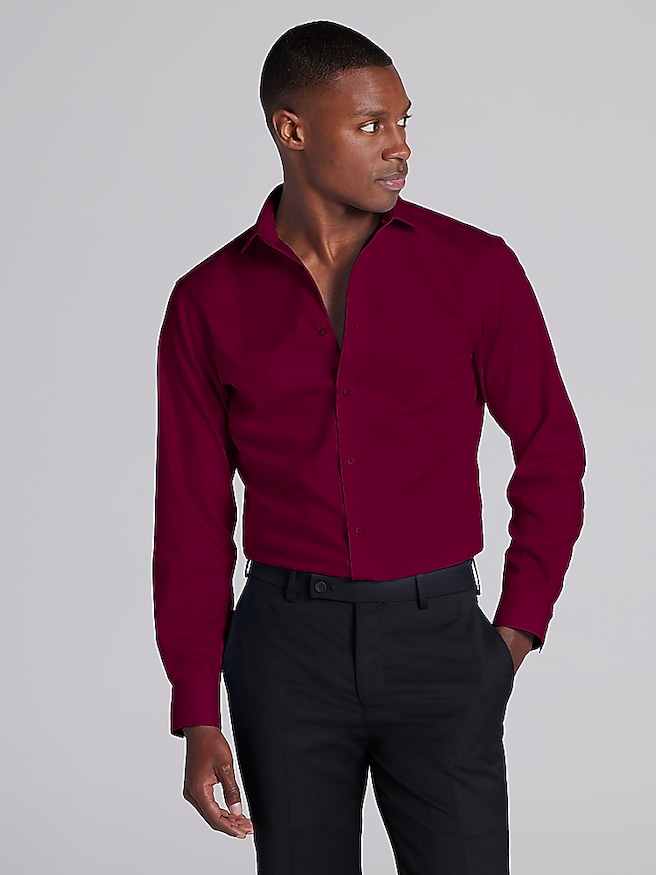
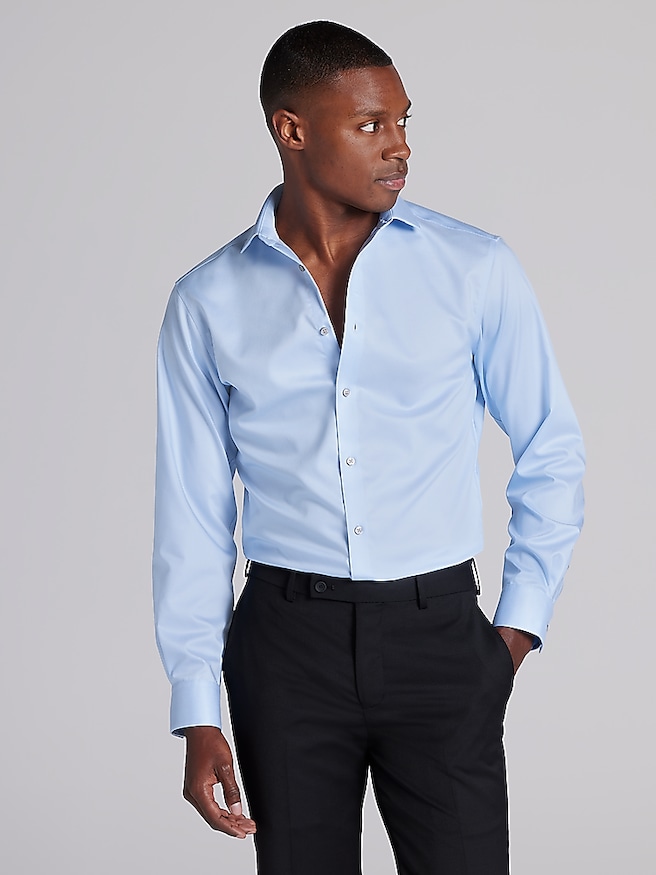
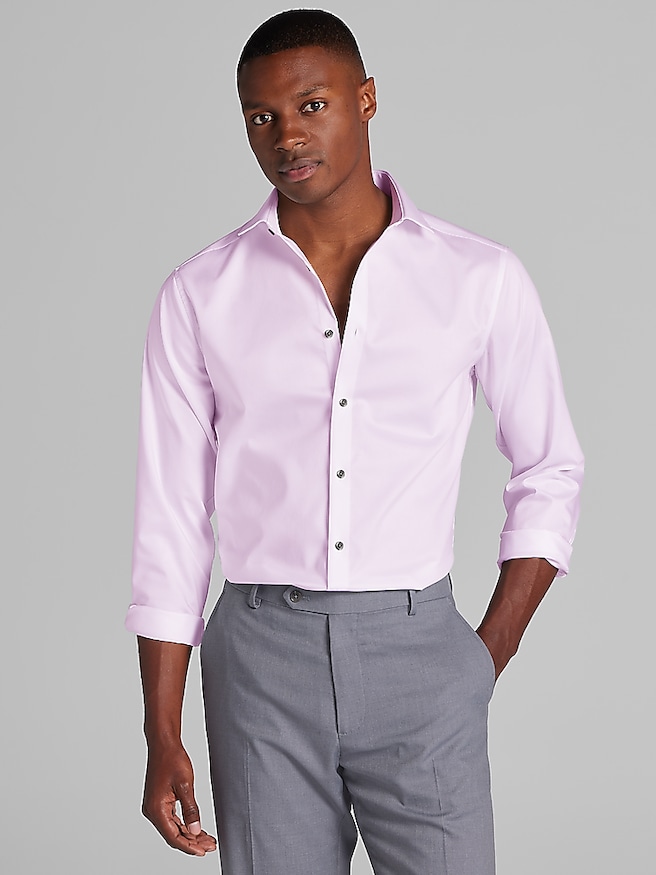
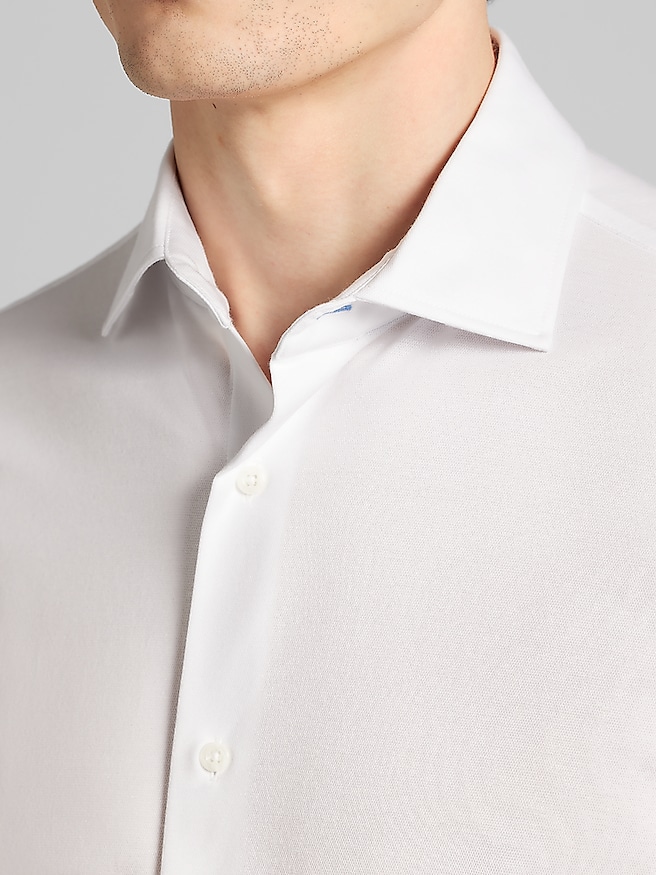
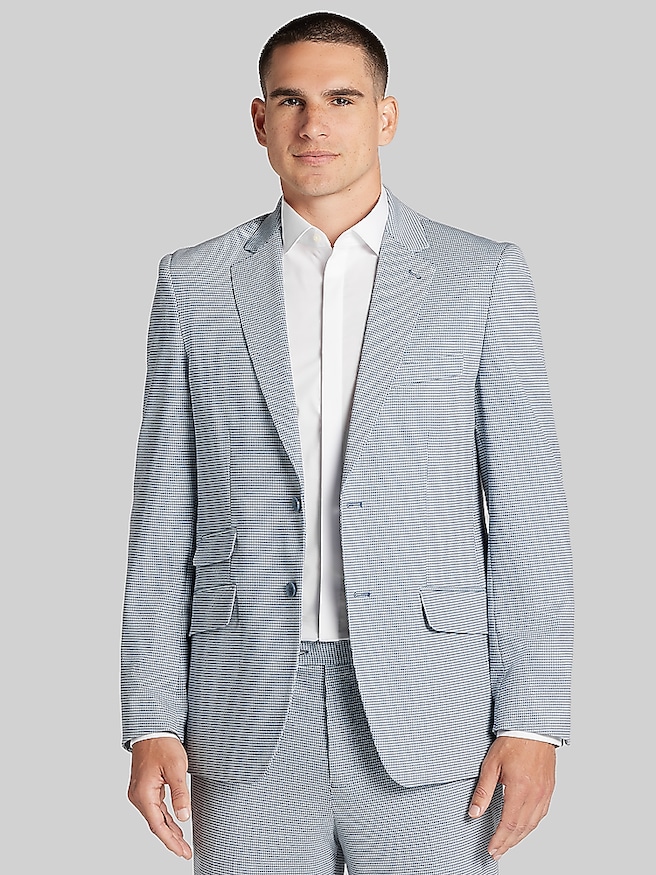
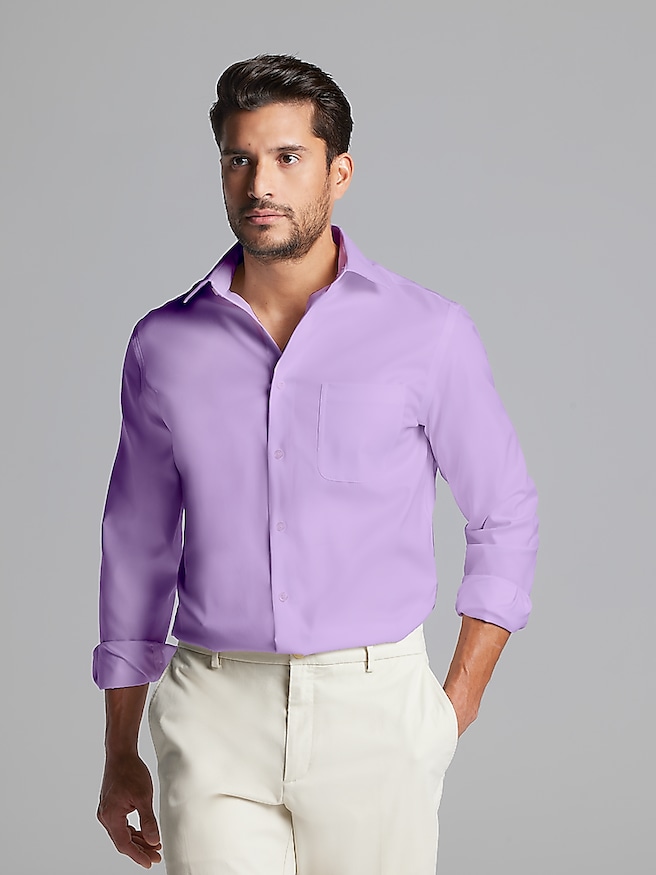
Business casual for big and tall men combines polished everyday clothing with proportions that allow comfortable movement through the shoulders, chest, waist, and legs. The balance comes from clean structure, room where it is needed, and lengths that suit the wearer—not simply choosing a larger size. Button-down shirts, polos, chinos, dress pants, and unstructured jackets can all belong in this category, with the right combination depending on the workplace. An office with frequent client meetings may call for a tucked-in shirt and tailored pants, while a more relaxed setting may welcome a knit polo with neatly finished chinos. Big and tall sizing addresses distinct needs: a broader build may benefit from additional room through the torso, seat, or thighs, while a taller frame may need longer sleeves, a longer shirt body, a longer inseam, or adjusted jacket proportions. Some men need both. A shirt should sit comfortably across the upper back when reaching for a laptop or shaking hands, without pulling at the buttons when seated. Shoulder seams that land near the shoulder’s natural edge help the garment look intentional rather than oversized. Enough body length keeps a tucked shirt secure through a meeting, while an untucked style looks more balanced when its hem does not overwhelm the pants beneath it. Trousers should rest comfortably at the intended waist position, with enough room through the rise and seat to sit naturally. A leg that falls smoothly rather than clinging or bunching creates a finished appearance without requiring a narrow cut. These details matter during ordinary moments: stepping into a conference room, settling into a desk chair, or heading straight from work to dinner. Business casual clothing for bigger and taller builds works best when comfort and presentation support each other, allowing the person wearing it to focus on the day rather than repeatedly adjusting a collar, waistband, or hem.
Fabric and construction make a noticeable difference in how that fit feels over a full workday. Cotton shirts offer a familiar hand and a crisp appearance, while cotton blends may add stretch, wrinkle resistance, or easier care, depending on their composition and finish. Oxford weaves bring subtle texture to a button-down, and smoother woven fabrics can look a little dressier beneath a jacket. Knit polos offer another option, with a softer feel and a collar that gives the outfit definition. A collar that holds its shape and a placket that lies flat help a polo look appropriate at a desk or across a meeting table. For pants, cotton twill provides texture and structure, while certain wool blends offer a fluid drape suited to more polished offices. A modest amount of stretch can make sitting, walking, and bending more comfortable, but stretch alone does not replace adequate room in the cut. Fabric should return to its shape rather than remain stretched at the knees or seat. Substantial material can help pockets lie smoothly and reduce the visibility of pocket bags, while excessively stiff cloth may feel restrictive even in the correct size. Construction details such as secure buttons, even stitching, reinforced stress points, and neatly finished seams contribute to durability under repeated wear. Flat-front pants create a straightforward look, while well-proportioned pleats can provide useful room through the upper leg. Neither approach is automatically better for every build. Color and pattern offer similar flexibility: navy, charcoal, tan, and muted blue are easy foundations, while checks, stripes, and textured solids add variety without making an outfit feel busy. Pattern scale is a matter of preference and proportion, not a rule about body size. A clearly defined check or a subtle stripe can both work when the garment fits well. Coordinated separates also make it easier to change the level of formality without rebuilding an entire work wardrobe.
A useful big and tall business casual wardrobe supports more than one version of the workday. A presentation, an interview at a relaxed workplace, a team lunch, and a day spent moving between a desk and appointments may each call for a slightly different combination. Chinos with a tucked button-down can feel approachable and professional; dress pants with a knit polo offer a similarly composed look with softer lines. An unstructured jacket adds definition for a meeting without requiring a matching suit, provided there is enough room through the chest and upper arms to move comfortably. The jacket’s length should look balanced with the torso and legs, and its sleeves should not cover the hands. Shoes and accessories help establish the overall tone: leather loafers or lace-up shoes generally read as more polished, while a simple belt creates a consistent finish with tucked shirts. Clean footwear and well-kept fabric often contribute more to a business casual outfit than extra accessories. Care is part of that presentation, especially for clothing worn repeatedly throughout the week. Garment labels provide the most reliable directions for washing, drying, ironing, or professional cleaning, since similar-looking fabrics can have different requirements. Excessive heat can affect shrinkage and the performance of stretch fibers, while crowded storage can leave shirts and jackets creased before they are worn. Appropriate hangers help support shoulders, and prompt attention to loose buttons or small seam openings can keep routine wear from becoming larger damage. Pants that fit through the waist, rise, and thighs may still benefit from a hem adjustment; shortening the leg cannot correct a restrictive seat or an uncomfortable waistband. For workplaces with a more traditional dress code, Business Attire For Big Men connects the same attention to proportion with a dressier approach to office clothing. Across these settings, the strongest foundation remains consistent: suitable fabric, thoughtful construction, and a fit that looks composed while leaving room to move.