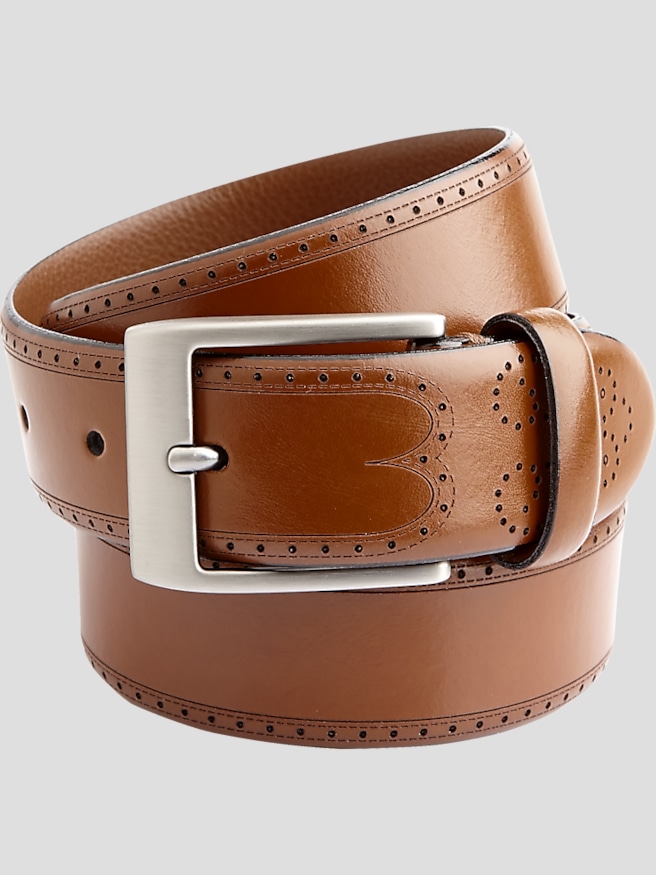
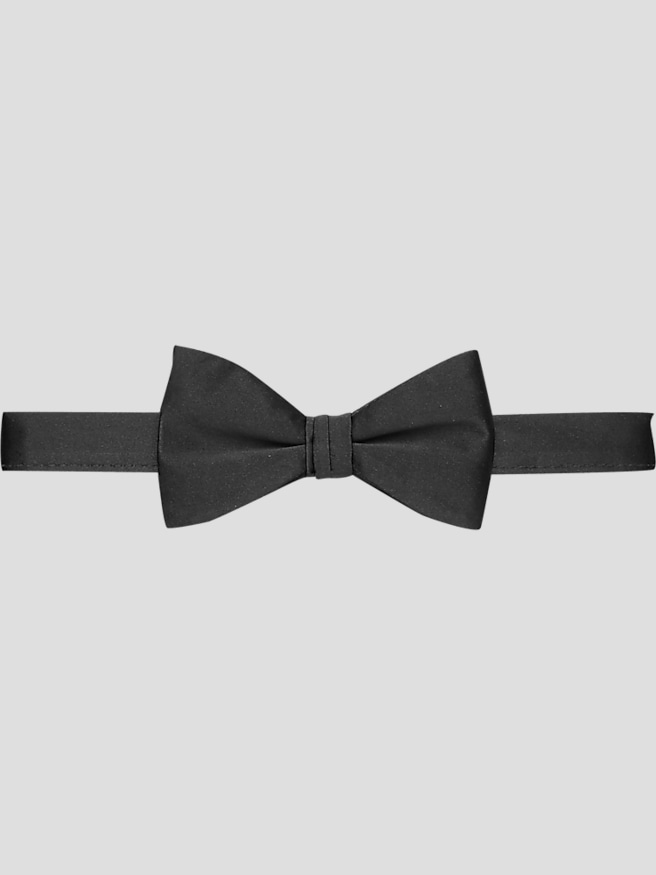
Accessories for the best man bring together two wedding traditions: the finishing touches worn with his wedding attire and meaningful gifts from the groom. Ties, bow ties, pocket squares, cuff links, dress socks, and other finishing details help connect his outfit to the wedding party while leaving room for a little individual character. The right combination depends on the dress code, the groom’s preferences, and the suit or tuxedo itself. A black-tie celebration generally calls for restrained, formal accessories, while a wedding with suits may allow more variation in color, texture, and pattern. The best man’s accessories can match those worn by the other groomsmen or carry a subtle distinction, such as a complementary tie shade or a pocket square with a different pattern. That distinction works best when it feels intentional rather than dramatic. A richly textured tie against a smooth jacket, a crisp white pocket square, or a quiet metallic accent can provide enough definition for close-up photographs without competing with the groom. Coordination does not have to mean that every fabric matches exactly; a pocket square can echo one color in a tie while introducing a smaller pattern or a softer texture. Attention to proportion matters, too, since a narrow tie can look out of balance against broad lapels, and an oversized pocket square fold may overwhelm a trim jacket. A coordinated approach to men's accessories for wedding attire keeps these details connected across the full wedding party. For the best man, who may move from helping with preparations to standing beside the groom and delivering a toast, accessories should look polished both in posed portraits and in motion. Comfortable, secure details support that role without becoming something he needs to adjust throughout the celebration. The result is an outfit that feels appropriate to the occasion, recognizable as part of the wedding party, and still natural on the person wearing it.
Materials and construction influence how best man accessories look, feel, and hold up beyond the wedding day. Silk neckwear often has a smooth drape and a subtle sheen that suits formal clothing, though the weave can produce anything from a sleek surface to a more pronounced texture. Cotton and linen accessories tend to have a more matte appearance, while wool can add depth and a softer visual finish. Fabric thickness affects both the size of a tie knot and the fullness of a pocket square, making material just as important as color when coordinating with a shirt collar or jacket pocket. A substantial tie can create a fuller knot, whereas a lighter fabric generally folds into a smaller shape. Fit also extends beyond clothing sizes. A bow tie needs a comfortable neck adjustment, a necktie should reach approximately to the waistband when tied, and a tie bar should be narrower than the tie it holds. Cuff links require compatible shirt cuffs, most commonly French cuffs, rather than standard button cuffs. Smooth closures and secure fastenings matter when an accessory will be worn through a ceremony, dinner, and dancing. Leather belts work with belt-loop trousers, while suspenders suit trousers designed for their attachment style; trousers with side adjusters may need neither. Dress socks with enough length and gentle stretch help maintain coverage when seated, and comfortable materials make a noticeable difference over several hours. Care requirements deserve equal consideration, especially for accessories intended for repeated use. Delicate neckwear may need professional cleaning according to its care label, and ties benefit from being untied gently rather than pulled loose. Pocket squares should be cleaned and pressed as their fabric allows. Metal accessories generally benefit from a soft cleaning cloth and separate storage that limits scratching, while leather benefits from appropriate care and protection from excess moisture. Durable stitching, neatly finished edges, dependable hardware, and well-chosen fabrics all contribute to accessories that remain useful long after the wedding photographs are taken.
As gifts, best man accessories can express appreciation without losing their practical purpose. The groom may choose something intended for the ceremony, something the best man can wear to future occasions, or a detail that does both. A gift selected around the recipient’s habits often feels more personal than one chosen only to match the wedding colors. Someone who regularly wears tailored clothing may appreciate understated accessories that work with several shirts and suits, while a best man who dresses formally less often may get more use from versatile colors and straightforward fastenings. For a brother, longtime friend, or close relative, a familiar shade, a meaningful motif, or an engraved detail can quietly acknowledge the relationship. Personalization, when part of the gift, is often most wearable when it remains discreet enough for business events, milestone dinners, and other weddings. Presentation can be simple and thoughtful: a handwritten message explaining why the groom chose the accessory gives an everyday finishing touch a lasting connection to the occasion. If the gift is meant to be worn during the ceremony, compatibility with the planned shirt, jacket, and trousers matters as much as sentiment. A beautiful pair of cuff links has a different purpose from a tie, and each needs the right clothing to be useful. Protective storage also adds practical value, particularly when the best man is traveling or carrying wedding attire separately from everyday luggage. Keeping metal pieces apart, laying neckwear without tight creases, and allowing space for a pocket square help preserve their appearance before the celebration. Afterward, neutral colors and balanced proportions make it easier to bring those same accessories into other outfits. The strongest choices feel considered on the wedding day and comfortable to wear again, carrying a personal memory without being limited to a single occasion.