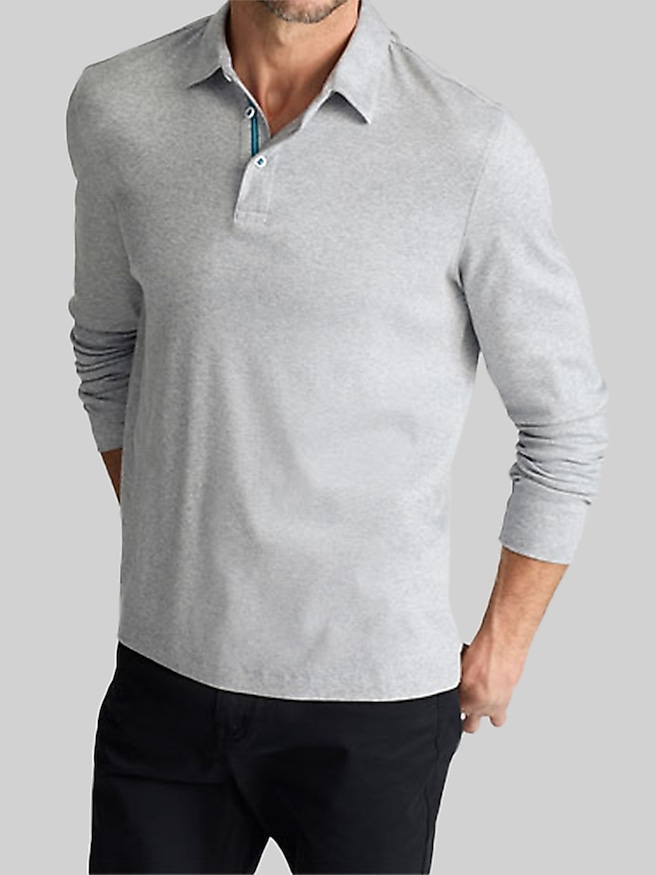
XXL polo shirts are collared knit shirts in an extra-extra-large size, often labeled 2XL, with a button placket that gives an everyday shirt a more finished appearance. They occupy a useful space between a T-shirt and a button-down: relaxed enough for a neighborhood gathering, yet polished enough for many business-casual offices, restaurant outings, and informal celebrations. The collar frames the face, while the knit construction allows the shirt to move comfortably through a day spent sitting, walking, or reaching. XXL is a size designation, not a universal set of measurements, so the most useful fit details are chest circumference, shoulder width, sleeve opening, and body length. A shirt that fits well across the chest should fall smoothly rather than pull into horizontal lines, and the placket should lie flat when buttoned. On a conventional set-in sleeve, the shoulder seam generally sits near the edge of the shoulder rather than slipping well down the arm. Short sleeves should leave enough room to bend and reach without squeezing the upper arm or flaring dramatically outward. Through the torso, a little ease makes the shirt comfortable without creating folds of excess fabric beneath a jacket. XXL also does not automatically mean tall: someone who needs extra torso length may need a tall proportion rather than a wider shirt. A size chart and the measurements of a comfortable polo provide a more dependable comparison than the letter size alone. Slim, classic, and relaxed cuts can each fit quite distinctly within the same labeled size. The intended way of wearing the shirt matters, too. An untucked polo generally looks balanced when its hem covers the waistband without extending so far that it overwhelms the trousers. A tucked polo needs enough length to stay secure when the wearer sits down or raises an arm. Side vents can give the hem extra freedom over the hips, while a longer back hem can help maintain coverage. Together, these small construction details determine whether a polo feels easy and looks neat throughout an ordinary day.
Fabric and knit structure give XXL polo shirts much of their character. Cotton piqué has a lightly raised, textured surface that lends visual depth to a solid color and generally feels more structured than smooth jersey. Jersey-knit cotton has a softer, more fluid drape, making it a natural match for jeans, casual trousers, and relaxed plans. Neither fabric name alone establishes thickness or quality; yarn, fabric weight, and construction also influence how a shirt feels and holds its shape. Cotton blends can balance softness with resilience, while a small amount of elastane can add stretch for movement across the shoulders and back. Stretch works best as an aid to comfort, not as a substitute for adequate room. Performance-oriented synthetic fabrics may offer moisture management, quick drying, or wrinkle resistance, but those characteristics depend on the textile and its stated features. For someone who moves between a desk, a commute, and errands, a fabric that recovers neatly after sitting can be especially practical. For golf or other activities involving repeated arm movement, shoulder mobility and a hem that stays in place deserve attention. Collar construction matters as much as the body fabric: a collar that lies evenly gives the shirt a crisp outline, while ribbed sleeve cuffs create a closer finish around the arms. Solid navy, charcoal, and muted shades work easily with patterned trousers, while stripes or subtle knit texture can add interest alongside plain chinos. A polo beneath an unstructured sport coat creates an approachable combination when the setting permits it; the shirt should sit smoothly through the sleeves and chest rather than bunch beneath the jacket. With denim and clean sneakers, the same basic silhouette feels more casual. For occasions that call for a simpler neckline, XXL T-Shirts provide a crewneck or V-neck alternative without the polo’s collar and button placket.
Everyday durability comes from the relationship between fabric, construction, fit, and care. Even stitching around the placket, secure buttons, and tidy seams help a polo withstand repeated wear, while a collar that returns to shape helps preserve its finished appearance. Adequate room also reduces unnecessary strain at the underarms, side seams, and buttonholes. Care instructions take priority over general laundry habits because cotton, stretch blends, and performance fabrics may need distinct treatment. Where the care label permits, washing with similar colors, turning the shirt inside out, and using a gentle cycle can help limit surface abrasion. Prompt attention to a food spot or a mark along the collar is usually easier on the fabric than repeated aggressive treatment after the stain has set. Excessive heat can contribute to shrinkage or affect stretch fibers, so drying temperature deserves the same attention as washing temperature. Fabric softener is not appropriate for every performance textile, particularly when the label advises against it. Removing a shirt promptly after drying and smoothing the collar and placket can reduce creasing; any ironing should follow the labeled temperature and fabric guidance. Folding knit polos neatly avoids the shoulder bumps that some hangers leave behind, while putting them away fully dry helps keep them fresh. These practical details matter for a shirt expected to move repeatedly between office days, family dinners, and weekend plans. XXL polos can also make thoughtful gifts for a father, partner, friend, or graduate whose everyday style favors a collar without the formality of a dress shirt. A familiar color, a preferred sleeve shape, and a confirmed size are more personal choices than simply selecting a larger label. For someone who already wears polos often, matching the measurements and fabric feel of a well-loved shirt can make the gift especially useful. The strongest everyday choice is a polo that fits comfortably, suits the wearer’s routine, and remains straightforward to care for after each wear.