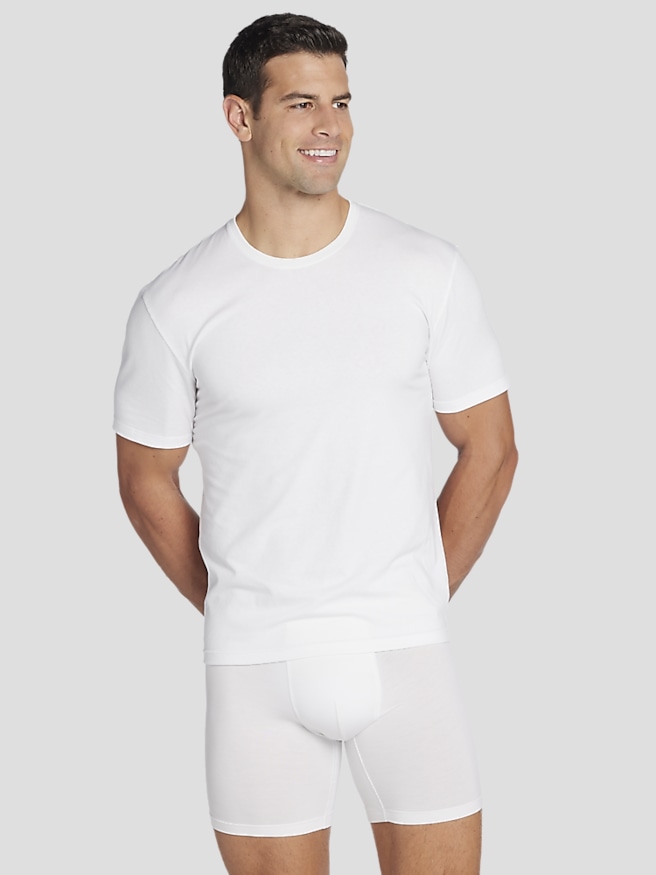
XXL T-shirts are everyday essentials with enough room for a comfortable fit through the chest, shoulders, and torso. Commonly labeled XXL or 2XL, this size is not a universal set of measurements: the cut, fabric, and sizing system all affect how a shirt feels when worn. A size chart is the most useful reference for matching body measurements to a particular fit, especially when chest width and body length matter equally. Someone with broad shoulders may need room across the upper back without extra fabric at the waist, while someone with a fuller midsection may prefer a straighter shape from chest to hem. Regular, relaxed, and oversized fits describe distinct silhouettes rather than interchangeable sizing options. A regular fit generally follows the body with comfortable ease; a relaxed fit allows more space; an oversized design intentionally changes proportions, often with a wider body or dropped shoulder. Moving up a size does not necessarily recreate an oversized cut. XXL also does not automatically mean tall. Tall sizing adds length in areas such as the body and sleeves, while a standard XXL may provide the needed width without that additional coverage. On a well-fitting tee, the neckline rests comfortably, the sleeves allow easy movement, and the hem stays in a useful position when sitting, reaching, or bending. A shirt that looks smooth while standing can feel quite different behind a steering wheel or at a desk, so everyday movement matters as much as the view in a mirror. Crew necks create a familiar, clean outline, while V-necks open the neckline and change how the shirt frames the face. Sleeve length and opening width also influence the overall shape: a closer sleeve can look more defined, while a wider opening gives the upper arm additional space. These details help distinguish a tee that simply has the right size label from one that feels right throughout a full day of errands, travel, time with friends, or downtime at home.
Fabric gives XXL T-shirts much of their character, from a soft, broken-in feel to a smoother finish that works under another shirt. Cotton jersey is a familiar choice because its knit construction offers natural give and a comfortable feel against the skin. Combed cotton generally has a smoother surface because shorter fibers have been removed, while ring-spun cotton often has a softer hand. Cotton blends can balance that familiar feel with other qualities, depending on their composition. Polyester may help a fabric dry more quickly and retain its shape, while a small amount of elastane can add stretch and recovery. Moisture-wicking performance, however, is a specific fabric feature rather than something to assume from a size label or the presence of synthetic fibers. Fabric weight deserves attention, too. A lighter jersey tends to drape closer to the body and tuck with less bulk; a more substantial knit can create a firmer outline and greater coverage. Neither is automatically better, and weight alone does not establish quality. A smooth, dense knit, even stitching, and a neckline that returns to shape after gentle stretching are useful signs of thoughtful construction. Reinforcement at the shoulders can help stabilize an area that receives repeated stress, while neatly finished hems should lie flat rather than twist or ripple. Texture also changes the effect of color: heathered fabric has a softly varied appearance, while a smooth solid creates a more uniform surface. Long-term comfort depends on care as well as construction. The garment’s care label should determine washing and drying methods, since cotton, blends, and stretch fabrics may have different requirements. Excessive dryer heat can contribute to shrinkage or wear on elastic fibers, and repeated overdrying can leave a soft tee feeling rougher. Turning printed shirts inside out helps reduce surface abrasion during washing. Folding tees rather than leaving them on narrow hangers can also help prevent stretched shoulders, particularly with heavier knits. Consistent, appropriate care helps preserve the neckline, color, and fit that made the shirt comfortable in the first place.
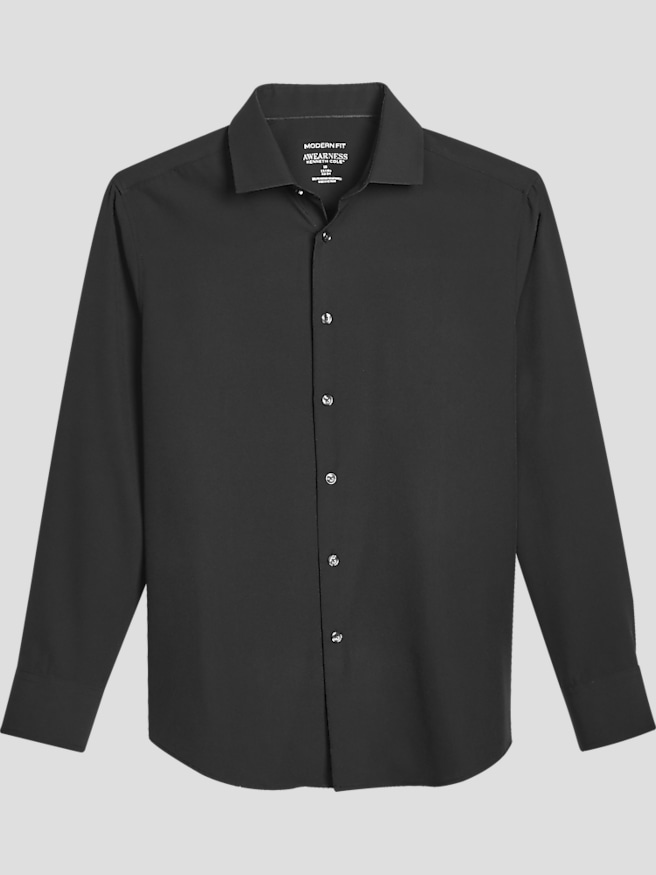
The appeal of XXL T-shirts is their usefulness across a wardrobe, with small changes in cut and styling making them suitable for different parts of the day. A straight-cut crew neck with jeans and clean sneakers has an easy, put-together appearance for a casual lunch or a weekend outing. With chinos, the same basic silhouette can feel more considered without becoming formal. A smooth tee under an open button-front shirt adds a simple base layer, while a substantial neckline can provide a clean edge beneath an unstructured jacket when the setting allows casual clothing. The best layering fit leaves enough space to move without bunching around the upper arms or collecting at the waist. For a tucked look, sufficient body length helps the hem stay secure when seated; for an untucked look, the shirt should fall at a proportion that works with the rise and shape of the pants. Longer is not always more comfortable, especially if excess fabric gathers across the lap. Color and pattern offer another way to vary the effect without changing the essential ease of a tee. Neutral shades create a quiet foundation, deeper colors give an outfit visual definition, and brighter tones or graphics can make the shirt a focal point. The relationship between the tee and the rest of the outfit often matters more than any single styling rule. Broader wardrobe combinations can include XXL Men's Shirts alongside T-shirts, particularly when a collar or a different fabric texture suits the occasion. XXL tees can also make practical gifts for someone whose size, preferred neckline, and usual fit are known. Checking the label and measurements of a favorite shirt is more reliable than guessing from appearance, and a familiar color or fabric can make the gift feel personal. Whether worn on its own, tucked into casual pants, or layered beneath another piece, a thoughtfully chosen XXL T-shirt earns its place through comfortable proportions, dependable construction, and a feel that suits the person wearing it.