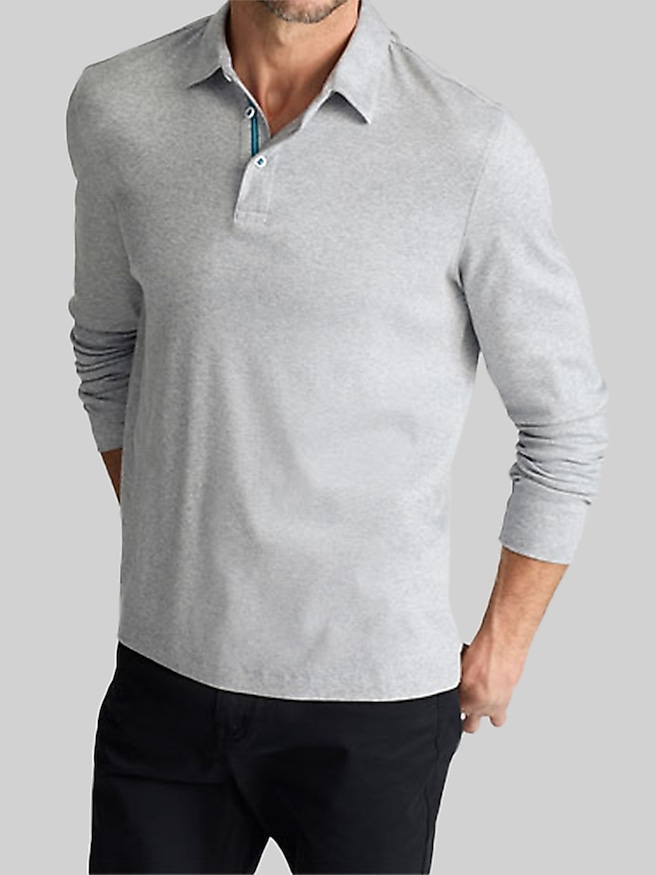
3XL polo shirts bring the familiar shape of a collared shirt to everyday dressing, with room through the chest and body for wearers who need an extended size. The appeal is straightforward: a polo feels less formal than a button-down but looks more finished than a basic T-shirt, making it useful for casual workplaces, family meals, travel days, and time off. A comfortable fit starts with measurements rather than the size label alone. 3XL generally means triple extra large, but it does not correspond to one universal chest measurement; sizing and proportions vary by manufacturer and cut. A size chart may list body measurements or the measurements of the finished garment, so that distinction matters when comparing numbers. Measuring around the fullest part of the chest, with the tape level and comfortably close to the body, provides a useful starting point. Midsection room, shoulder width, and shirt length deserve equal attention. A polo should allow easy movement when reaching forward, sitting down, or lifting an arm without pulling tightly across the back or opening at the placket. Shoulder seams typically sit near the edge of the shoulder, while sleeves should leave enough room around the upper arm to avoid pinching. For untucked wear, the hem should cover the waistband without extending so far that the shirt overwhelms the rest of the outfit. For tucked-in wear, sufficient length helps the hem stay in place through normal movement. Although the labels can look similar, 3XL and 3XLT are not interchangeable: 3XLT usually indicates a tall proportion with additional body length and sometimes longer sleeves. A broader build does not automatically require a tall cut, just as extra height does not always call for more width. Those comparing adjacent sizes can also explore XXL Polo Shirts, using the corresponding measurements rather than assuming that every size step fits the same way. The best proportion leaves room to move while keeping the collar, shoulders, and hem in balance.
Fabric gives a 3XL polo much of its character, influencing everything from surface texture to the way it falls across the torso. Cotton piqué has a small, raised knit pattern that creates the recognizable textured look associated with classic polos. That texture gives the shirt some visual depth, especially in a solid color, and can provide a slightly more structured appearance than a smooth jersey knit. Cotton jersey feels closer to a familiar T-shirt, with a soft surface and an easy drape that works well for relaxed everyday outfits. Neither knit is automatically heavier or lighter; fabric weight and construction also affect how substantial a shirt feels. Cotton-rich blends can combine a familiar hand feel with the shape retention or quicker drying associated with synthetic fibers. Polyester-based performance fabrics often suit active routines, particularly when the fabric is specifically designed to move moisture away from the skin. Moisture-wicking performance should be confirmed in the garment details rather than assumed from fiber content alone. A small amount of stretch can make reaching, driving, and sitting more comfortable, although stretch is not a substitute for adequate room through the chest and waist. Fabric recovery matters, too: a knit that returns to shape after movement is less likely to look stretched out at the elbows or hem. Details such as a neatly finished placket, even stitching, and a collar that lies flat contribute to a polished appearance. Ribbed cuffs create a more defined sleeve opening, while open sleeves can feel less restrictive around a fuller upper arm. Side vents may help the hem move more freely over the hips, particularly when the shirt is worn untucked. For someone who spends hours at a desk and then heads straight to dinner, those small construction choices can matter as much as the color.
A useful polo wardrobe does not need complicated styling. Solid navy, charcoal, black, and muted earth tones pair easily with jeans, chinos, and casual trousers, while stripes or a contrasting collar add detail without requiring much else in the outfit. The relationship between the shirt and pants is worth considering: a relaxed polo often looks more balanced with straight-leg trousers than with an extremely narrow cut. A smooth, cleanly fitted polo can work beneath an unstructured jacket when the setting permits casual tailoring, provided the collar sits neatly and the sleeves do not bunch underneath. For a business-casual workplace, the dress code still determines whether a polo is appropriate. For travel or a day with several stops, a comfortable neckline, unrestricted sleeves, and a hem that stays put make the shirt easier to wear for long stretches. Care habits help preserve those qualities. The sewn-in care label takes priority because cotton, blends, and performance knits can require different treatment. Washing with similar colors, using an appropriate cycle, and avoiding more heat than the label recommends can help limit fading, shrinkage, and loss of shape. Turning a polo inside out reduces friction against the visible surface, while keeping it away from exposed hook-and-loop fasteners helps protect the knit from snags. Fabric softener may interfere with some moisture-management finishes, so performance styles deserve a close look at their care directions. Promptly removing the shirt after washing or drying helps reduce set-in wrinkles; smoothing the placket and collar before folding can keep them looking tidier between wears. Durable construction and sensible care work together, rather than either one guaranteeing a shirt will last indefinitely. A 3XL polo can also make a practical gift for a father, partner, friend, or graduate whose routine calls for comfortable, presentable clothing. Checking the measurements of a polo the recipient already enjoys wearing is more reliable than guessing from appearance, and choosing a familiar fabric and color keeps the gift connected to how that person actually dresses.