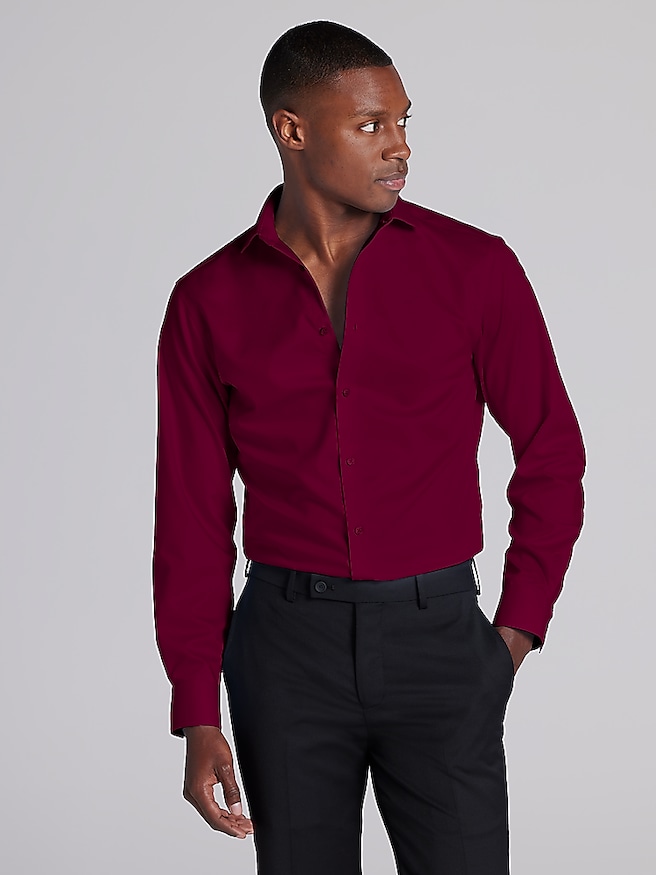
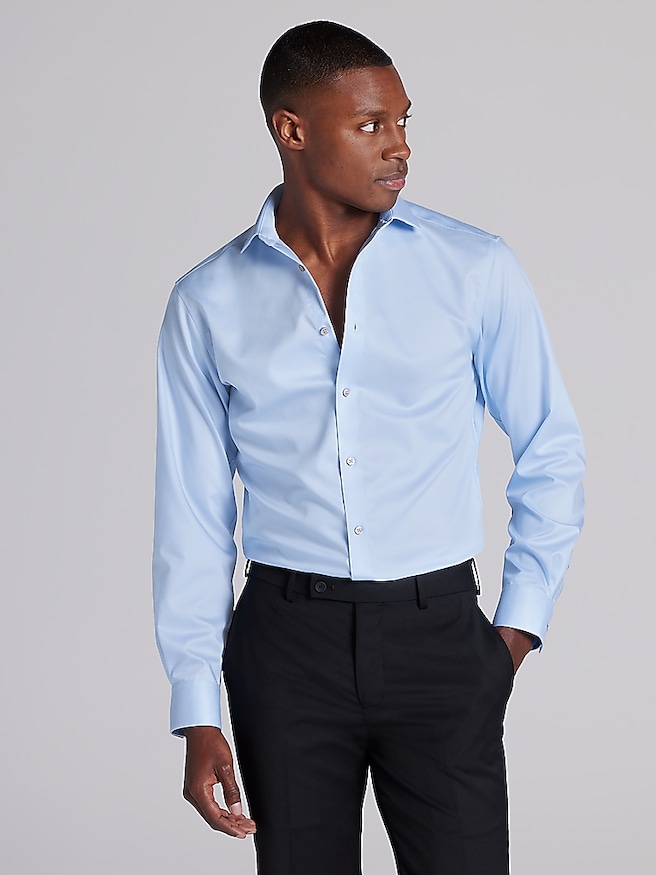
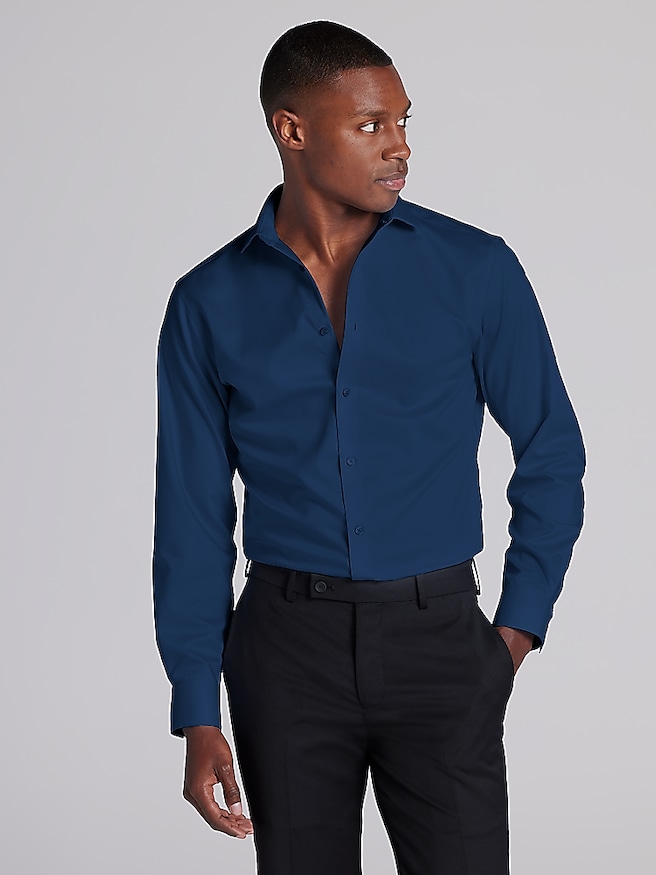
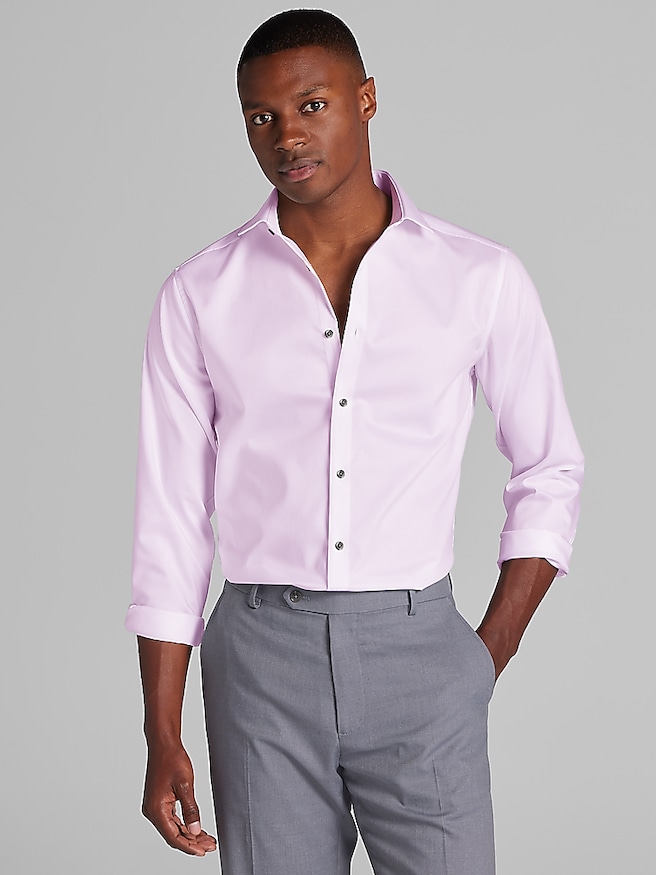
Wrinkle-free stretch dress shirts combine a smooth, polished appearance with fabric that gives as the body moves, making them a practical choice for office hours, business travel, celebrations, and evenings that call for more than a casual shirt. Wrinkle resistance helps limit creasing during wear and after laundering, while stretch adds flexibility across the shoulders, elbows, and torso. The two features serve separate purposes: a shirt can resist wrinkles without stretching, and a stretch fabric does not automatically stay smooth. Together, they can make a noticeable difference during a commute, a seated presentation, or a full day spent moving between appointments. Materials vary, but common constructions include cotton blended with polyester, elastane, or other fibers selected for shape retention and ease of movement. Cotton contributes a familiar feel against the skin, polyester can support wrinkle resistance and faster drying, and elastane adds give and recovery. Some fabrics gain flexibility through their knit or woven construction rather than a high percentage of stretch fiber. The blend alone does not tell the whole story; fabric weight, weave, finishing, and construction also influence how a shirt feels and performs. A smooth, fine weave creates a crisp surface beneath a suit jacket, while subtle texture adds visual depth when the shirt is worn on its own. During the cooler months, a shirt with enough substance can sit comfortably beneath a sweater without feeling bulky at the neckline or cuffs. Breathability, moisture management, and wrinkle resistance are separate characteristics, so none should be assumed from the word “stretch.” For someone who spends mornings behind a desk and afternoons on the move, the appeal is straightforward: a dress shirt that looks composed without feeling rigid. Wrinkle-free also does not mean impervious to every crease; close packing, prolonged sitting, and improper drying can still leave marks, depending on the fabric and finish.
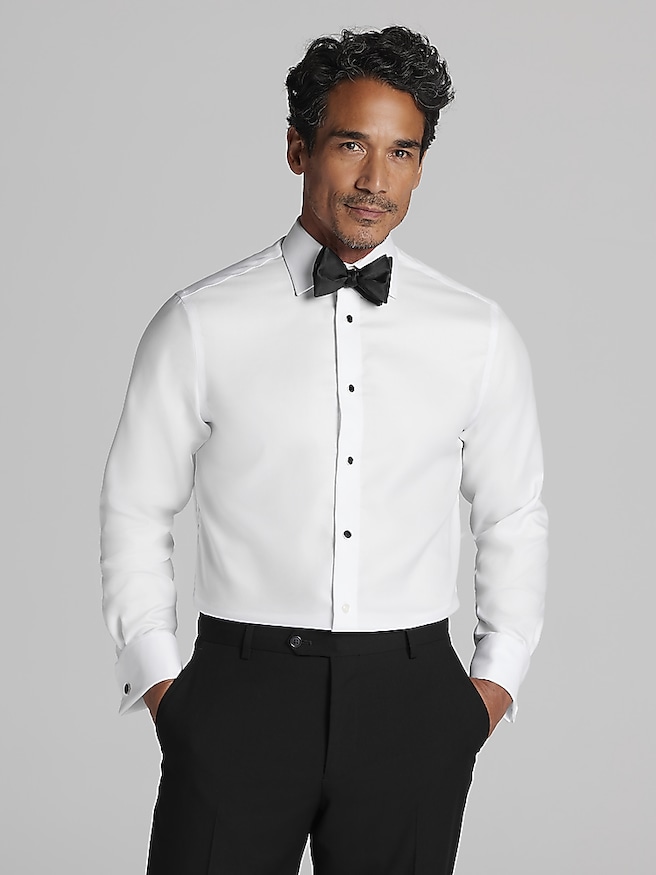
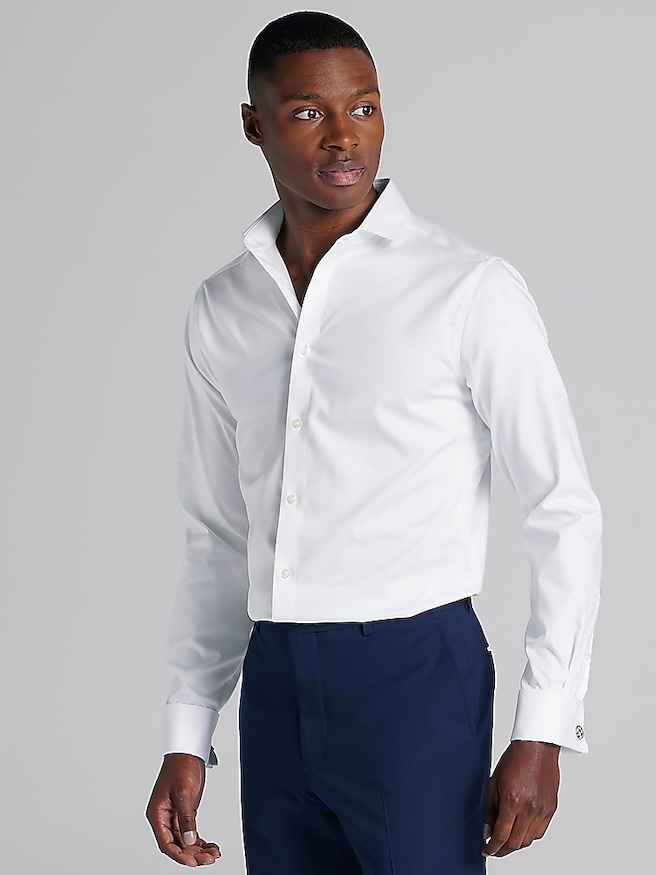
Fit gives wrinkle-free stretch dress shirts their shape, and added flexibility works best when the shirt already fits comfortably at rest. Shoulder seams should sit close to the shoulder edge rather than dropping down the upper arm, and the front placket should lie flat without pulling between buttons. At the collar, there should be enough space for comfortable movement and fastening a tie without a pinched feeling. Sleeves need sufficient length to reach the wrist when the arms extend, particularly for anyone who drives, types, or gestures frequently during the day. A slim fit generally creates a closer line through the chest and waist, while a classic or regular fit typically offers more room through the body. An athletic fit may provide added space across the upper torso with a more shaped waist, though fit names and measurements vary. Stretch can ease everyday motion, but it should not have to compensate for a chest, collar, or sleeve that is too small. Shirt length matters as well: a hem intended for tucking needs enough coverage to stay inside the waistband when reaching overhead or sitting down. Under a fitted jacket, excess fabric can collect at the waist and sleeves; worn alone, an overly tight shirt can show strain even if the material feels flexible. Color and pattern help establish the shirt’s role in a wardrobe. White creates a clean foundation for dark tailoring, light blue adds softness without losing its business-ready character, and restrained stripes or small checks bring interest beneath a solid jacket. A spread collar leaves room for a fuller tie knot, while a point collar creates a narrower frame; the most useful choice also depends on personal proportions and the occasion. With dress pants and polished shoes, these shirts suit presentations, interviews, dinners, and wedding guest attire when the dress code allows. For black-tie occasions, Wrinkle Free Tuxedo Shirts address a more specific formalwear role, where shirt fronts, collars, and cuffs need to coordinate with a tuxedo rather than everyday business clothing.
Care and construction influence how well a wrinkle-free stretch dress shirt holds its appearance over repeated wears. Wrinkle resistance may come from the fiber blend, a fabric treatment, the construction, or a combination of these, and the care label remains the best reference for washing, drying, and touch-ups. Many easy-care shirts are machine washable, but water temperature, dryer settings, and ironing limits vary. Excessive heat can be hard on stretch fibers and may affect finishes, making a hotter cycle an unreliable shortcut to a smoother result. When tumble drying is permitted, removing the shirt promptly and placing it on a hanger can help prevent creases from setting as the fabric cools. Leaving room in the washer and dryer also gives the shirt space to move rather than compressing it into a tightly packed load. A collar or cuff may occasionally need attention even when the body looks smooth; any iron or steamer should be used only as the label allows. For travel, gentle folding and unpacking soon after arrival can help preserve the shirt’s appearance, although no fabric can guarantee a crease-free result after hours under tightly packed shoes and toiletries. Durability involves more than wrinkle resistance. Even stitching, secure buttons, well-finished seams, and a stable collar all contribute to a shirt that stands up to a regular rotation. Cuffs and collar edges receive frequent contact, so careful laundering and attention to stains before they set can help maintain a neat finish. Stretch recovery matters too: fabric should return toward its original shape after movement rather than remain stretched at the elbows or waist. These qualities make the category useful for commuters, frequent travelers, professionals with long schedules, and anyone who prefers a streamlined dressing routine. A wrinkle-free stretch dress shirt can also be a thoughtful gift for a graduate starting a new role or someone building a tailored wardrobe, especially when collar size, sleeve length, and preferred fit are known. Its lasting usefulness comes from balancing comfort, appropriate styling, and manageable care—not simply from a promise of fewer wrinkles.