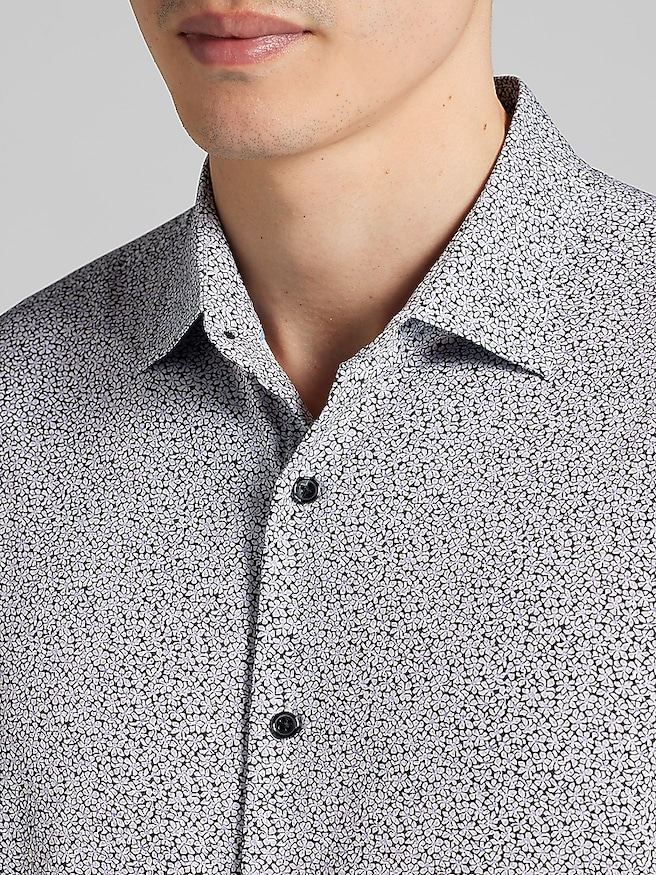
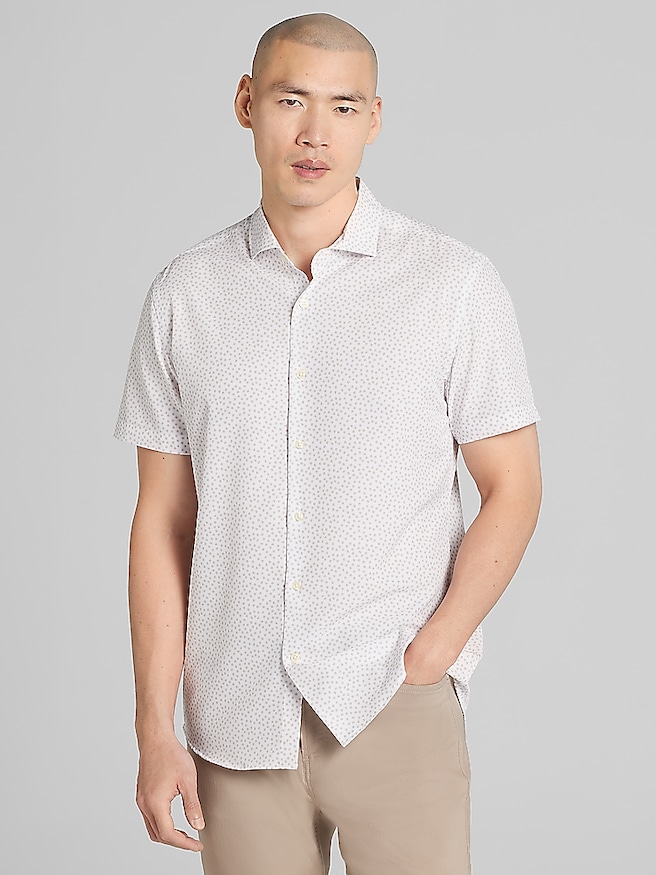
Short-sleeve wrinkle-free dress shirts combine the structure of a button-front shirt with an easy-care finish designed to help fabric look smoother through everyday wear. A defined collar, a straight placket, and neatly finished sleeves give these shirts a polished appearance without the extra fabric of long sleeves. They fit naturally into business-casual offices, customer-facing workplaces, conference schedules, and dinners where a T-shirt feels too informal. The appeal is practical: a shirt that looks pulled together after a commute, time at a desk, or a trip in a suitcase can make getting dressed less complicated. Wrinkle-free does not mean fabric can never crease, and results depend on the material, construction, laundering, and how the shirt is stored. The term generally describes fabric treated or engineered to resist wrinkles and recover a smoother appearance with less pressing. Fit contributes just as much to that clean look. Shoulder seams should sit near the edges of the shoulders, while the chest and back need enough room for reaching toward a keyboard or leaning across a table without pulling the buttons apart. A slim fit typically sits closer through the torso, while a classic or relaxed fit generally allows more space; the actual measurements matter more than the fit name alone. Short sleeves look most balanced when they follow the upper arm without gripping it or flaring noticeably outward. Sleeve length, collar shape, and shirt length also influence the overall effect. A curved hem generally works well tucked into trousers, while a shorter, more level hem can support an untucked look when workplace expectations allow it. For someone moving between a desk, a presentation, and an informal dinner, these details help a short-sleeve dress shirt feel intentional rather than simply convenient. A comfortable collar should sit neatly when the top button is open, and the front should lie flat rather than bow between buttons when seated.
Fabric helps determine how a wrinkle-free short-sleeve dress shirt feels, drapes, and holds its shape. Cotton offers a familiar, soft hand and absorbs moisture, while cotton blends can combine that feel with the shape retention and quicker drying often associated with synthetic fibers. Polyester blends may resist creasing well, though texture and breathability vary with the weave, fabric weight, and finishing process. A small amount of elastane can add stretch for reaching, driving, and other everyday movement, but stretch alone does not make a shirt wrinkle-free. Smooth broadcloth or poplin typically creates a crisp, understated surface; a more visibly textured weave can give the shirt a slightly more casual character. Solid colors make collar shape and fabric finish especially noticeable, while small checks and fine stripes add visual interest without dominating an outfit. Fabric opacity is worth considering with lighter colors, particularly if an undershirt will be worn beneath them. Easy-care performance also depends on following the care label rather than assuming every shirt needs the same treatment. Some fabrics tolerate machine washing and tumble drying, while others call for gentler handling or a particular drying method. Overloading a washer or leaving shirts compressed in a dryer can create creases even in wrinkle-resistant fabric. Prompt removal, a light smoothing of the placket and sleeves, and storage on a suitable hanger can help preserve a tidy appearance. If touch-up pressing is permitted, the recommended iron setting matters because excessive heat can affect certain fibers and finishes. Durability comes from the whole shirt, not only its wrinkle resistance: secure buttons, evenly sewn seams, a stable collar, and cleanly finished hems all contribute to repeated wear. Areas that experience regular friction, including the collar edge and underarms, benefit from care that follows the fabric instructions. A wrinkle-free finish reduces maintenance; it does not replace regular washing, careful stain treatment, or sensible storage.
The most useful short-sleeve wrinkle-free dress shirts work with clothing already in regular rotation. A white or pale blue shirt creates a clear, restrained pairing with charcoal trousers, while a subtle stripe can bring definition to navy chinos without making the outfit feel busy. Darker solids can provide a streamlined look with gray or tan pants, depending on the setting. A tucked shirt, a simple belt, and polished loafers or lace-up shoes usually create a more businesslike impression than an untucked hem and casual footwear. Short sleeves are generally best suited to settings that accept business-casual dressing; traditional formal occasions and more conservative business environments typically call for long sleeves. That distinction makes the intended use important, especially when a shirt needs to move between work and personal plans. Someone who spends much of the day seated may appreciate ease across the back and a hem that stays securely tucked, while someone regularly reaching for shelves or carrying presentation materials may place greater value on shoulder mobility. For travel, wrinkle resistance can reduce the amount of touch-up needed after unpacking, although tight packing and prolonged compression can still leave folds. Hanging a shirt after arrival helps it settle into shape, with any additional treatment guided by its care instructions. For a broader look at easy-care shirting, Men’s Wrinkle Resistant Dress Shirts provides a related category to explore. These shirts can also make thoughtful gifts for someone starting an office job, building a business-casual wardrobe, or simplifying a regular work routine. Knowing the recipient’s usual size, preferred fit, and workplace dress expectations makes the choice more personal and useful. Familiar colors and understated patterns are often easier to coordinate than a bold design chosen without that context. Whether worn for a full workday or a relaxed gathering, a well-fitting short-sleeve dress shirt offers a practical balance of structure, comfort, and manageable care, with the strongest impression coming from fabric that lies smoothly and proportions that suit the wearer.